What Is a Felling Axe: Design, Uses and Patterns
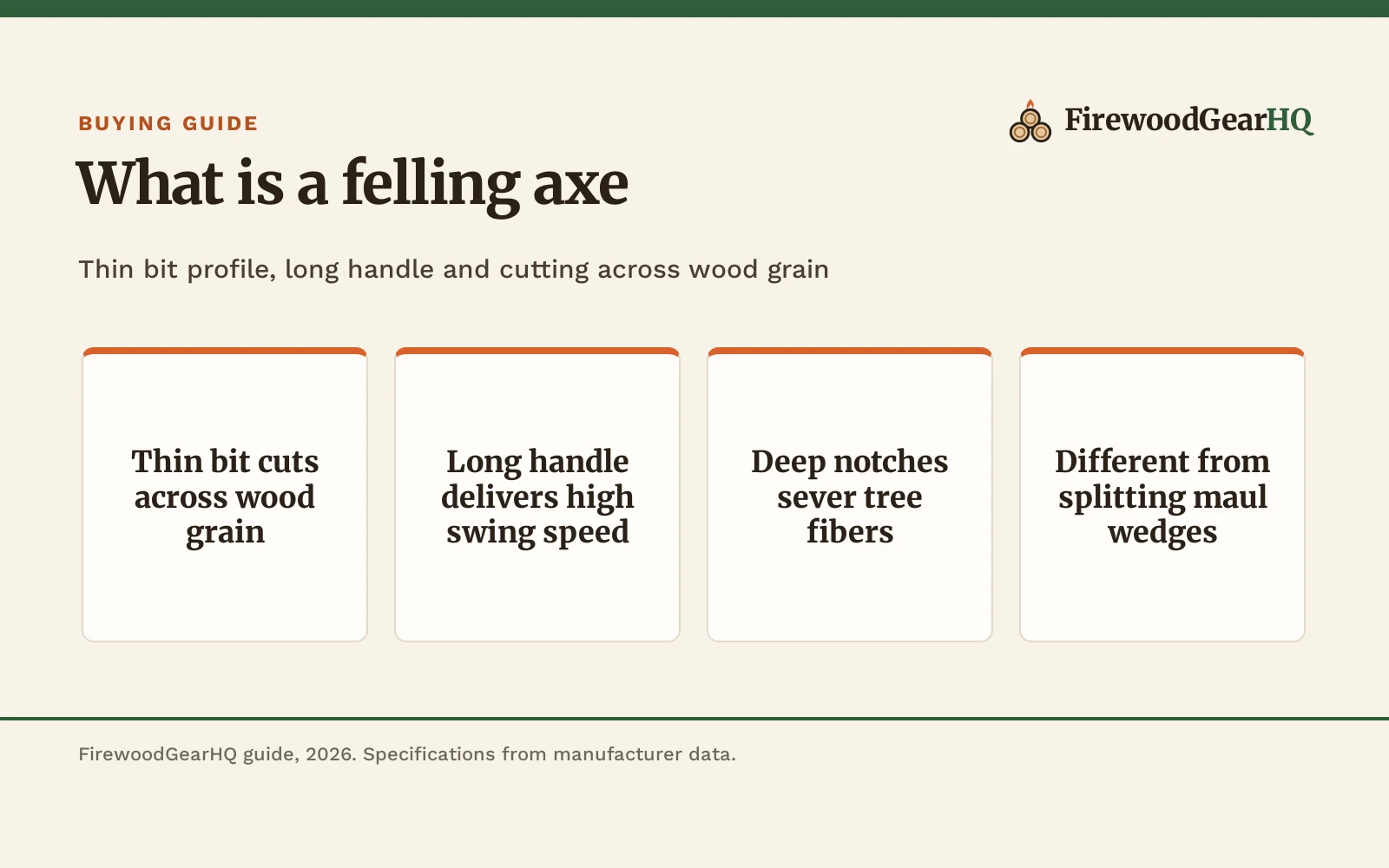
A felling axe is a dedicated chopping tool engineered with a thin, tapered blade and a long handle to sever wood grain cleanly when cutting trees and logs.

On this page
Top picks at a glance
As an Amazon Associate we earn from qualifying purchases.
- 1
 Fiskars 28" Chopping Axe9.7/10View on Amazon
- 2
 Fiskars A-Series Chopping Axe 28"9.7/10View on Amazon
- 3
 1844 Helko Werk Germany Traditional Bavarian Woodworker9.7/10View on Amazon
- 4
 Chopping Axe: 33.5” Hatchet Axe with Shock AbsorbingView on Amazon
- 5
 INTERTOOL 36 Inch Chopping AxeView on Amazon
- 6
 1844 Helko Werk Germany Classic Expedition Felling AxeView on Amazon
- 7
 32.6 Inch Professional Wood Splitting AxeView on Amazon
- 8
 27.8 Inch Professional Wood Splitting AxeView on Amazon
- 9
 Truper Michigan AxeView on Amazon
When fall cutting begins and you head into the woodlot to bring down standing deadwood or buck fallen timber for firewood, understanding what is a felling axe helps you choose the right tool for the cut. A felling axe is a traditional cutting tool engineered to chop across the wood grain rather than wedge it apart. It features a thin, tapered blade profile that bites deep into wood fibers and a long handle that generates high head speed for chopping cuts. Unlike splitting tools that force grain apart, a felling axe severs grain cleanly when clearing timber and managing a woodlot.
More options to compare
 Chopping Axe: 33.5” Hatchet Axe with Shock AbsorbingCheck price on Amazon
 INTERTOOL 36 Inch Chopping AxeCheck price on Amazon
 1844 Helko Werk Germany Classic Expedition Felling AxeCheck price on Amazon
 32.6 Inch Professional Wood Splitting AxeCheck price on Amazon
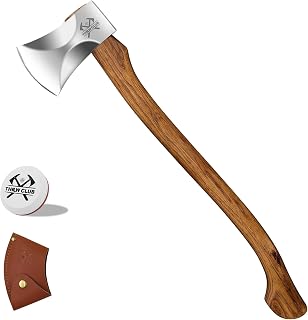 27.8 Inch Professional Wood Splitting AxeCheck price on Amazon
 Truper Michigan AxeCheck price on Amazon
FirewoodGearHQ may earn a small commission if you buy through links on this page. The price you pay stays the same. Read our affiliate disclosure.
The quick answer
A felling axe cuts across the grain of standing trees and fallen timber. Where a splitting axe uses a wide wedge to push wood fibers apart along the grain, a felling axe uses a thin, sharp bit to slice through fibers. Paired with a long handle gripped with hands spaced along the shaft, the head accelerates through the swing arc to deliver clean cutting force. Woodcutters use it alongside a splitting axe or splitting maul, with the felling axe handling cross-grain cuts while splitting tools divide rounds. See our roundup of the best felling axe picks to compare models.
Felling axe specifications and patterns
| Axe model | Head weight | Handle length | Head pattern and steel |
|---|---|---|---|
| Helko Werk Classic Forester | 3.5 lb | 31 in | C50 carbon steel, German drop-forged |
| Helko Werk Hessen Woodworker | 2-3/4 lb | 28 in | C50 carbon steel, Rheinland pattern |
| Council Tool Single Bit Faller’s Axe | 5 lb | 28 in | Tool steel, single bit faller pattern |
| Husqvarna Felling Axe | 2.76 lb | 27 in | Forged steel, Rhine pattern |
| Fiskars X24 Universal Axe | Not stated | 24 in | Forged steel, universal chopping edge |
| ETICSIPA Chopping Axe | 2.5 lb | 33.5 in | High carbon steel, single bit |
Handles under 28 in and lighter heads offer nimble maneuvering in brush, while longer handles and heavier heads provide leverage for heavy woodlot tasks.
What is a felling axe
Every component of a felling axe is designed to bite cleanly into wood fibers across the grain.
Thin, tapered bit for cutting across the grain
Cutting patterns maintain a slender profile behind the edge. Helko Werk uses German C50 carbon steel hardened to 53-56 HRC for its Rheinland and Forester patterns to maintain a sharp edge. Fiskars equips its universal axe with a thin, wide blade edge with a low-friction coating to slice resinous softwood. Council Tool specifies a 25° convex bevel hand-sharpened to Rc 48-55 on a wedge-shaped blade that bridges chopping with wedge splitting.
Long handle for swing speed and leverage
Handle length provides the leverage needed to accelerate the head. Fiskars lists a 24 in handle on its universal axe, Husqvarna uses a 27 in handle, Helko Werk fits a 28 in shaft on its midsize Hessen Woodworker, Council Tool mounts a 28 in straight handle on its 5 lb faller axe, Helko Werk provides a 31 in handle on its Forester, and ETICSIPA lists a 33.5 in handle. Longer shafts deliver greater swing speed for heavy cutting.
Balanced head and poll design
The poll balances the bit through the swing so the edge stays aligned. Some models feature specialized polls. Council Tool designs its single bit faller model with chamfered poll corners for driving HDPE plastic felling wedges without mushrooming the tool. Never strike steel wedges with an axe poll.
Handle materials: American hickory versus synthetic composites
American hickory absorbs heavy impact shock. Council Tool specifies hickory kiln-dried to below 10% moisture content to prevent loosening, while Helko Werk uses grade A American hickory sanded to 150 grit with a boiled linseed oil finish. Husqvarna uses ash wood for lightweight shock absorption. For synthetic options, Fiskars uses an insert-molded composite shaft, while ETICSIPA uses fiberglass with a textured grip to resist moisture.
What does a felling axe do in the woods
A felling axe handles cross-grain chopping tasks across the property. While taking down standing trees carries severe hazards that require certified professional arborists or OSHA logging training, a felling axe excels on the ground. It limbs fallen trunks flush against the bark, bucks small logs to length across the grain, clears trail brush, and chops away dirty root flares that would dull a chainsaw chain.
Felling axe versus splitting axe and maul
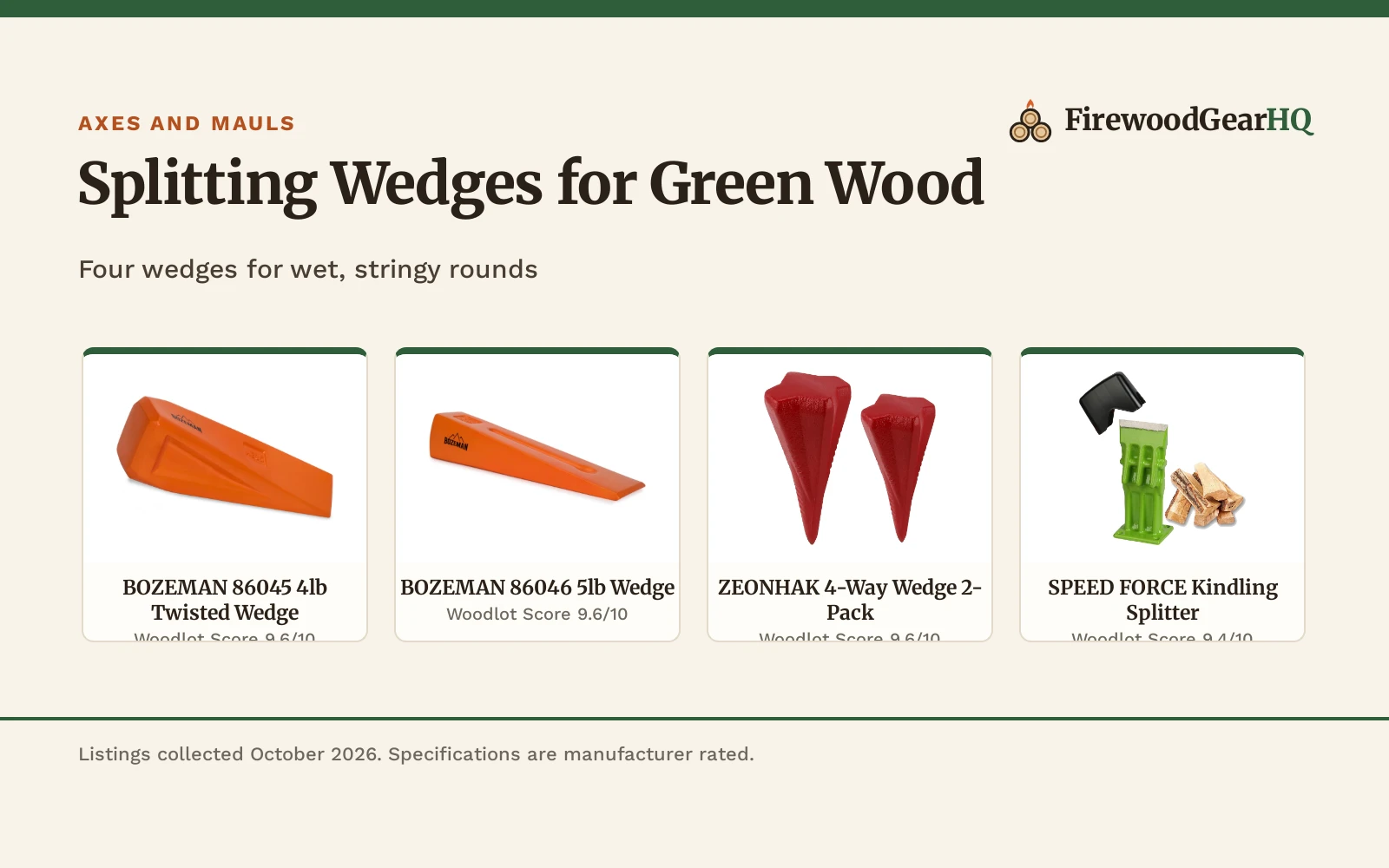
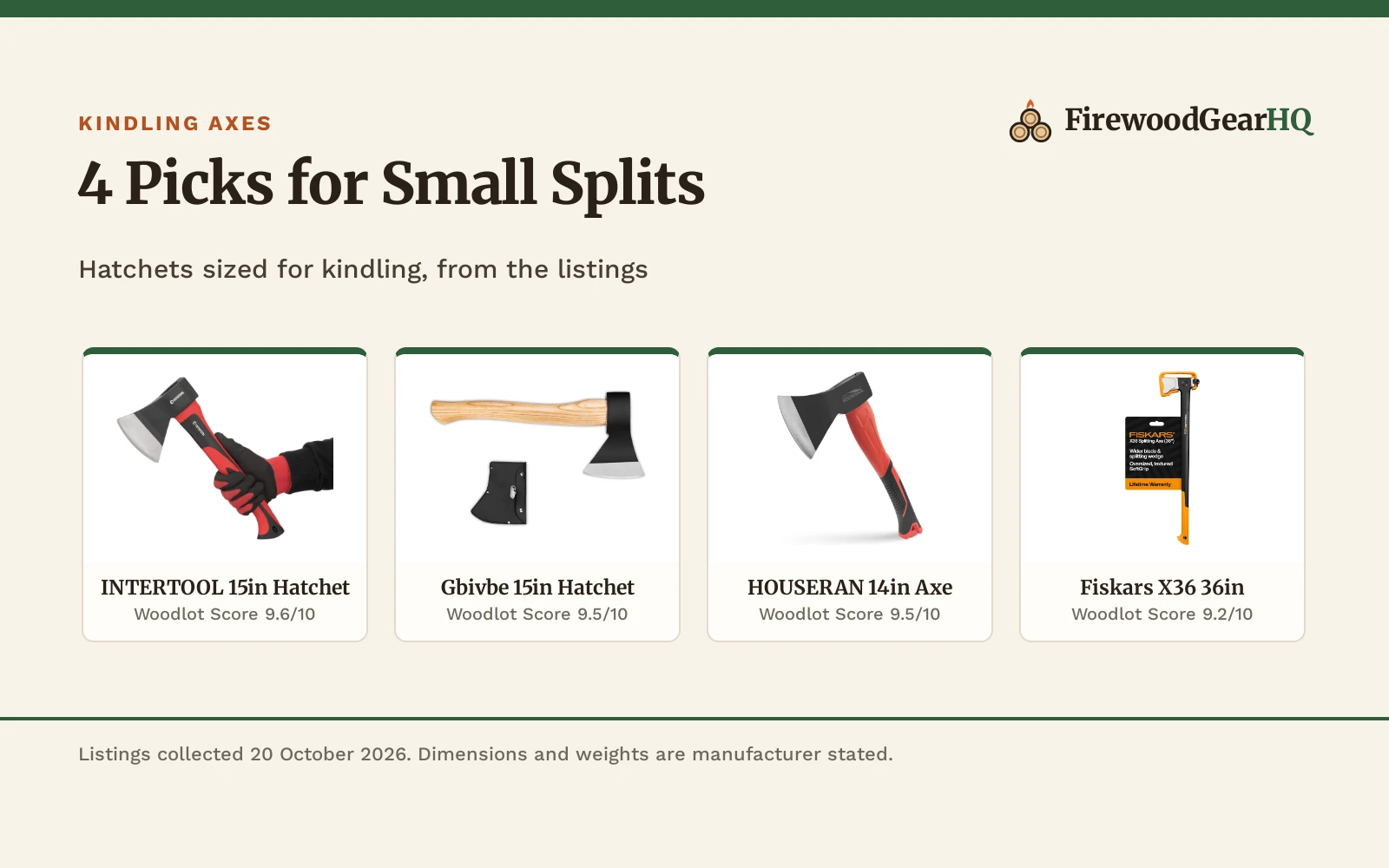
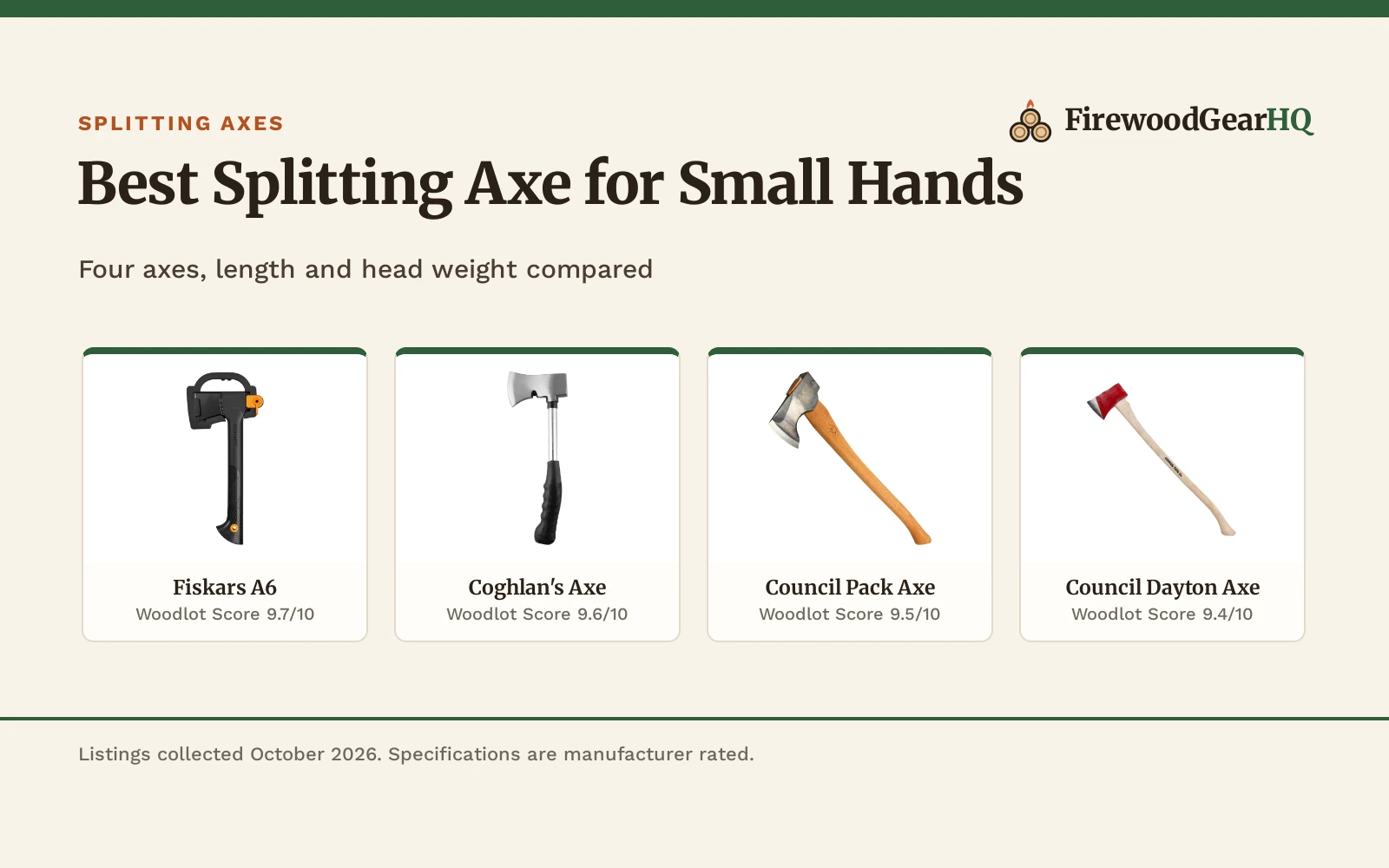
While both belong to the family of axes and mauls, their primary geometries differ. A traditional felling axe has a thin, sharp bit for cross-grain cutting; swinging it into the end grain of a tough round can bind tightly because it lacks splitting cheeks. A dedicated splitting axe or heavy splitting maul has flared cheeks that force fibers apart. While hybrid models like Council Tool’s 5 lb faller axe use a wedge shape to handle both jobs, dedicated tools remain specialized. Read our guide on splitting axe vs maul, see our best splitting maul picks, learn how to split wood with an axe, or explore hatchet vs axe and the best hatchet for splitting wood.
Felling axe safety and swing technique
Felling standing timber involves hazardous tree stresses; property owners should consult certified professional arborists or OSHA logging safety guidelines. When chopping limbs or bucking fallen logs on the ground, maintaining a clear swing zone is the core safety requirement. Clear away overhead branches, vines, and brush before swinging, and verify firm footing. Stand on the opposite side of a fallen trunk when limbing so the wood shields your legs. Wear safety glasses, work boots, and gloves, and use protective chainsaw chaps if cutting alongside a saw.
Axe care and blade maintenance
A sharp edge penetrates cleanly and prevents glance-offs. Sharpen the bevel regularly with an axe file or stone from our guide to the best axe sharpener. Protect the edge during storage. Helko Werk includes a leather sheath and a 1 oz bottle of protective oil, while Husqvarna and Fiskars supply blade covers. Keep steel lightly oiled to prevent rust.
Clear the swing area (overhead too), split on a solid chopping block at a comfortable height, keep your feet apart with the block in front of you, and wear eye protection and sturdy boots. Replace a cracked or loose handle before you swing again. Read our Safety Disclaimer.
Frequently Asked Questions
What is a felling axe used for?
A felling axe is used for cross-grain chopping tasks: limbing branches from downed trunks, bucking small logs across the grain, clearing brush, and cutting dirty root flares. Dropping standing timber involves serious hazards best handled by certified pros.
What does a felling axe do that a splitting axe cannot?
Its slender bit slices deeply across wood fibers. A blunt splitting wedge bounces off or crushes fibers when swung across grain without cutting cleanly.
Can you split firewood with a felling axe?
Thin felling bits tend to bind in large rounds. However, hybrid tools like Council Tool’s 5 lb faller axe use a wedge-shaped blade for splitting alongside a wedge-driving poll, and Helko Werk rates its 3.5 lb Classic Forester for cutting and splitting. Difficult rounds are still best split with a dedicated splitting maul or a unit from our best log splitter for home use guide.
Why choose a felling axe over a chainsaw?
An axe needs no fuel, oil, or batteries, starts instantly in any weather, and runs silently. It is easy to pack into remote woods where carrying power tools is impractical.
What is the best felling axe head weight for general woodlot cutting?
For cross-grain chopping and limbing, heads between 2.5 lb and 3.5 lb, such as the 2.5 lb ETICSIPA, 2.76 lb Husqvarna, or 3.5 lb Helko Werk Forester, offer balanced swing speed and control. Heavy 5 lb heads, like the Council Tool faller axe, serve for splitting and driving wedges.
Is a felling axe good for beginners?
A felling axe requires swing control because thin bits can glance if struck at an improper angle. Beginners should start with moderate handle lengths and practice on stable logs. See our best axe for beginners guide.
Related guides
See our axes and mauls hub, the best felling axe comparison, and the best splitting axe roundup. For heavy woodpile splitting, explore the best splitting maul. Understand tool differences in splitting axe vs maul, maul vs axe, and hatchet vs axe. Keep your cutting tools sharp with the best axe sharpener. Also see our best axe for beginners. Also see our how to split wood with an axe. Also see our best hatchet for kindling. Also see our best hatchet for splitting wood. Also see our hatchet with cover. Also see our best splitting wedge. Also see our best log splitter axe. Also see our how heavy should a splitting maul be. Also see our what is a splitting maul. Also see our best chainsaw for firewood. Also see our best chainsaw sharpener. Also see our best chainsaw chaps. Also see our chainsaw safety gear checklist. Also see our best cant hook. Also see our how to use a cant hook. Also see our best log tongs. Also see our best log lifter. Also see our best log splitter for home use. Also see our best kindling splitter.