Wood Stove Pipe Installation Through Wall: A Step-by-Step Guide
How to run wood stove pipe through a wall with a listed thimble, from matching the thimble to the pipe to framing, fitting and sealing the opening.

On this page
Top picks at a glance
As an Amazon Associate I earn from qualifying purchases.
- 1
 3' X 8' Grill Heat Shield for Deck Railing9.3/10View on Amazon
- 2
 Aluminum Heat Shield Board9.4/10View on Amazon
- 3
 Mineye Wall Thimble for 6 Inch Double Wall Chimney PipeView on Amazon
- 4
 Yaocom 1 Pcs 8" Single Wall Stove Pipe 18" to 30" TelescopingView on Amazon
- 5
 Yaocom 1 Pcs 6" Single Wall Stove Pipe 18" to 30" TelescopingView on Amazon
- 6
 4 in Pellet Stove Wall ThimbleView on Amazon
- 7Yaocom 1 Pcs 8" Single Wall Stove Pipe 38" to 70" TelescopingView on Amazon
- 8
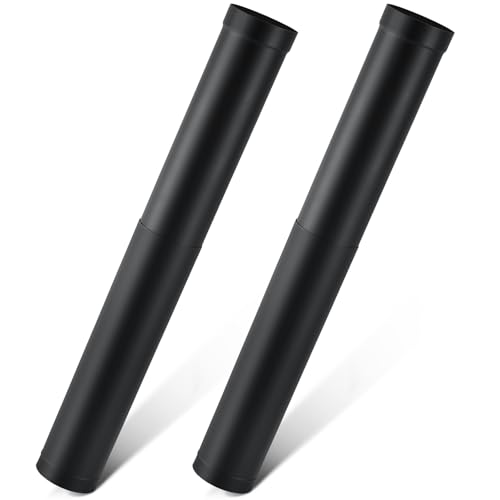 Yaocom 2 Pcs 8" Single Wall Stove Pipe 38" to 70" TelescopingView on Amazon
The stove sits against the wall, the wood is stacked by the door, and the cold season is coming on, but the flue still has to find its way outside. When the stove stands on an inside wall with no chimney above it, the pipe has to cross the wall itself. Wood stove pipe installation through wall is the job of passing the flue horizontally through an exterior wall inside a listed wall thimble, then turning the pipe up the outside of the house.
More options to weigh up
 Mineye Wall Thimble for 6 Inch Double Wall Chimney PipeCheck price on Amazon
 Yaocom 1 Pcs 8" Single Wall Stove Pipe 18" to 30" TelescopingCheck price on Amazon
 Yaocom 1 Pcs 6" Single Wall Stove Pipe 18" to 30" TelescopingCheck price on Amazon
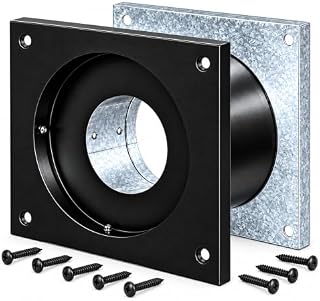 4 in Pellet Stove Wall ThimbleCheck price on Amazon
- Yaocom 1 Pcs 8" Single Wall Stove Pipe 38" to 70" TelescopingCheck price on Amazon
 Yaocom 2 Pcs 8" Single Wall Stove Pipe 38" to 70" TelescopingCheck price on Amazon
FirewoodGearHQ earns a small commission if you buy through links on this page. The price you pay stays the same. Read our affiliate disclosure.
Wood stove pipe installation through wall: the quick answer
Plan the route from the stove to the outside wall, choose a wall thimble that matches the pipe diameter, frame the opening to the maker size, fit the thimble through the wall, connect the stove pipe, and seal the joints. The telescoping models covered here span 4.6 to 9.2 inches, 4.7 to 9.1 inches, 4-3/4 to 7-3/4 inches, 6 to 11 inches and 6-3/8 to 11-5/8 inches, so measure the wall before ordering. Check the maker instructions and local code before cutting, and bring in a certified installer if the job is outside your experience.
What a wall thimble does
A wall thimble is a metal sleeve that lines the hole where the flue passes through the wall. It holds the pipe centered in the opening, keeps heat away from studs and sheathing, and gives the wall a finished edge on each side.
The Selkirk 8T-IWT insulated wall thimble uses a round shield as a radiation shield and provides the 2-inch air space clearance to combustibles that the listing states. The Mineye wall thimble (on Amazon) for 6 inch double-wall chimney pipe has an 8 inch casing hole with a 1-inch insulating gap. The PAZLAM vent wall thimble (on Amazon) includes a high-temperature gasket that seals the joint, and its outer flange gives a weather-resistant seal on the outside wall. The DuraVent DuraPlus 8 inch wall thimble includes a black interior trim ring to finish the indoor opening.
| Thimble | Pipe it fits | Telescoping length |
|---|---|---|
| PAZLAM vent wall thimble | 4 to 6 inch vent pipes | 4.7 to 9.1 inches |
| DuraVent DuraPlus wall thimble | 8 inch Class A chimney pipe | 4-3/4 to 7-3/4 inches |
| Selkirk 8T-IWT insulated wall thimble | 8 inch insulated chimney pipe | 6 to 11 inches |
| Mineye wall thimble | 6 inch double-wall chimney pipe | 4.6 to 9.2 inches |
| LEIFIDE wall thimble | 6 inch double-wall chimney pipe | 6-3/8 to 11-5/8 inches |
Match the thimble to the pipe first, then check the maker’s stated wall-depth range against the wall. The AllFuel HST wall thimble (on Amazon) fits 6 inch diameter AllFuel HST Class-A double-wall chimney pipe and, the listing states, cannot be connected to other brands of Class-A chimney pipe. The DuraVent pellet vent wall thimble fits 4 inch double-wall pellet vent, and its installed length runs 1-1/2 inches less than the listed length.
The steps, in order
Plan the route and check the rules
Start at the stove flue collar and trace the run to the outside wall, keeping the horizontal section as short and as straight as the layout allows. Read the stove and thimble maker instructions and check local code. If any part of the job is outside your experience, a certified installer is the right call.
Match the thimble to the pipe
Pipe diameter sets the thimble. A 6 inch double-wall chimney pipe takes a thimble made for 6 inch double-wall pipe, such as the Mineye or LEIFIDE models, while 8 inch Class A chimney pipe takes an 8 inch thimble, such as the DuraVent DuraPlus or Selkirk 8T-IWT. The DuraVent pellet vent thimble fits 4 inch double-wall pellet vent. The AllFuel HST thimble is certified to UL103HT, and the Shasta Vent wall thimble (on Amazon) is listed to UL 103. The PAZLAM thimble is 1mm thick 304 stainless steel, and the AllFuel HST end plates are 430 stainless steel.
Frame the opening
Cut and frame the wall opening to the size the thimble maker lists. The DuraVent DuraPlus 8 inch wall thimble fits between standard wall studs and needs a clean 14-1/2 by 14-1/2 inch framed opening. Keep the opening square and the framing solid. The Selkirk 8T-IWT listing states its round shield provides the 2-inch air space clearance to combustibles, so frame the opening to the size the maker lists and let the thimble hold that clearance.
Fit the thimble
The telescoping thimbles slide together or apart until the sleeve spans the wall depth; fasten each side to the framing as the maker instructions show. The PAZLAM thimble telescopes from 4.7 to 9.1 inches and, the listing states, fits wood, brick and insulated walls. The Mineye telescopes from 4.6 to 9.2 inches and the LEIFIDE from 6-3/8 to 11-5/8 inches. Set the high-temperature gasket where the listing shows it, and fit the interior trim ring if the thimble includes one.
Connect the pipe and seal the joints
Run single-wall stove pipe from the stove to the thimble, then insulated chimney pipe from the thimble up the outside wall. The LEIFIDE sleeve has an actual diameter of 8-1/8 inches, which gives a clean passage for 6 inch double-wall insulated chimney pipe. Join the sections following the maker instructions, seal the joints with stove pipe sealant, and check each joint is seated.
Finish the outside and check the run
Outside, the chimney pipe turns up and runs vertically, with a chimney cap on top and the exterior flange sealed against the weather. The PAZLAM outer flange gives a weather-resistant seal and a clean exterior finish. Before lighting the stove, check that smoke and carbon monoxide alarms are in place and that the pipe is clear. Regular chimney inspection is part of stove ownership.
Mistakes that cause trouble
The common mistakes are all avoidable. Running single-wall stove pipe bare through a wall leaves hot metal against framing, so always pass the wall inside a listed thimble. Ordering a thimble by the outside of the pipe instead of the pipe size leads to a sleeve that will not fit. Sealing the joints with the wrong material leaves gaps that leak smoke, so use stove pipe sealant made for the job. Skipping the maker instructions or local code leaves the install open to a failed inspection, so read both before cutting.
FAQ: wood, fire and gear
Can stove pipe go straight through a wall?
Stove pipe passes through a wall inside a listed wall thimble, not bare against the framing. The thimble lines the opening and holds the clearance the maker lists, and insulated chimney pipe runs from the thimble up the outside wall.
What is a wall thimble?
A wall thimble is a telescoping metal sleeve that lines the opening where a flue passes through a wall. It centers the pipe, shields the wall from heat, and finishes the opening on each side. Thimbles come sized to the pipe, from 4 inch pellet vent to 8 inch Class A chimney pipe, and the telescoping models adjust to fit the wall depth.
What size wall thimble do I need?
Match the thimble to the pipe diameter and the wall depth. A 6 inch double-wall chimney pipe takes the Mineye, which telescopes from 4.6 to 9.2 inches, or the LEIFIDE, which telescopes from 6-3/8 to 11-5/8 inches. An 8 inch Class A chimney pipe takes the DuraVent DuraPlus, which telescopes from 4-3/4 to 7-3/4 inches, or the Selkirk 8T-IWT, which telescopes from 6 to 11 inches.
Can single-wall stove pipe go through a wall?
Single-wall stove pipe runs from the stove to the thimble, and insulated chimney pipe takes over from the thimble to the outside. The thimble is the part that crosses the wall, and the pipe types change at the thimble, not inside it.
Does the pipe need to rise above the roof?
Yes, the chimney pipe turns up at the outside wall and runs vertically past the roofline so the flue draws. The exact height follows local code and the chimney maker instructions, so check both before fixing the pipe in place.
Do I need a permit for a through-wall stove pipe?
That depends on local code, so check with the local code office before cutting the wall. Some areas ask for a permit or an inspection for a new flue penetration.
More firewood guides
See the best wall thimble for a pellet stove guide, and compare pipe types in single wall vs double wall stove pipe and best single wall chimney pipe. For the pipe itself, see best stove pipe for a wood stove, best stove pipe for a cabin, wood stove pipe parts and wood burning stove chimney parts. For fitting and sealing, see how to snap stove pipe together, best stove pipe sealant, best stove pipe cap and best stove pipe crimper. For the wall around the stove, see the best wood burning stove wall heat shield guide.