Maul Axe Types: Head Shapes, Weights and Uses
A practical breakdown of maul axe types, head geometries, weights, and handle materials to help you split firewood rounds cleanly and safely.

On this page
Top picks at a glance
As an Amazon Associate we earn from qualifying purchases.
- 1
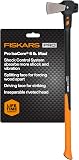 Fiskars Pro IsoCore 6 lb Splitting Maul9.7/10View on Amazon
- 2
 Fiskars Pro IsoCore 8 lb Splitting Maul9.7/10View on Amazon
- 3
 Edward Tools Wood Splitting Maul 17”9.7/10View on Amazon
When autumn arrives and bucked logs sit by the woodpile, choosing the right tool makes the difference between clean splits and wasted effort. The primary maul axe types are traditional splitting mauls, modern splitting axes, sledge mauls with striking polls, and compact short-handled mauls. Each design balances head geometry, weight, and leverage differently for straight-grained logs, knotted rounds, or hearth splits.
FirewoodGearHQ may earn a small commission if you buy through links on this page. The price you pay stays the same. Read our affiliate disclosure.
The quick answer
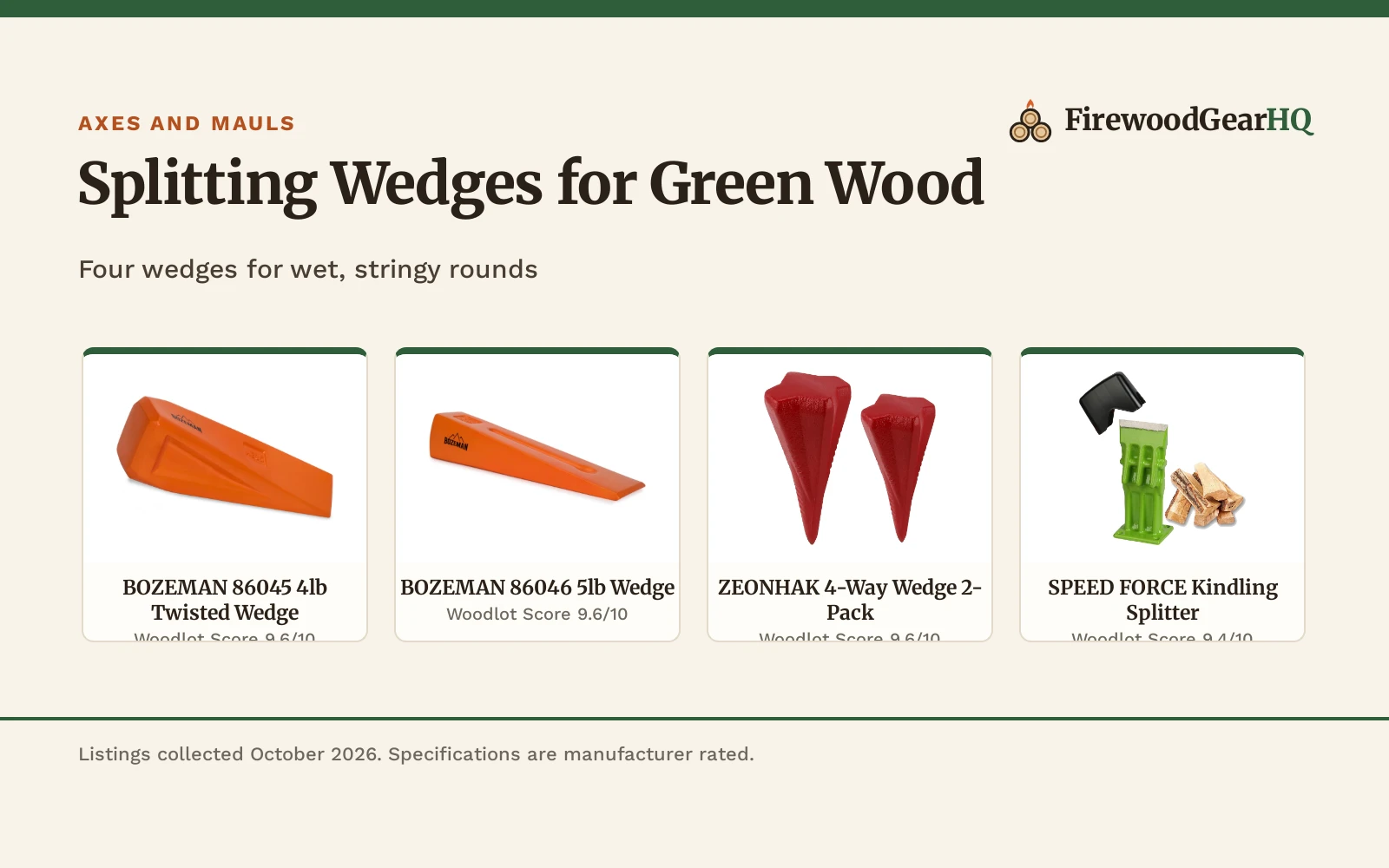
Traditional splitting mauls use heavy wedge heads to blast knotted rounds apart through downward momentum. Modern splitting axes combine sharp bits with flared cheeks that burst straight-grained wood open through swing speed. Sledge mauls feature flat striking polls engineered to drive steel splitting wedges into oversized rounds, while compact tools handle kindling. Browse our axes and mauls hub or see our best splitting maul and best splitting axe guides.
Maul axe types explained
Maul axe types differ in head shape, eye design, poll construction, and balance:
Traditional splitting mauls
A traditional splitting maul pairs a blunt wedge head with a long handle for downward crushing force. It enters parallel to the grain, using wide shoulders to force wood apart laterally. Truper lists a 6-pound head on a 34-inch hickory handle with 7.5 pounds total weight, DWFKHT lists a 6.6 lb head forged from 1065 high carbon steel on a 35.3-inch hickory handle, and Performance Tool lists an 8 lb head on a 33-1/2 inch handle with 10 pounds total weight. These tools bust large, knotty rounds that bounce lighter axes.
Modern splitting axes
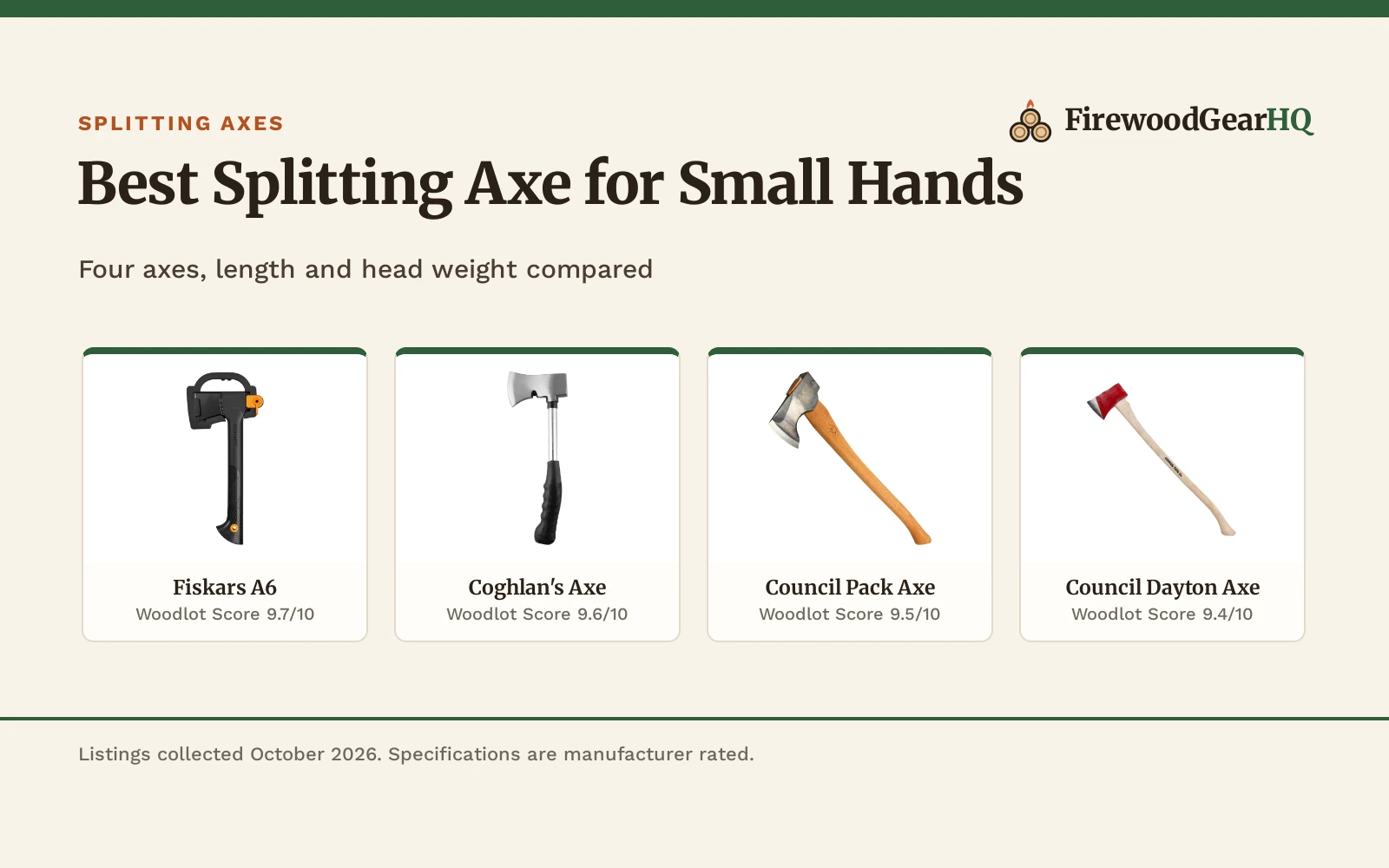
Modern splitting axes combine a sharp cutting bit with convex flared cheeks that push wood fibers apart before the blade binds. The lighter head allows higher swing speed, converting velocity into splitting power. KSEIBI lists a 4.5 pounds head on a 36-inch fiberglass handle with 5 pounds total weight and an 8 inches blade length, glorousamc lists a 2 kg (6.8 lb) wedge head on a 36-inch handle with a 3.5 inches blade length, and Fiskars lists a 32-inch splitting axe for logs over 30 cm (11.75 in) diameter with a FiberComp shaft.
Sledge mauls with striking polls
Standard splitting axes have rounded polls not designed to drive metal tools. Sledge mauls incorporate a flat striking poll opposite the splitting bit. Rather than carrying both an axe and a sledgehammer, the woodcutter has a tool that splits logs and drives wedges. MichaelPro lists an 11 pounds wood splitting maul on a 36-inch fiberglass handle with a flat poll for driving wedges and stakes. When encountering stubborn rounds, the flat poll lets you drive a splitting wedge directly into the grain.
Collar-reinforced European splitting axes
European-style splitting axes feature an elongated wedge blade with a protective steel safety collar below the axe eye to prevent overstrike damage. Kings County Tools lists a German-made tool featuring a 31-inch European ash wood handle with a red steel safety collar, a 4.3 pounds head, 5.37 lbs overall weight, an 8.6-inch-long head, and a 5.5-inch-long blade. The collar protects the wood handle from impact shock and abrasion.
Compact one-piece splitting mauls
Compact splitting mauls use shorter handles and solid metal builds for processing kindling and small firewood rounds. Estwing lists a 16-inch splitting maul forged in one piece of steel with 4.5 pounds weight, manufactured in Rockford, IL since 1923, featuring a molded shock reduction grip that reduces impact vibration by 70%. The forged steel design eliminates head separation around the hearth.
Maul axe types comparison table
| Tool category | Head profile | Stated listing weight | Handle build | Primary woodpile task |
|---|---|---|---|---|
| Traditional splitting maul | Blunt wedge | Truper lists 6-pound (7.5 pounds total); Performance Tool lists 8 lb (10 pounds total); DWFKHT lists 6.6 lb | Hickory or fiberglass (Performance Tool 33-1/2 inch; Truper 34-inch; DWFKHT 35.3-inch) | Splitting medium to large firewood rounds |
| Modern splitting axe | Flared cheeks | KSEIBI lists 4.5 pounds (5 pounds total); glorousamc lists 2 kg (6.8 lb) | Fiberglass or composite (Fiskars 32-inch; KSEIBI 36-inch) | High-velocity splitting in straight-grained wood |
| Heavy sledge maul | Flat striking poll | MichaelPro lists 11 pounds | 36-inch fiberglass handle | Driving wedges and breaking stubborn logs |
| Collar-reinforced forest maul | Wedge with collar | Kings County Tools lists 4.3 pounds (5.37 lbs total) | 31-inch European ash wood handle | Splitting and chopping with handle protection |
| Compact splitting maul | Contoured wedge | Estwing lists 4.5 pounds | 16-inch steel with shock reduction grip | Hearth-side splitting and kindling prep |
Head shapes and splitting dynamics
A felling axe carries a slender blade designed to cut across wood fibers; swung into the end grain, it pinches without splitting. Splitting mauls use an obtuse wedge angle that exerts lateral pressure against the grain, popping the log apart along its growth rings. Modern splitting axes refine this by keeping the leading edge sharp while flaring the shoulders outward behind the bit. Dedicated sledge mauls feature flat polls built to drive splitting wedges into difficult rounds without damaging the eye.
Handle materials and swing leverage
Handle materials balance velocity, durability, and vibration damping:
- Hickory and ash wood: Natural wood flex absorbs shock before it reaches your joints. Truper lists a 34-inch hickory handle, DWFKHT lists a 35.3-inch hickory handle, and Kings County Tools lists a 31-inch ash handle.
- Fiberglass and composite: Weather-resistant materials resist moisture and decay. Performance Tool lists a 33-1/2 inch fiberglass handle, glorousamc lists a 36-inch fiberglass handle, and Fiskars lists a FiberComp shaft.
- Solid forged steel: One-piece steel construction prevents head separation. Estwing lists a 16-inch tool with a shock reduction grip reducing vibration by 70%.
How to choose among maul axe types
Match your tool to log diameter and grain structure:
- Straight-grained firewood: Choose a lighter modern splitting axe for rapid splitting with minimal fatigue.
- Large, knotted rounds: Choose a traditional 6-pound or 8 lb splitting maul to drive through interlocked grain.
- Gnarly hardwood crotches: Use a heavy sledge maul and steel wedges to quarter stubborn logs safely.
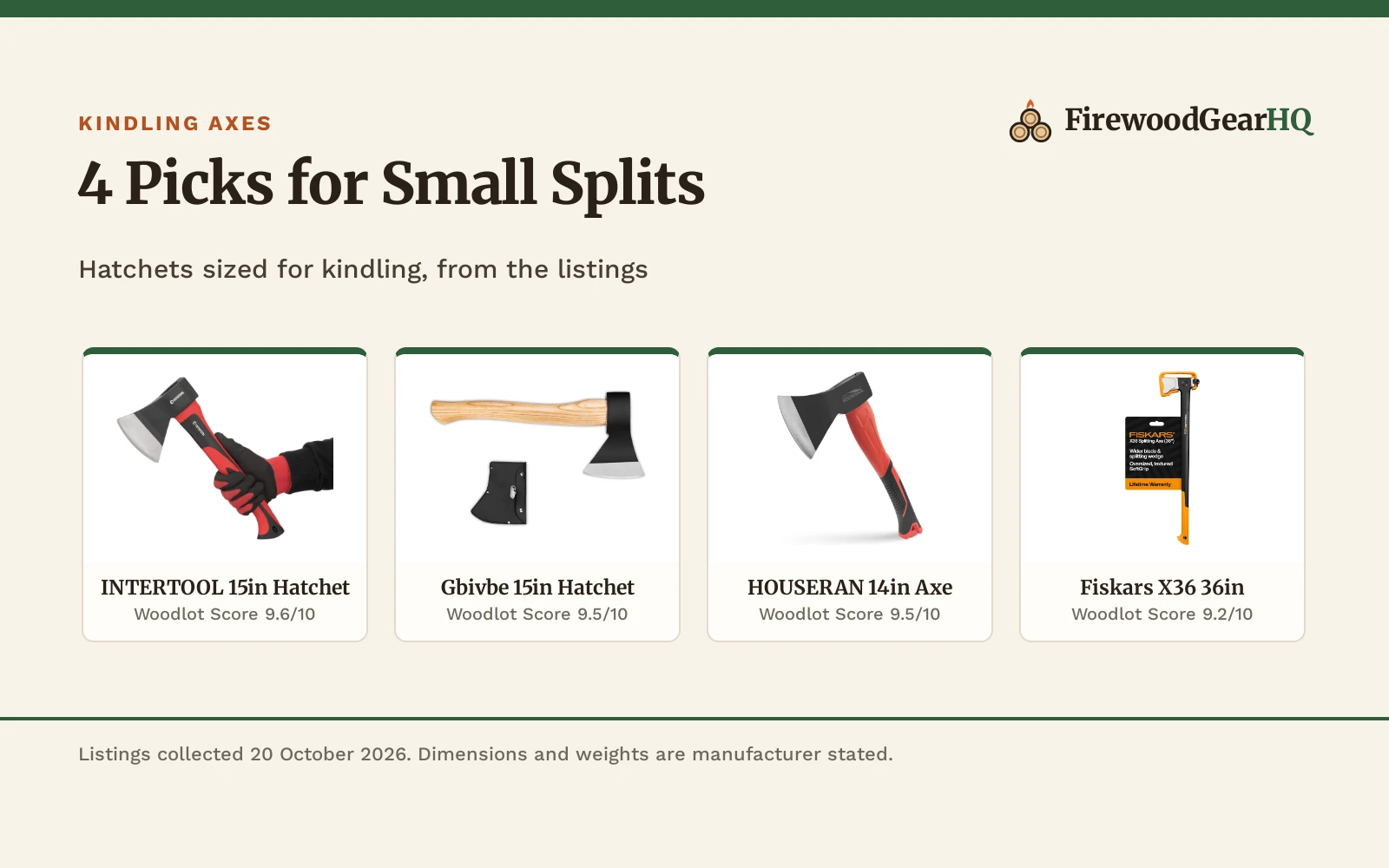
- Campfire wood and kindling: Use a compact 16-inch splitting maul for controlled processing on a chopping block.
Maintain a clear swing zone around the block, clear away loose chips, wear safety glasses and boots, and check head security before swinging.
Clear the swing area (overhead too), split on a solid chopping block at a comfortable height, keep your feet apart with the block in front of you, and wear eye protection and sturdy boots. Replace a cracked or loose handle before you swing again. Read our Safety Disclaimer.
Frequently Asked Questions
What is the main difference between a splitting maul and a splitting axe?
A splitting maul features a heavier, blunt wedge head that bursts logs through downward mass. A splitting axe uses a lighter head with flared cheeks, relying on swing speed to split straight-grained rounds with less fatigue. See our splitting axe vs maul guide.
What weight maul should I choose for splitting firewood?
Most woodcutters split efficiently with a head weight between 6 and 8 pounds. Truper lists a 6-pound maul for balanced speed, while Performance Tool lists an 8 lb head for heavy rounds. See our guide on how heavy should a splitting maul be.
Can you hit the back of a splitting maul with a sledgehammer?
No. Striking the poll with a steel sledgehammer can chip metal and deform the eye. Even on sledge mauls like MichaelPro’s 11 pounds tool, the poll drives wedges rather than taking hammer strikes. If a maul sticks, drive a separate steel splitting wedge beside it.
Is a fiberglass handle better than a wood handle on a splitting maul?
Fiberglass resists weather and overstrikes for outdoor storage. Hickory and ash wood provide natural shock absorption, reducing joint fatigue during long splitting sessions.
Do splitting mauls need to be razor sharp?
No. Splitting mauls rely on wedge geometry and downward momentum to force fibers apart. A slightly blunt edge resists chipping against bark and prevents sticking.
When should you use a splitting wedge instead of a maul?
When a log round is too large or knotted to split by swinging, drive a steel wedge into drying checks with a sledge maul. Read our walkthrough on how to use a splitting wedge.
Related guides
Explore our complete axes and mauls guide hub, see top-rated tools in our best splitting mauls roundup, and compare precision options in our best splitting axes guide. For dedicated comparisons, read our guide on splitting axe vs maul and maul vs axe. If you are sizing your tools, consult our guide on how heavy should a splitting maul be and learn basic definitions in what is a splitting maul. When tackling tough rounds, see our picks for the best splitting maul for large logs, find extra leverage with the best splitting wedge, and review technique in how to use a splitting wedge. Learn proper technique in how to split wood with an axe, compare mechanical power in log splitter vs splitting maul, or find hydraulic machines in the best log splitter for home use. For hearth kindling, see the best hatchet for splitting wood. Keep your edges tuned with the best axe sharpener and our guide on how to sharpen a splitting axe.