Pine vs Spruce Firewood: Which One Should You Buy?
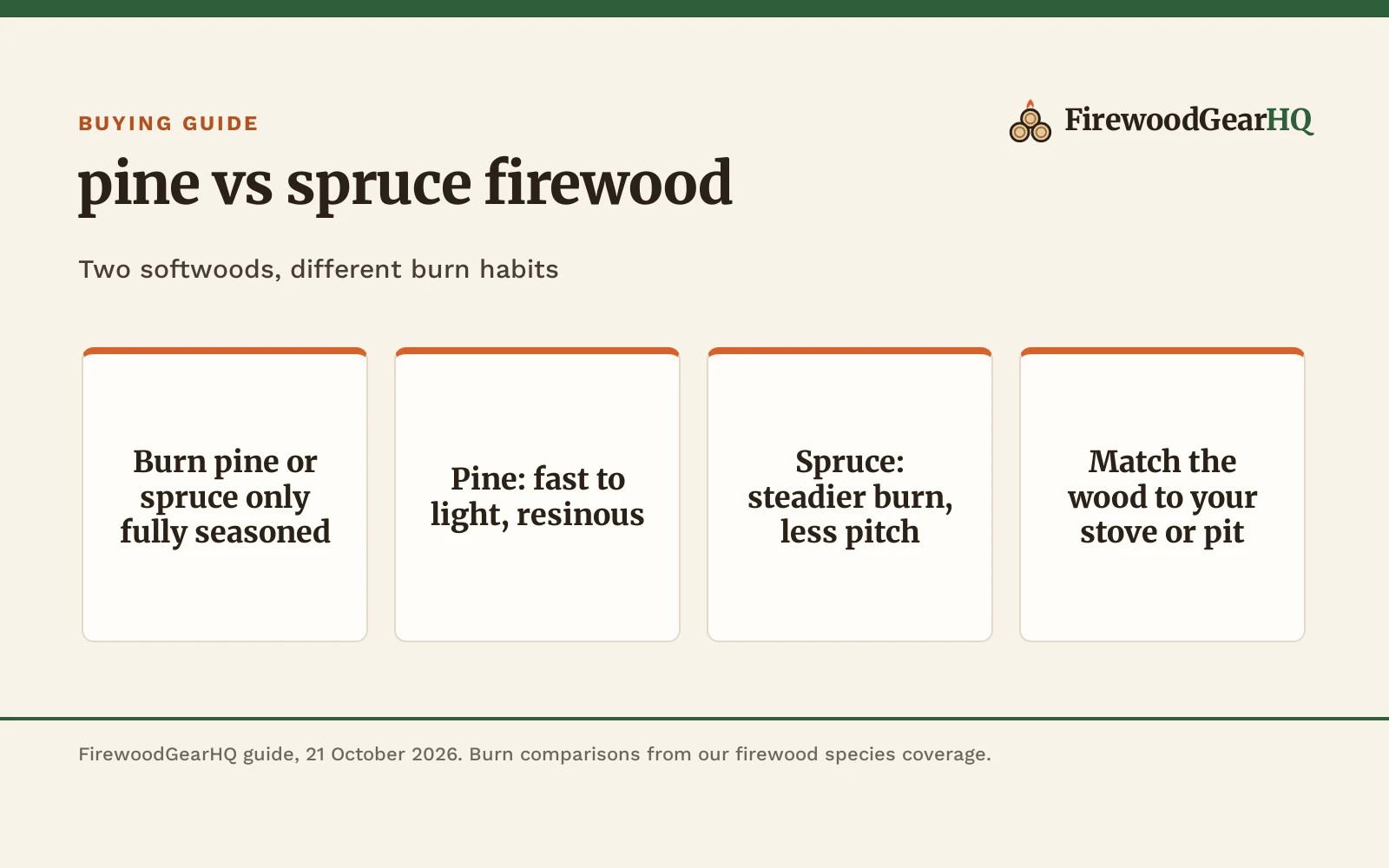
Pine lights fast and burns hot and quick while spruce burns steadier with less pitch, and for most buyers the dry, affordable stack nearby is the right one.

On this page
Top picks at a glance
As an Amazon Associate we earn from qualifying purchases.
- 1
 Woodhaven 8-Foot Raised Firewood Rack w/Cover9.8/10View on Amazon
- 2
 Woodhaven 4-Foot Raised Firewood Rack Black w/Cover9.8/10View on Amazon
- 3
 ULTCOVER Waterproof Firewood Racks Cover 8 Feet Heavy Duty9.7/10View on Amazon
- 4
 Pine Mountain Creosote Buster FirelogView on Amazon
- 5
 Better Wood Products 100% Natural Pine Fatwood FirestarterView on Amazon
- 6
 Pine Mountain Traditional 2-Hour FirelogsView on Amazon
- 7
 Pine Mountain StarterStikk 100% Natural Fatwood FirestartingView on Amazon
- 8
 Pine Mountain Traditional 4-Hour FirelogView on Amazon
- 9
 Pine MountainView on Amazon
Fall is the season the woodpile gets its honest look. Whatever is split and stacked now is what feeds the stove come January, so now is when the choice matters. The question of pine vs spruce firewood comes down to burn speed, resin and how you plan to burn it. Both are softwoods, both season faster than dense hardwoods like oak, and both burn best only when they are fully seasoned. Here is how the two compare, and when to reach for each.
More options to compare
 Pine Mountain Creosote Buster FirelogCheck price on Amazon
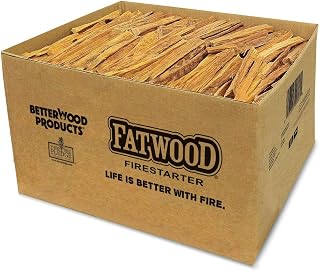 Better Wood Products 100% Natural Pine Fatwood FirestarterCheck price on Amazon
 Pine Mountain Traditional 2-Hour FirelogsCheck price on Amazon
 Pine Mountain StarterStikk 100% Natural Fatwood FirestartingCheck price on Amazon
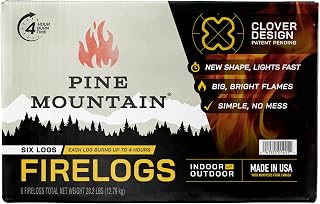 Pine Mountain Traditional 4-Hour FirelogCheck price on Amazon
 Pine MountainCheck price on Amazon
FirewoodGearHQ may earn a small commission if you buy through links on this page. The price you pay stays the same. Read our affiliate disclosure.
Pine vs spruce firewood: the short answer
Pine lights faster and burns hotter at first, which makes it a strong choice for kindling and for bringing a stove up to temperature. Spruce burns a touch steadier with less pitch, so many burners prefer it for longer softwood burns and for indoor fires. Buy whichever is cheaper and drier near you, split and stack it well, and burn it only after it reads dry on a meter.
How pine burns
Pine is resinous wood. The pitch that makes it catch so readily also means it moves through a load quickly, so it suits quick fires, shoulder-season burns and waking up a lazy stove. Pine carries a reputation for smoky chimneys, but that reputation mostly belongs to wet pine. Burned fully seasoned, it is a clean, willing firewood. Keep an eye on the flue either way, and have the chimney inspected once a year, which chimney sweeps recommend as standard care.
How spruce burns
Spruce is the quieter of the two softwoods. It splits clean along its straight grain, seasons quickly in the stack and burns with a steadier, less resinous flame than pine. Heat sits in the same softwood class for both: bright and fast rather than long and slow. Where pine can spit and pop as pitch pockets heat up, spruce tends to burn more evenly, which is why many people favor it for indoor stoves and for wood they carry into the house.
Seasoning and storage
Softwoods season fast next to dense hardwoods. Split, stacked off the ground and covered on top, pine and spruce often reach burning dryness in about six to nine months across a warm season. Split small to speed things up, since water leaves mainly through the cut faces. Stack both the same way: rows off the ground with air between them, the top covered, the sides open to the wind. The U.S. EPA’s Burn Wise program advises burning wood at 20 percent moisture or less for a cleaner, hotter fire, so read a fresh split face with a meter before the first fire of the season. Wood sold as seasoned is not always dry, and a quick reading settles the question.
Which one should you buy?
Buy on price and dryness, not on species loyalty. If pine is what the yard has and it reads dry, it will heat your shop, your fire pit and your stove just fine. If you are buying for an indoor stove and both are on offer dry, spruce earns the edge for its steadier, less pitchy burn. Either way, skip anything that looks green or feels heavy for its size, and plan ahead: softwood bought green in autumn will not be ready for that winter.
Small-fire picks: kiln-dried pine and friends
Not every fire needs a full cord. For tabletop fire pits, pizza ovens and quick backyard burns, kiln-dried packaged firewood is the ready-to-light answer. I scored the four firewood picks in our data on performance, build, value, safety and warranty, and ranked them below, highest first.
1. WIFER 4-inch mini pine sticks
The top pick is the most complete kit of the four. The maker lists a 9.5 to 10 pound box of 4-inch kiln-dried pine sticks holding 730 cubic inches, dried to under 6 percent moisture and sold bark-free. The extras set it apart: 8 fire starters, a pair of gloves and tongs come in the box, and the listing states burn times of 20 to 30 minutes. The maker lists it for Solo Stove Mesa and Mesa XL, tabletop fire pits, BBQ grills, pizza ovens, indoor fireplaces and open pits. Note the small rounding: the title calls it a 10 lb box while the bullets give 9.5 to 10 pounds.
2. WFLUOLUO 3.5-inch mini pine firewood
Second place goes to a simpler box of the same idea. The maker lists 3.5-inch lengths of kiln-dried pine in a 7 to 8 pound box holding 600 cubic inches, dried to under 6 percent moisture and sold bark-free, with a 5-inch length also on offer. The maker claims the lowest sap and resin content compared with traditional fat lighters, which it ties to less smoke and a cleaner burn; take that as the maker’s claim. It is listed for Solo Stove Mesa, tabletop fire pits, pizza ovens, wood stoves and barbecues. The smaller box is the lightest of the four picks.
3. Firewood Central kiln-dried PA cherry
Third is the flavor pick, and a hardwood at that. The listing states a 38 pound bundle of 16-inch cherry splits, 14 to 18 splits per bundle, kiln-dried to 15 percent moisture or less, with a sweet, fruity character meant for cooking fires. The maker lists it for pizza ovens, grilling, smoking, BBQ, stoves and fire pits, and notes it is sourced in the USA and processed in Myerstown, PA. It is not pine or spruce, so it answers a different question than the keyword, but it rounds out the small-fire shelf for anyone who cooks over wood.
4. Woodover 15-inch birch firewood logs
Fourth is a kiln-dried birch box: the maker lists 1200 cubic inches of 15-inch birch logs in a 15 to 20 pound box, kiln-dried and seasoned hardwood for fire pits, fireplaces and wood stoves. One wrinkle worth flagging: the title advertises a fire starter set that the spec table does not itemize, so treat the starters as unconfirmed until the listing spells them out. The spec table gives the weight as 6.91 kg, which sits inside the stated 15 to 20 pound range.
Frequently Asked Questions
Can I burn pine in a wood stove?
Yes. Seasoned pine burns fine in a wood stove; see can you burn pine in a wood stove for the full answer. Burn it dry, keep the air settings the maker recommends, and keep up with chimney inspections.
Does pine cause more creosote than spruce?
Flue deposits track wet wood more than species names. Any wood burned wet smokes more and leaves more in the flue, so season both fully, burn lively fires and have the chimney inspected once a year.
Which burns longer, pine or spruce?
Neither is a long-burn wood. Both are softwoods that give bright, fast heat, so expect shorter burn times from either than from a dense hardwood like oak. For overnight heat, hardwoods outlast both.
Can I mix pine and spruce in the same fire?
Yes, and many burners do exactly that in the shoulder seasons. Light with pine for a fast start, then feed spruce for a steadier middle of the burn.
Is kiln-dried mini pine worth it for a tabletop fire pit?
For small appliances like a Solo Stove Mesa, the boxed mini pine above is sized to fit and arrives dried to under 6 percent moisture, so it lights with little fuss. It costs far more per cord than wood you split and stack yourself, so treat it as convenience fuel, not as your winter supply.
Related guides
See the firewood storage hub and the best firewood racks with covers, and check dryness with the best firewood moisture meters. Compare more softwoods in cedar vs pine firewood and poplar vs pine firewood, or read can you burn pine in a wood stove before you load the stove.