How to Use a Wood Furnace: Loading, Fuel and Safe Operation
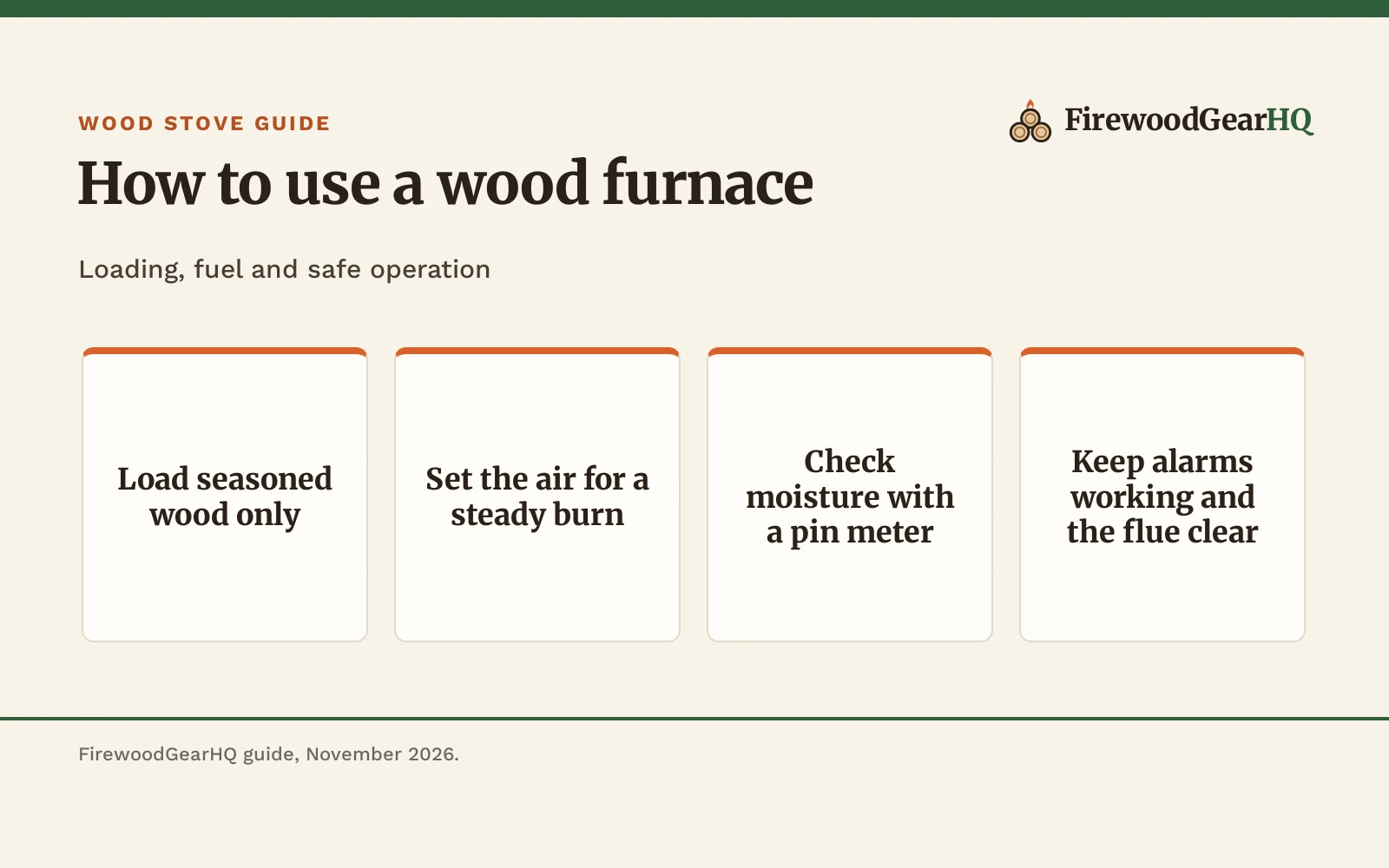
How to use a wood furnace, from loading seasoned wood and setting the air to checking moisture with a pin meter and keeping the fire safe.

On this page
Top picks at a glance
As an Amazon Associate I earn from qualifying purchases.
- 1
 SIMOND STORE Ceramic Fiber Insulation Roll9.6/10View on Amazon
- 2
 Lyrufexon Ceramic Fiber Insulation Blanket9.4/10View on Amazon
- 3
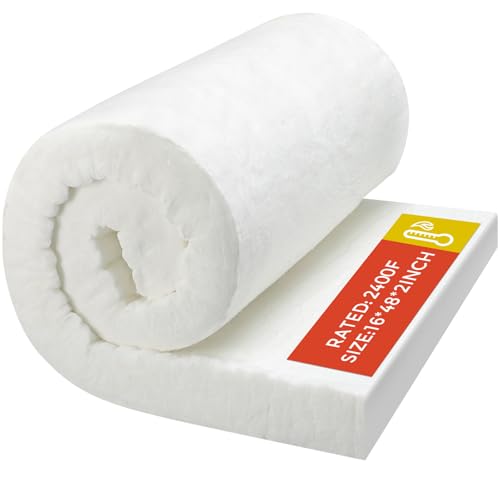 Fanfanwin 2400F High Temperature Insulation Blanket9.3/10View on Amazon
The wood is split and stacked by the door, and the cold season is here. How to use a wood furnace comes down to a short routine: load seasoned wood, set the air so the fire burns steady, and tend it through the day. A furnace rewards dry wood and a calm hand, and it punishes wet wood and a rushed fire, so the routine and the fuel matter together.
FirewoodGearHQ earns a small commission if you buy through links on this page. The price you pay stays the same. Read our affiliate disclosure.
How to use a wood furnace: the quick answer
Start with seasoned wood and a clean firebox. Load the wood with room for air to move, light the fire, and set the air controls so the fire burns steady instead of smoky. Add wood as the fire burns down, and check the wood with a pin meter when you are unsure whether it is dry. Keep smoke and CO alarms working, and have the chimney checked each year. The rest of this guide walks through each part of that routine in order.
Before you light it
A good burn starts before the match. Look inside the firebox and clear out old ash so the new load has room and air can move under it. Check that the door closes tight and the seals look sound, and make sure the flue path is clear. If the stove has not been used since last season, have the chimney checked before the first fire of the season.
Lay out the wood you plan to burn. Seasoned wood is the rule for a furnace: it lights easier, burns hotter and leaves less soot in the flue than wood that is still wet inside. If a split looks damp or feels heavy for its size, set it aside and check it with a meter before it goes in the firebox. The best firewood moisture meters make that check quick.
Load the firebox
Build the load from the bottom up. Put kindling and small splits at the base, then lay larger splits across them with gaps between the pieces so air can reach the fire. Leave space above the load and in front of the door so the fire can breathe and you can see what it is doing. A firebox packed tight burns smoky and slow, while a load with air gaps catches fast and burns hotter.
Do not fill the firebox to the top. A load that crowds the flue outlet blocks the path for smoke and sends it back toward the room. Load enough wood for the burn you need, then leave room for the flames. When the fire is going well, add splits as the load burns down rather than piling the box full at once.
Set the air and tend the burn
Light the kindling and leave the air controls open until the fire is established and the wood is burning well. Then ease the air back until the fire burns steady, with bright flames and little smoke. A fire that smokes heavily is asking for more air or drier wood, so open the air and check the wood before you add more fuel.
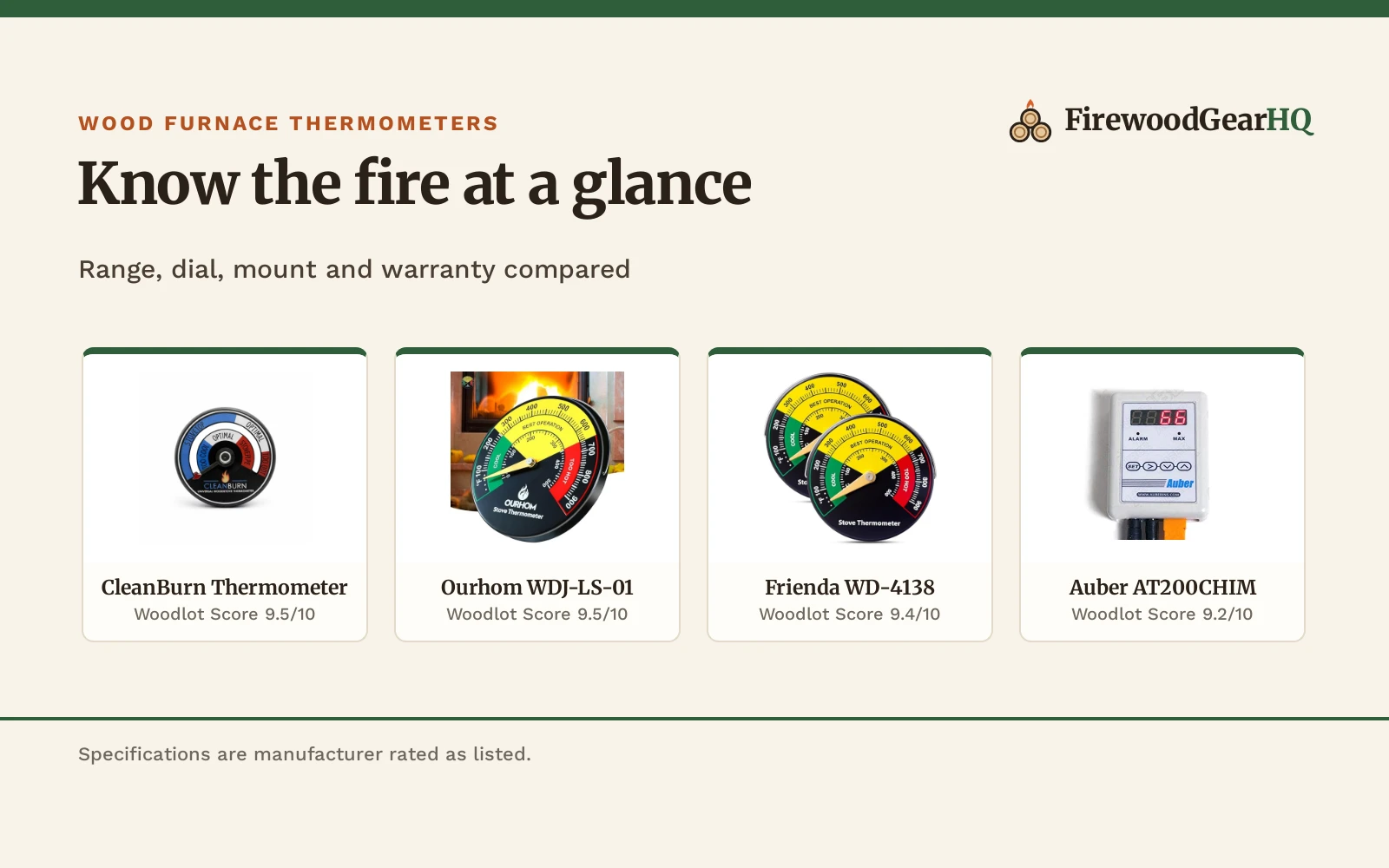
Tend the fire through the day. Add splits as the load burns down, and rake the coals forward so the next load catches fast. A stove thermometer shows whether the fire is holding its normal range, and damp wood is one common cause when it is not. See the best stove thermometers.
Wet wood is hard to light, burns cool and smoky, and puts out little heat. The smoke carries unburned vapor that condenses in the flue as creosote, which is a chimney fire risk, and it clouds the stove glass. If the fire will not climb into its normal range, the wood is the place to look first.
Check the wood with a pin meter
A meter takes the guesswork out of the woodpile. The Klein Tools pin moisture meter (on Amazon) reads softwood, hardwood, drywall and building materials, and its stainless steel pins insert up to 8 mm deep into the surface. Split a piece and press the pins into the fresh face to read the wood you are about to burn, not the weathered outside.
The meter shows the result on a 3-color backlit LCD: red for high, orange for medium, and green for low. A green reading on a fresh split face is a better sign than red, but the meter shows a relative range, so use it to compare pieces rather than treating one color as a pass mark. The meter is pocket-sized, weighs 0.14 pounds and measures 6.42 inches long, with a sturdy pen clip, and the top of the cap verifies calibration quickly. It also carries an audible alert and a work light.
Check the wood before you buy a load, too. Wood sold as seasoned is not always dry, so read a split piece with a meter before you stack it.
Shut it down and stay safe
Let the fire burn down on its own when the day is done. Close the air down only as the fire settles, and leave the stove to cool before you handle the ash. Ash stays hot long after the flames are gone, so let it cool fully and store it in a metal container away from the house and anything that burns. See the best ash buckets for wood stoves.
Keep smoke and CO alarms working in the rooms near the stove, and have the chimney inspected each year. Install and run the stove per the maker and local code, and keep clearances as they require. A furnace is a steady heat source when the wood is dry, the air is set right and the flue is clear, and the routine above is what keeps it that way.
Turn a stack's length, height and depth into full and face cords, and estimate how much wood a winter takes.
FAQ: wood, fire and gear
How do I know if my firewood is dry enough to burn?
Split a piece and read the fresh face with a pin meter. The Klein Tools meter shows green for low moisture on its 3-color display; pieces that read green are the driest in the pile, and pieces that read high need more time stacked and drying before they go in the firebox.
Can I burn wood that is not seasoned?
You should not. Seasoned wood only is the rule for a furnace. Wood that is still wet inside is hard to light, burns cool and smoky, and builds creosote in the flue. Stack it to dry and check it with a meter before you burn it.
Why is my wood furnace smoking into the room?
Look at the draft first. Smoke in the room means the flue is not drawing: the flue may be cold or blocked, or the stove may be starved of air. Open the air and burn seasoned wood, and if the smoke keeps coming, stop using the stove and have the chimney checked.
Can I leave a wood furnace burning overnight?
Load seasoned wood, set the air for a steady burn, and make sure the smoke and CO alarms are working before you sleep. Do not overload the firebox, and do not leave a smoky, struggling fire to burn on its own. If the fire will not burn steady, let it go out and sort the wood or the air in the morning.
What wood burns best in a wood furnace?
Seasoned wood burns best, whatever the species. Hardwood and softwood burn well once dry, and the Klein Tools meter has modes for softwood and hardwood. Split the wood small enough to catch fast, stack it to dry, and check it with a meter before it goes in the firebox.
More firewood guides
See the wood stoves hub and the best wood stove for heating a house if you are choosing a stove. For the wood itself, see how long firewood takes to season and how to stack firewood.