Fireplace Screen Ideas: Types to Choose From
Fireplace screen ideas for every hearth, from flat panels to folding and arched screens, with measuring and choosing advice.

On this page
Top picks at a glance
As an Amazon Associate I earn from qualifying purchases.
- 1
 3' X 4' Grill Heat Shield for Deck Railing9.2/10View on Amazon
- 2
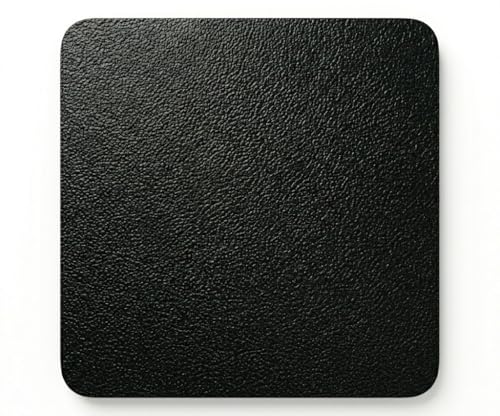 Plexon Thermal Stove/Wall Board Floor Protector9.6/10View on Amazon
- 3
 Flame King Dual 30LB LP Propane Tank Light Plastic Heavy Duty9.6/10View on Amazon
The first cool evening of fall calls for a fire, and the wood is stacked by the hearth, dry and ready to burn. Before the match is struck, the opening needs a screen, something that keeps sparks and embers inside the firebox while the fire stays in view. These fireplace screen ideas cover the main types, how to measure the opening and how to pick a screen that fits the fireplace and the room.
FirewoodGearHQ earns a small commission if you buy through links on this page. The price you pay stays the same. Read our affiliate disclosure.
The quick answer
A fireplace screen is a standing guard that sits in front of the firebox and stops sparks and embers from reaching the room. Flat panel screens suit wide, low openings, folding screens bend around the hearth and tuck away when the fire is out, and arched screens follow the shape of an arched opening. Measure the opening, pick a screen that stands wider and taller than the opening, and look for fine mesh and steady feet.
Fireplace screen ideas by type
Most screens fall into a few broad types, and the shape of the fireplace decides which one fits. Start with the opening, then match the screen to it.
Flat panel screens
A flat panel screen is a sheet of mesh in a frame that stands straight across the opening. It suits a fireplace with a wide, low opening and a flat hearth, and it reads as plain and quiet against the mantel. The panel leans against the fireplace surround or stands on small feet, and it lifts away in one piece when the fire is out and the hearth needs sweeping. Flat panels work well where the opening is a simple rectangle and the room keeps a calm, straight-lined look.
Folding screens
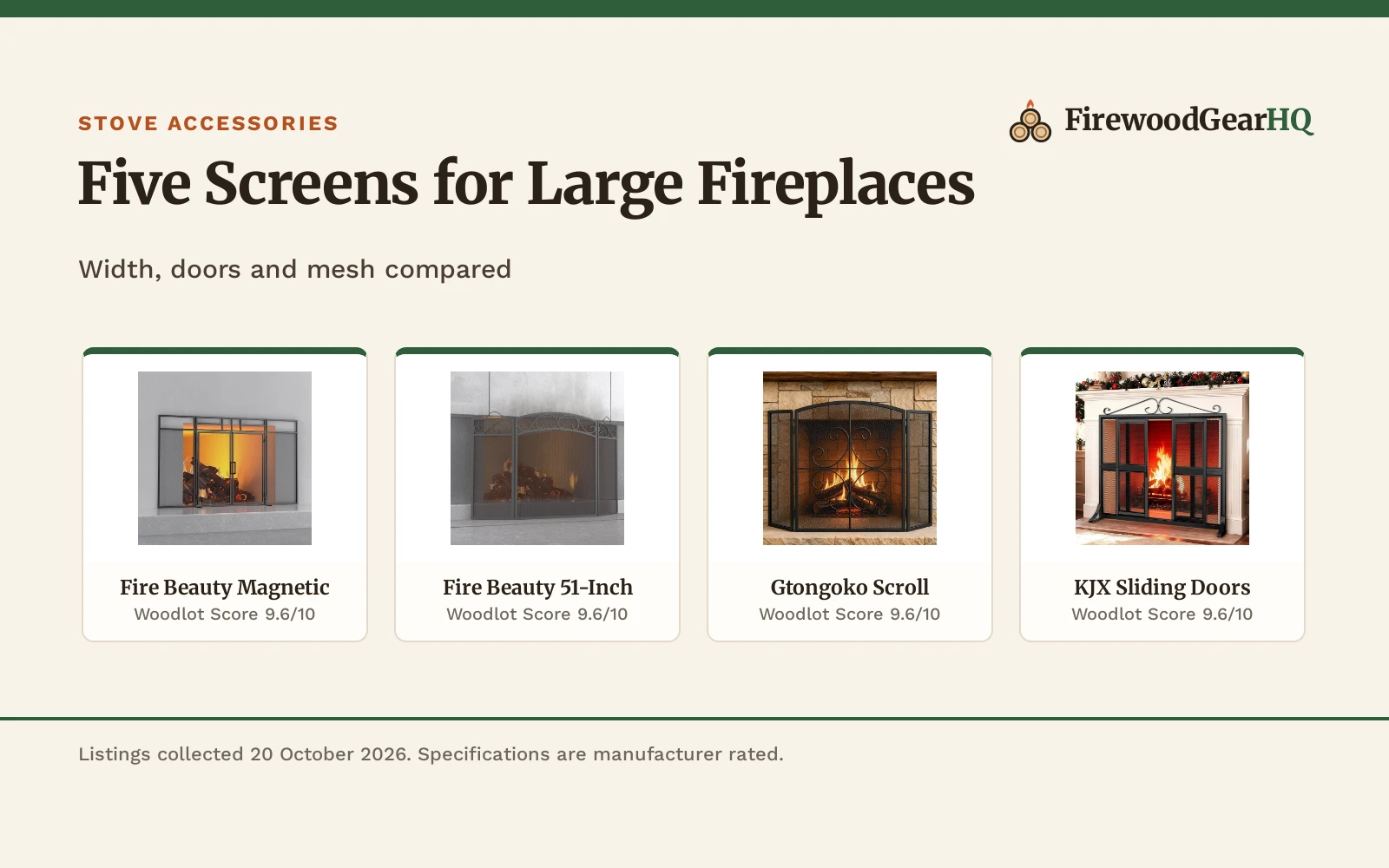
A folding screen has panels joined by hinges, so it bends around the hearth and stands on its own without leaning on the surround. The side panels angle back toward the fireplace, which steadies the screen and lets it fit openings of many widths. When the fire is out, the screen folds flat for storage against a wall or in a corner. Folding screens suit a busy hearth, since the screen can be opened to tend the fire and closed again without moving the whole piece. See the comparison of flat and folding fireplace screens for the differences in fit and storage.
Arched screens
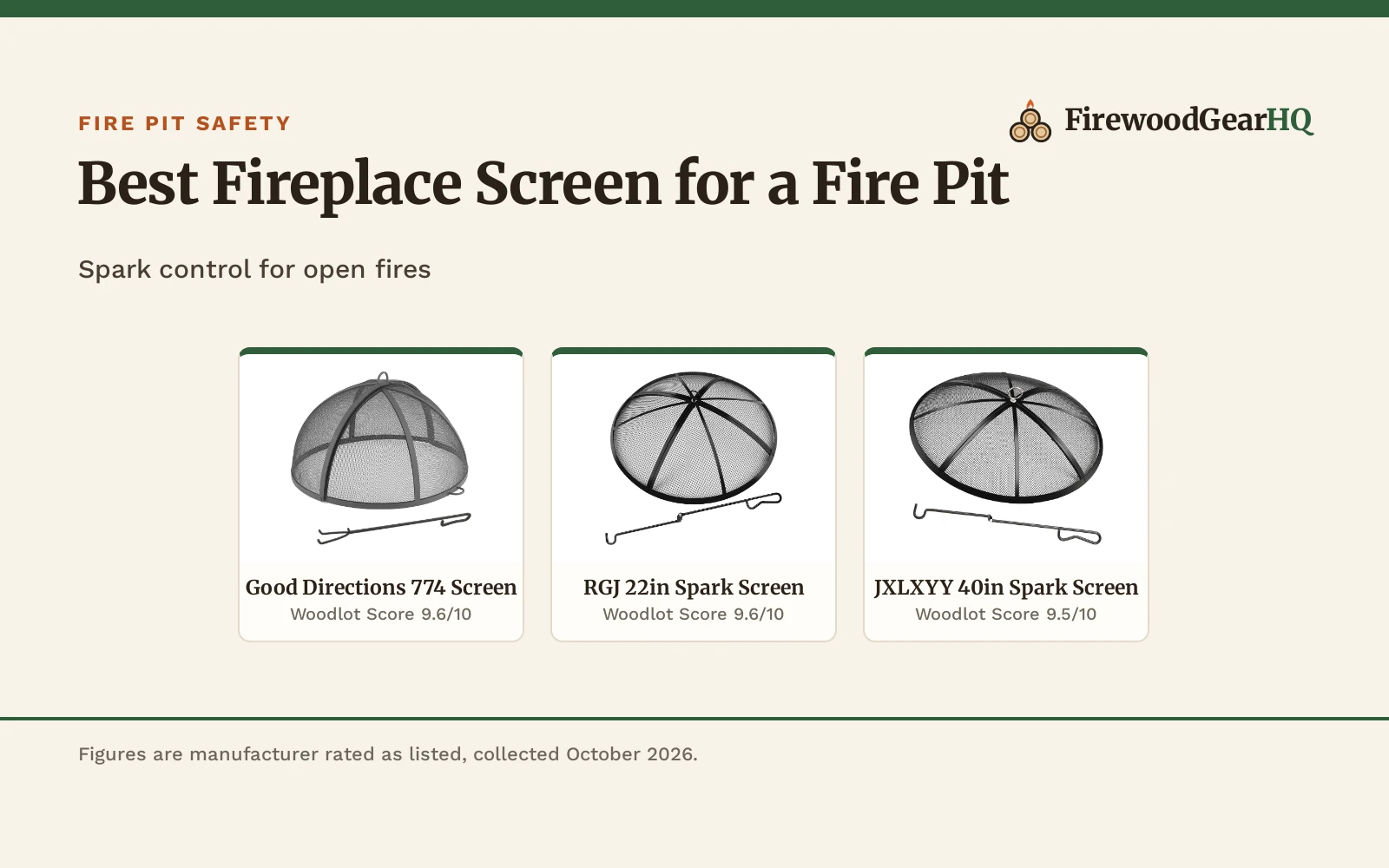
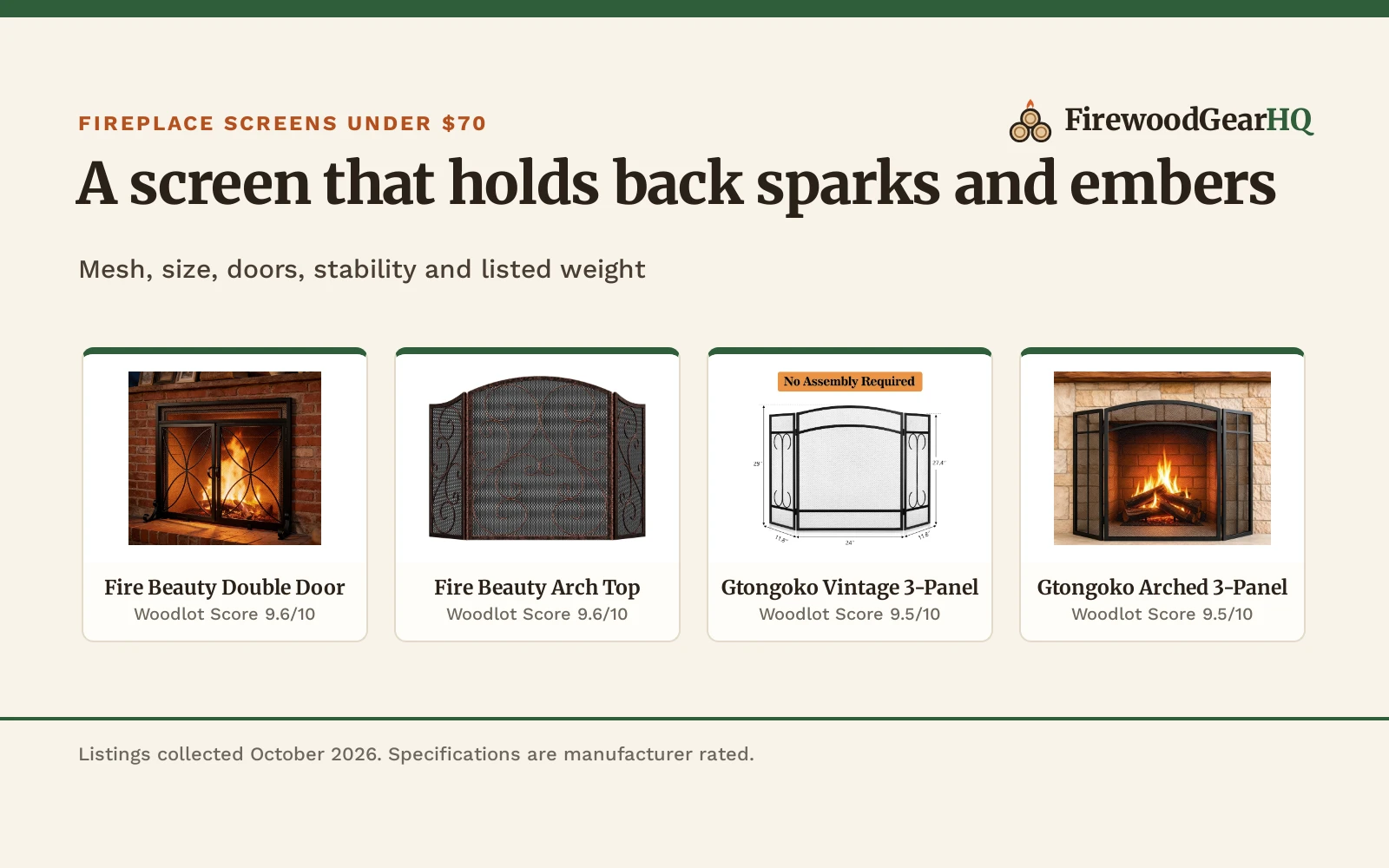
An arched screen follows the curve of an arched fireplace opening, with a rounded top that echoes the shape of the firebox. The arch fills the opening from side to side, so sparks have no gap to slip through at the top corners. Arched screens suit older fireplaces and rooms where the fireplace is the centerpiece, and they pair well with a matching set of fireplace tools.
Screens with a top cover
A screen with a top cover adds a flat mesh panel across the top of the opening, which catches embers that rise and drift. The cover suits an open fireplace where the fire is built high and sparks travel upward. Look for a cover that lifts or hinges open, so the fire can be tended and logs added without taking the whole screen down. See the guide to fireplace screens with a top cover for more on this style.
Mesh screens and glass screens
Mesh screens block sparks while letting heat and the sight of the fire through, and the mesh pattern sets how much of the fire shows. Glass screens give a clear view of the fire, but they stand open at the edges and do not seal the firebox, so they do not keep smoke out of the room the way closed glass doors do. They need regular cleaning to stay clear. See the guide on mesh versus glass fireplace screens before choosing between the two.
How to measure your fireplace opening
Measure the width of the opening at its widest point and the height from the hearth to the top of the opening. A screen should stand wider and taller than the opening, with the mesh covering the whole firebox and overlapping the surround on each side. For a folding screen, measure the width with the side panels angled back, since the span narrows as the panels fold. Write the measurements down before shopping, and check them against the screen size the maker states. A screen for a wood-burning stove follows the same idea: the screen must cover the stove opening fully. See the guide to wood-burning fireplace dimensions and the fireplace screens for a wood-burning stove for more on sizing an opening.
How to choose a fireplace screen
Steel and wrought iron screens stand up to heat and suit a working fireplace that burns through the winter. Brass screens bring a warm shine to a formal room but need polishing to keep their look. Match the finish to the fireplace tools and the andirons so the hearth reads as one set.
Fine mesh stops small embers, while wide mesh shows more of the fire and lets more sparks through. A screen with doors lets the fire be tended without moving the whole screen, which matters on a cold night when logs need turning. Check that the doors swing freely and latch shut.
A screen should stand firm when brushed against, with feet that sit flat on the hearth and enough weight to stay put. Keep the screen clear of rugs and curtains, and keep small children and pets from pulling on it. A safety gate for a fireplace adds a second layer of protection around the hearth. Keep a fireplace log holder nearby so logs stay off the floor and close at hand.
Pick a screen that fits the room as well as the fireplace. A plain black screen suits a rustic hearth, while a brass or arched screen suits a formal room. The screen stays in front of the fireplace all winter, so it should be a piece that is pleasant to look at as well as useful.
Keeping a fireplace screen in good shape
Brush soot off the mesh with a soft brush once the screen has cooled, and wipe the frame with a dry cloth. Check the hinges on a folding screen now and then, and tighten any loose screws. Store a screen that is not in use in a dry spot, standing upright so the frame stays straight. A screen with bent mesh or a loose frame should be repaired or replaced before the next fire.
FAQ: wood, fire and gear
Do I need a fireplace screen for a wood-burning fireplace?
Yes. A screen keeps sparks and embers inside the firebox and off the rug and floor. It also helps keep small children and pets away from the fire. Keep the screen in place whenever the fire is burning.
What is the difference between a fireplace screen and glass doors?
A screen is a freestanding guard that lifts away from the opening, while glass doors are fixed to the fireplace and close over the firebox. Screens suit a fireplace that is used often and tended by hand, while doors suit a fireplace that stays closed while it burns. See the comparison of fireplace screens and glass doors for the full breakdown.
Can a fireplace screen fit an outdoor fireplace?
Yes, if the screen is sized to the outdoor opening and built for outdoor use. Outdoor screens face wind and weather, so look for a sturdy frame and a finish that stands up to rain. See the guide to fireplace screens for an outdoor fireplace for more.
How do I keep a fireplace screen from tipping over?
Choose a screen with wide feet and enough weight to stand firm, and set it flat on the hearth with the feet fully on the stone or brick. Angle the side panels of a folding screen back toward the fireplace, which steadies the whole piece. Keep the screen clear of rugs that could lift a foot off the hearth.
Does a fireplace screen block heat from the fire?
A mesh screen lets most of the heat through while stopping sparks, and the fire still warms the room. Glass doors hold more heat behind the glass when they are closed, so the room warms more slowly. Open the doors, or use a mesh screen, when the room needs heat fast.
More firewood guides
See the stove accessories hub, the comparison of flat and folding fireplace screens, the guide to wood-burning fireplace dimensions, how to measure a fireplace insert, the best fireplace log holders, how to stack logs in a fireplace, the best magnetic fireplace covers and the mesh versus glass fireplace screens.