Cost of a Fire Pit: What to Expect Before You Buy
What a fire pit costs, from a simple steel bowl to a built-in stone ring, and where the money goes after the pit is home.

On this page
Top picks at a glance
As an Amazon Associate I earn from qualifying purchases.
- 1
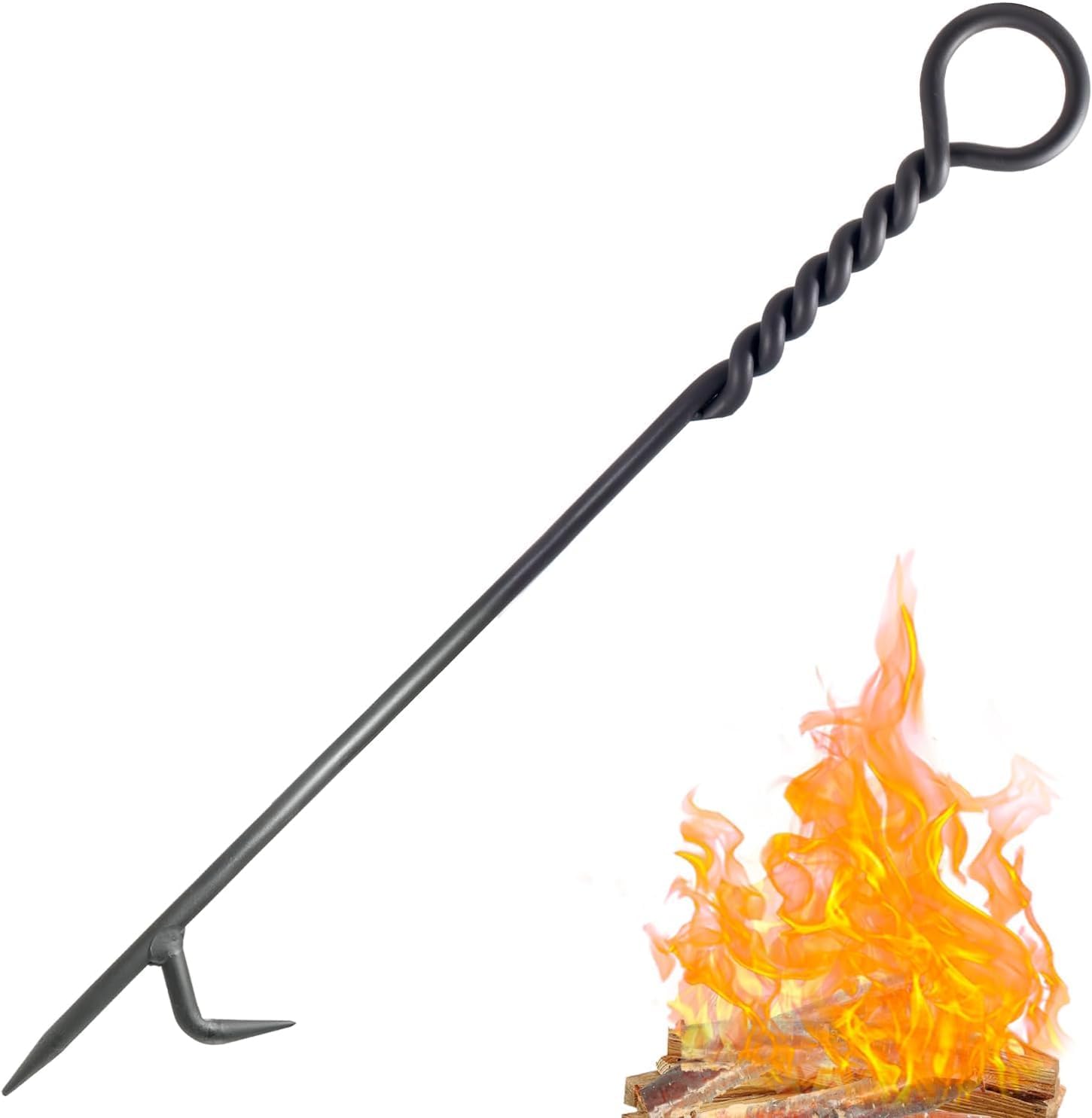 Fire Poker for Fireplace. 40 in Heavy Duty Fireplace Poker.9.6/10View on Amazon
- 2
 Good Directions Fire Pit Spark Screen Hinged for Easy Access9.5/10View on Amazon
- 3
 Gtongoko Fireplace Bellows9.5/10View on Amazon
Fall evenings on a rural property have a rhythm of their own. The woodpile grows through the season, the stove takes its evening load, and on a mild night the household drifts out to the backyard to sit around a fire. A fire pit turns that habit into a gathering spot, and the question that comes before the shopping is plain: what is the cost of a fire pit? The answer depends on the style of pit, the size, the material, the fuel it burns and the extras that go with it, so this guide walks through each piece and shows where the money goes.
FirewoodGearHQ earns a small commission if you buy through links on this page. The price you pay stays the same. Read our affiliate disclosure.
The quick answer
A simple steel bowl pit is among the lowest-cost ways into backyard fires, while a smokeless pit, a gas pit or a fire pit table asks for more. A built-in stone or masonry ring sits at the far end of the range because of the material and the labor that goes into it. Covers, screens, seating and fuel add to the total over time, so the pit itself is only part of the spend. The sections below break the total into pieces, so the choice can match the yard, the usual gathering and the way the pit will be used. For a sense of how fuel choice changes the picture, see the wood burning vs gas fire pit comparison.
What sets the cost of a fire pit
The price of a pit is the sum of what it is made of, how big it is, how it burns and what comes with it. Each factor below moves the total on its own.
Pit style
A round steel bowl is the plainest shape and the easiest to move, so it sits at the modest end of the range. A smokeless pit adds shaped airflow and an inner wall, which raises the price but cuts the smoke that drifts across the seating. A fire pit table folds the fire into patio furniture and asks for more, while a chiminea encloses the fire in a rounded body with a tall chimney, which suits a small patio. A built-in ring of stone or block is a yard project rather than a purchase, and the labor is a large share of what it costs. Compare the shapes in the smokeless vs regular fire pit guide and the fire bowl vs fire pit guide.
Size and seating
A pit that seats a wide circle of chairs needs more steel or stone than a pit made for a quiet evening with a small group, so size moves the price in a clear way. A wide pit also burns more wood per evening and needs a larger clear area around it, which can mean more seating and a larger pad. A tabletop pit or a small portable pit suits a patio or a campsite and keeps the spend low, but it will not warm a large group. See the small vs large fire pit guide before settling on a size.
Material
Steel is the common choice: plain steel is modest in price and needs care against rust, while stainless steel resists rust and asks for more. Cast iron holds heat well and feels solid, but it is heavy and needs a cover to keep rust at bay. Copper and corten steel carry a higher price for their looks and the way they weather. Stone and masonry suit a built-in pit and last for seasons, but the material and the labor set them apart from a pit that arrives in a box. The stainless vs cast iron fire pit guide and the corten vs stainless steel fire pit guide compare the common metals.
Fuel type
Wood is the usual fuel for a backyard pit, and seasoned wood from the woodpile keeps the running cost low. A propane pit burns clean and lights with ease, but it needs a burner, a hose and a tank or a gas line, and the refills add up over a season. Natural gas suits a fixed patio pit and removes the tank, but the line work is part of the install cost. The wood burning fire pit vs propane fire pit guide and the propane vs natural gas fire pit guide lay out the trade-offs.
Extras and installation
A cover, a spark screen, a grate and a set of tools are the usual extras, and each adds to the total in the opening season. A cover is the extra worth buying first, since it keeps rain off the steel and slows rust. Seating, a pad or a patio surface, and delivery can add as much as the pit itself for a large setup. A built-in pit also needs a level base and room around it, so the yard work belongs in the plan from the start. See the fire pit cover vs fire pit screen guide and the spark screen for wood fire pit guide when choosing extras.
Ongoing costs beyond the pit
The pit itself is only the start, since the fire keeps asking for fuel. Seasoned wood from the woodpile is the low-cost path, while bought wood and propane refills add to the running total. Lava rock or glass for a gas pit is a one-time extra. Covers and screens wear out and need replacing, and a plain steel pit that lives outside without a cover will rust sooner and need care or replacement. Ash builds up over the season and needs clearing once it piles up, and a pit that is used through the season will need care now and then. Counting fuel and upkeep across a season gives a truer picture than the price of the pit alone.
Placement and safety
A fire pit belongs outdoors, clear of walls, overhangs, fences and dry leaves, with open sky above it. Never light a fire pit inside a garage, a tent or a gazebo, and never leave a burning pit unwatched. Keep a bucket of water or a hose close at hand, and let the ash cool fully before clearing it out. Seasoned wood burns cleaner than green wood, so the woodpile matters here as well. For the setup steps, see the fire pit set up guide.
Ways to spend less
A pit that fits the yard and the usual gathering costs less over time than a pit that is too big, too small or made of the wrong material. A short list helps keep the spend in check:
- Match the size to the usual gathering, not the largest crowd that might visit.
- Pick a material that suits the climate and the care it will get, and buy a cover with the pit.
- Burn seasoned wood from the woodpile where possible, and keep it dry under cover.
- Compare wood and gas running costs before choosing a fuel, since fuel is the cost that repeats.
- Buy the screen, grate and tools with the pit so the opening burn is not delayed by a missing piece.
FAQ: wood, fire and gear
What adds the most to the cost of a fire pit?
Size, material and fuel type set the range, and a built-in masonry pit adds labor on top. A large smokeless pit or a gas fire pit table costs more than a plain steel bowl, and the gap comes from the material, the burner and the build rather than the brand name on the box.
Does a bigger fire pit always cost more?
In general, yes, since a bigger pit uses more material and burns more fuel per evening. A plain large bowl can still cost less than a small smokeless pit, though, since the airflow design and the build matter as much as the size. See the small vs large fire pit guide for the trade-offs.
Is a smokeless fire pit worth the extra cost?
For a household that burns often and sits close to the fire, the cleaner burn and the smaller amount of smoke drifting across the seating area can justify it. A smokeless pit still needs dry, seasoned wood to burn well, and it asks for more care to keep its airflow clear. See the smokeless wood burning fire pit guide for the current picks.
What fuel costs the least over time?
Seasoned wood from the woodpile is the low-cost fuel where wood is plentiful and already cut, split and stacked. Propane is simple to light and easy to control, but the refills add up across a season of regular use. The wood burning vs gas fire pit guide compares the running costs in full.
Are fire pit covers worth buying?
Yes, in most cases. A cover keeps rain and leaves out of the pit, slows rust on steel and cast iron, and stretches the life of the pit. A standard cover costs far less than a replacement pit, so it is the extra that earns its keep. See the standard fire pit cover guide for the current covers.
More firewood guides
Plan the setup with the wood burning fire pit for a backyard guide and the fire pit set up guide, compare the fire ring vs fire pit guide when choosing a shape, and see the lava rock for fire pit guide and the fire pit pan guide for gas pit extras. For trips away from home, the wood burning fire pit for camping guide covers portable pits.