How to Use Chimney Cleaning Log: Step-by-Step Guide
Learn how to use chimney cleaning log treatments safely in your fireplace or wood stove, what happens during the burn, and how to maintain your flue.

On this page
Top picks at a glance
As an Amazon Associate we earn from qualifying purchases.
- 1
 The Creosote Sweeping Log9.5/10View on Amazon
- 2
 SootEater Rotary Chimney Cleaning System9.6/10View on Amazon
- 3
 Sealegend 30FT Chimney Sweep Kit Rotary Flexible Cleaning9.6/10View on Amazon
- 4
 ACS Anti-Creo-SootView on Amazon
- 5
 Stanbroil Magnetic Wood Stove Flue Pipe Thermometer for woodView on Amazon
- 6
 50 in Tent Wood Burning Stove Pipe Cleaning Brush StainlessView on Amazon
- 7
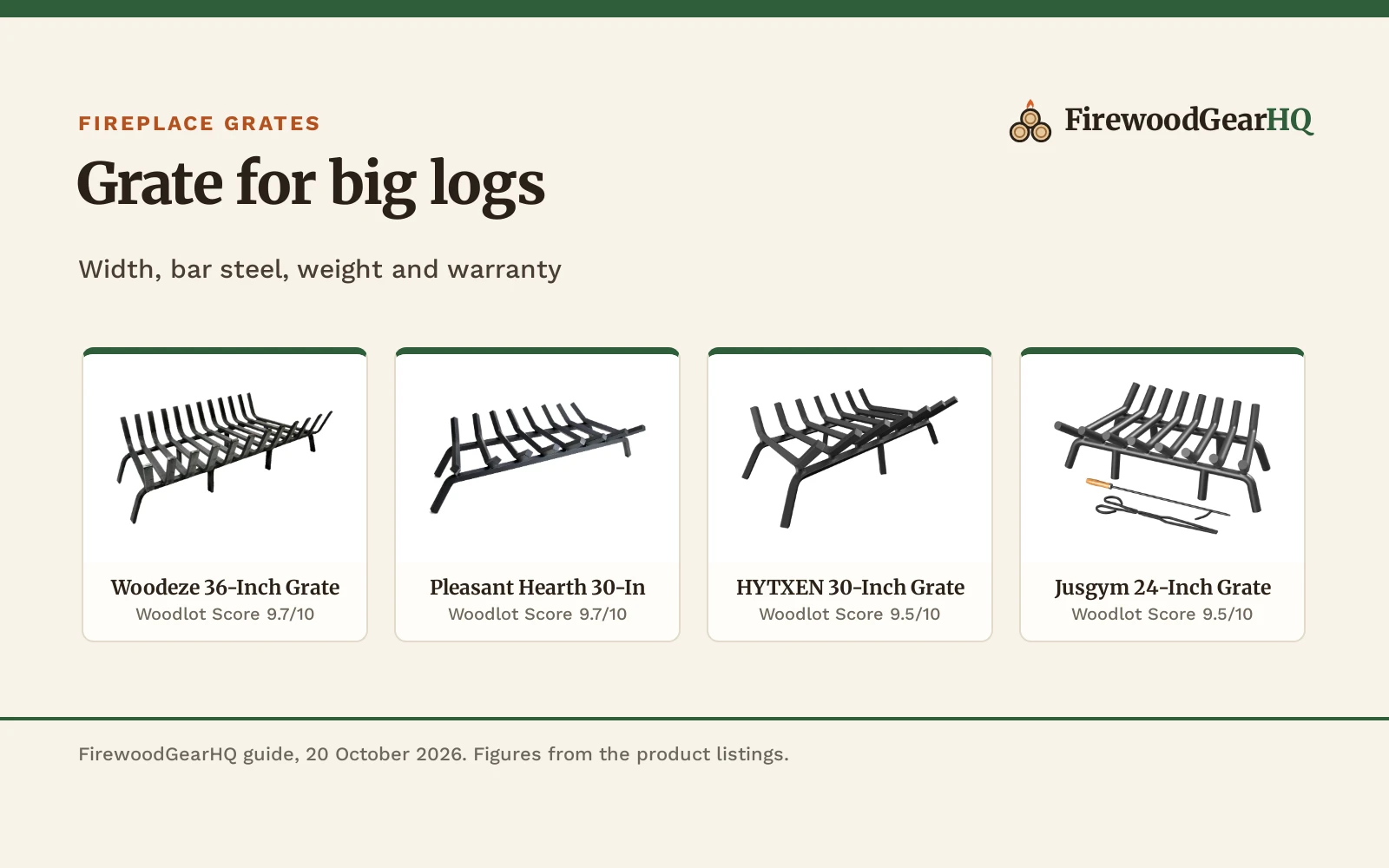
 Fireplace Grate 14 inchView on Amazon
- 8
 Fireplace Grate 17 inchView on Amazon
- 9
 36ft Total Fiberglass Chimney Cleaning Rods for 1/4" NPT BrushView on Amazon
As winter burning gets underway and fires burn daily in the hearth or wood stove, keeping flue passages clear of glazed deposits is essential for safe heat. Knowing how to use chimney cleaning log treatments starts with following the package instructions for your specific log, burning a single log either on an existing fire or as a standalone burn on a clean grate with the damper fully open. Heated minerals convert into gases that rise through the chimney, drying out sticky deposits so they loosen over the following weeks. While these specialty logs help loosen glaze, they work as a maintenance aid rather than a complete substitute for mechanical brushing.
More options to compare
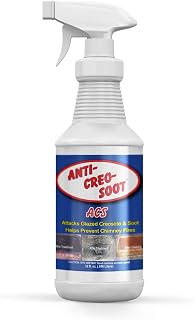 ACS Anti-Creo-SootCheck price on Amazon
 Stanbroil Magnetic Wood Stove Flue Pipe Thermometer for woodCheck price on Amazon
 50 in Tent Wood Burning Stove Pipe Cleaning Brush StainlessCheck price on Amazon
 Fireplace Grate 14 inchCheck price on Amazon
 Fireplace Grate 17 inchCheck price on Amazon
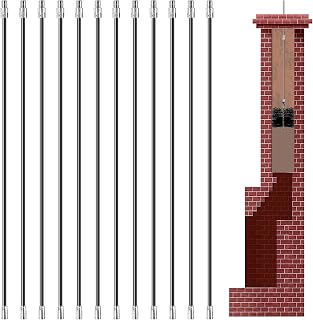 36ft Total Fiberglass Chimney Cleaning Rods for 1/4" NPT BrushCheck price on Amazon
FirewoodGearHQ may earn a small commission if you buy through links on this page. The price you pay stays the same. Read our affiliate disclosure.
The quick answer
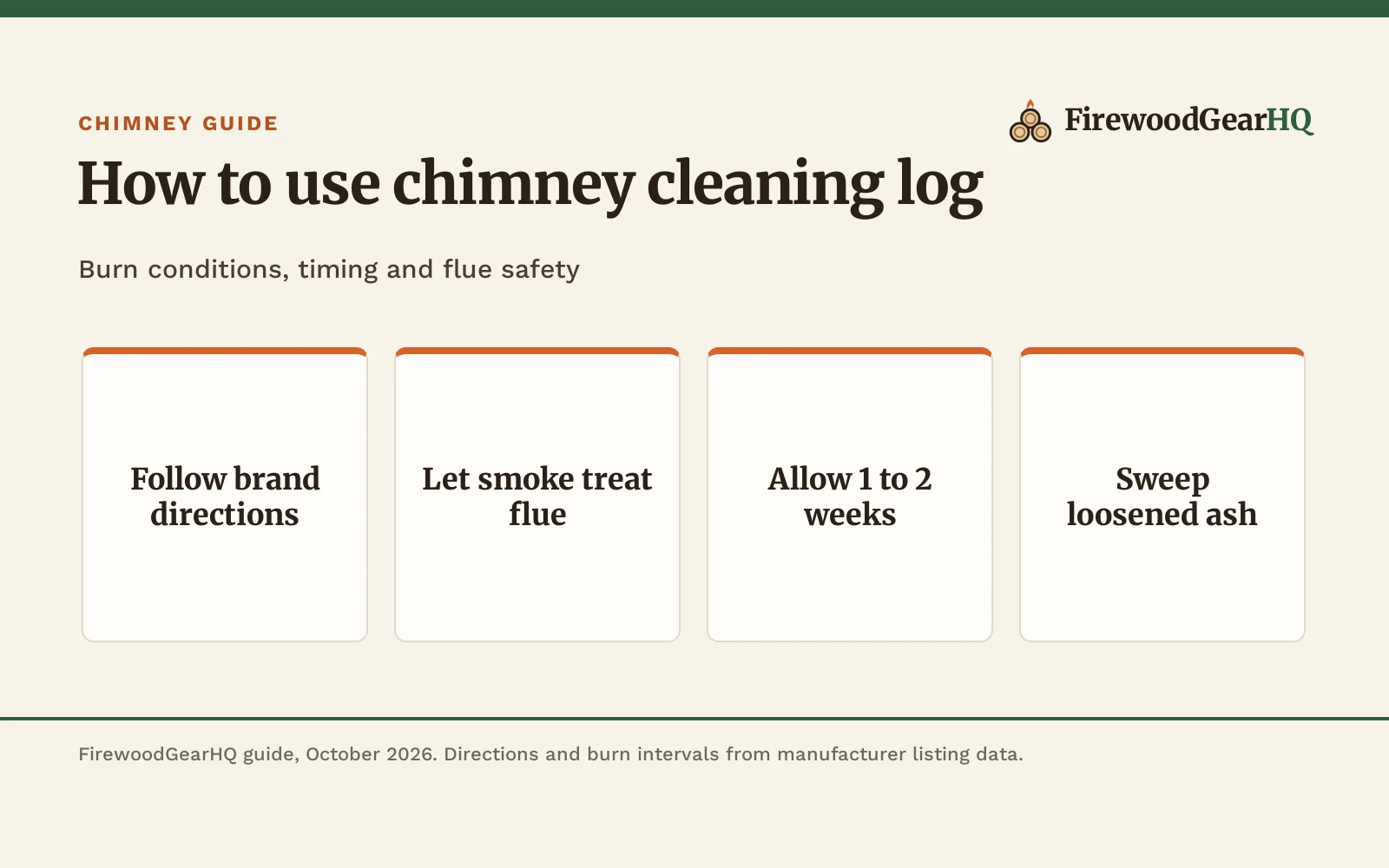
To use a chimney cleaning log, check the product label to see whether it is designed for a standalone burn or added to an active fire. For an additive log, place one log onto hot coals or an active wood fire; for a standalone log, place the single log directly on the clean fireplace grate. Open the damper fully so the chimney draws well. As the log burns, mineral vapors travel up the flue, coating sticky creosote deposits. Over the following 1 to 2 weeks of regular heating, the treated deposits dry out and loosen from the chimney walls. Sweep the flue with a chimney brush to remove the brittle ash, and clean the firebox. Burn a log once per season or every 40 to 60 fires as ongoing maintenance between professional chimney sweepings.
Chimney cleaning log specifications compared
Chimney cleaning logs use mineral compounds to alter creosote deposits, but physical sizes, burn times and application intervals differ across brands. The figures below come from manufacturer specifications.
| Product | Stated weight | Application interval | Key characteristics |
|---|---|---|---|
| Pine Mountain Creosote Buster | 3.5 lb | Once per season (or every 40 fires) | Converts powder to gas; burns with up to 80% less carbon monoxide and 75% less particulate matter than cordwood |
| Creosote Sweeping Log | Not stated | Every 60 fires | Burns for approximately 90 minutes; active treatment continues over 1 to 2 weeks; trusted over 25 years |
| Rutland Creosote Antidote | 2.5 lb each (2-Pack) | Not stated | Triple the cleaning power; no wax additives; converts creosote into brushable ash |
Compare current options in our roundup of the best fireplace cleaning logs.
How to use chimney cleaning log step by step
Check the flue and open the damper
Before lighting, check the firebox and flue with a flashlight. Verify that draft is unobstructed and that no animal nests or fallen bricks block the passageway. If the flue is heavily blocked or coated in thick glaze, do not burn a log; call a certified chimney sweep. Fully open the chimney damper to allow maximum airflow through the flue so vapors rise through the chimney liner.
Prepare the firebox per manufacturer directions
Different logs use different burn methods. For additive logs like Rutland Creosote Antidote or Pine Mountain Creosote Buster, start a wood fire with dry cordwood and let it burn down to hot coals. For standalone logs like Creosote Sweeping Log, clear away deep ash so the fireplace grate is clean, as the log burns alone without cordwood.
Position one log on the grate or fire
Place one log in the fireplace or stove. As Rutland specifies for its Creosote Antidote, place one log into a wood fire or hotbed of coals. For standalone logs like Creosote Sweeping Log, place the single log directly on the grate with the seam facing up. Keep paper-wrapped logs in their original wrapper and light the packaging at the arrows. Burn only one log at a time.
Allow the log to burn completely undisturbed
Leave the log undisturbed while it burns. Do not poke, break or stir the log, which causes it to burn too quickly. Creosote Sweeping Log specifies that its log burns for approximately 90 minutes. As the log burns, additives vaporize into active gases. Pine Mountain describes how its powder converts under heat into a penetrating gas to attack creosote compounds. Keep wire mesh fireplace screens or stove doors closed to catch sparks, but keep glass fireplace doors open to maintain draft.
Continue normal fires while treatment works over 1 to 2 weeks
Chemical action continues long after the log finishes burning. Creosote Sweeping Log notes that active treatment continues over 1 to 2 weeks. The chemical vapors coating the flue walls react with creosote during subsequent normal fires. Over this period, sticky glaze dries out and becomes brittle ash, with loose particles dropping into the firebox or smoke shelf.
Clear fallen debris and brush the chimney flue
After the treatment window, clear fallen debris from the firebox and smoke shelf using an ash vacuum or metal shovel. Because chemical logs loosen creosote rather than eliminating it, mechanical brushing remains necessary. Run a chimney brush through the flue using one of the best chimney sweep kits for wood stoves to sweep away loosened deposits from the liner.
When and how often to burn a cleaning log
Chimney cleaning logs serve as routine maintenance between regular sweepings, not as an emergency fix for a neglected flue. Burn frequency depends on how often you light fires. Pine Mountain recommends adding a log once per season or every 40 fires. For fireplaces and stoves that see heavier use, Creosote Sweeping Log advises burning a log every 60 fires. Operating habits affect creosote accumulation significantly. Learn more in our guide on what is creosote and how to prevent it, and see how often should you clean your chimney with a wood stove to establish a safe maintenance routine.
What chimney cleaning logs can and cannot do
Understanding the limits of chemical logs keeps your hearth safe. These products offer real benefits when used properly, but they cannot replace standard chimney sweeping.
What cleaning logs can do
- Dry out sticky creosote: Mineral vapors alter tarry creosote, converting tacky deposits into dry, brittle ash.
- Make sweeping easier: Hard glaze becomes flaky and easily brushed away after treatment.
- Burn with lower emissions: Pine Mountain listings report burning with up to 80% less carbon monoxide and 75% less particulate matter than cordwood.
- Provide ongoing treatment: Creosote Sweeping Log notes that chemical action continues working on deposits over 1 to 2 weeks.
What cleaning logs cannot do
- They cannot remove creosote entirely: The log does not eliminate creosote; it dries it out so it can be brushed away.
- They cannot clear a blocked chimney: If a bird nest or heavy creosote plug blocks the flue, burning a log will spill smoke and gas into the home.
- They cannot extinguish a chimney fire: Never use a cleaning log during an active chimney fire. Close air intakes, evacuate, and call emergency services immediately.
- They cannot replace a certified sweep: The Chimney Safety Institute of America (CSIA) and National Fire Protection Association (NFPA) recommend annual chimney inspections by a professional.
Read our full analysis on do chimney cleaning logs work.
Fireplace vs wood stove operating tips
Precautions differ between open fireplaces and enclosed wood stoves:
Open masonry fireplaces
Open fireplaces have high airflow and wide flues. Ensure the damper is completely open before lighting. Keep glass fireplace doors wide open during the burn to prevent overheating the glass, but keep wire mesh spark screens pulled shut. Use durable fireplace gloves and tools from a fireplace tool set to handle screens safely.
Wood-burning stoves and fireplace inserts
Wood stoves operate with controlled air intakes. Open primary air controls sufficiently to maintain a lively draft. Choking the intake drops firebox temperatures and causes treatment vapors to condense prematurely inside the stove. If your stove features a catalytic combustor, check the owner manual before using wax-based logs, as wax residues can foul catalytic elements. Non-wax formulas like Rutland Creosote Antidote, which features no wax additives, provide a cleaner option for sensitive appliances.
Frequently Asked Questions
Do chimney cleaning logs really work?
Yes. Chimney cleaning logs release mineral vapors that chemically break down sticky creosote, converting tough glaze into brittle ash that flakes off or brushes away easily. They do not eliminate creosote completely, so you must still sweep loosened material from the flue.
How often should you use a chimney cleaning log?
Burn intervals vary by brand. Pine Mountain states to burn one log once per season or every 40 fires, while Creosote Sweeping Log recommends treatment every 60 fires. Burning one log in early winter and another mid-season provides steady maintenance for regular burners.
Can you burn firewood with a chimney cleaning log?
It depends on the product. Additive logs like Rutland Creosote Antidote and Pine Mountain Creosote Buster are added directly to an existing wood fire or hotbed of coals. In contrast, standalone products like Creosote Sweeping Log burn alone on the grate like a standard firelog. Always follow the package directions for your brand.
Can a chimney cleaning log cause a chimney fire?
A cleaning log burned per instructions will not cause a fire on its own. However, burning any log in a neglected flue with heavy creosote or restricted draft can ignite deposits. Have heavily fouled chimneys inspected by a professional before burning a cleaning log.
Do I still need to hire a chimney sweep if I use cleaning logs?
Yes. The Chimney Safety Institute of America advises an annual chimney inspection regardless of whether you burn cleaning logs. A cleaning log loosens deposits, but a professional sweep inspects the flue structure and removes all loosened debris.
Related guides
See the stove accessories hub, the best fireplace cleaning logs and the best chimney sweep kits for wood stoves. Learn more in our guide on do chimney cleaning logs work and what is creosote and how to prevent it. Also see how often should you clean your chimney with a wood stove. Also see our best ash vacuum for wood stoves. Also see our best ash bucket with lid. Also see our best fireplace tool set. Also see our best fireplace gloves. Also see our best wood stove thermometer. Also see our best fire starters for wood stoves. Also see our best fireplace grate for wood burning.