Is There a Propane Leak Detector? How They Work and What to Pick
Yes, handheld propane leak detectors exist, and this guide explains how they work, what the readings mean and which of four detectors fits a home or an RV.

On this page
Top picks at a glance
As an Amazon Associate I earn from qualifying purchases.
- 1
 PT520A Natural Gas Detector9.6/10View on Amazon
- 2
 Klein Tools ET120 Gas Leak Detector9.5/10View on Amazon
- 3
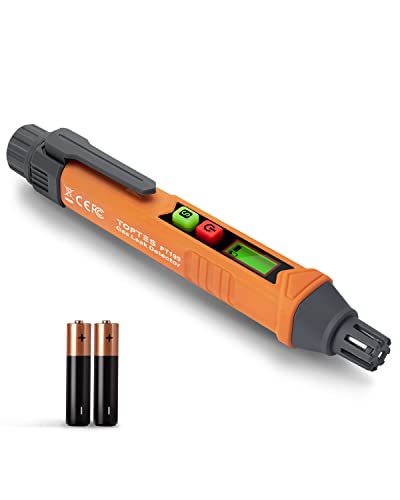 PT199 Natural Gas Leak Detector with Audible9.4/10View on Amazon
- 4
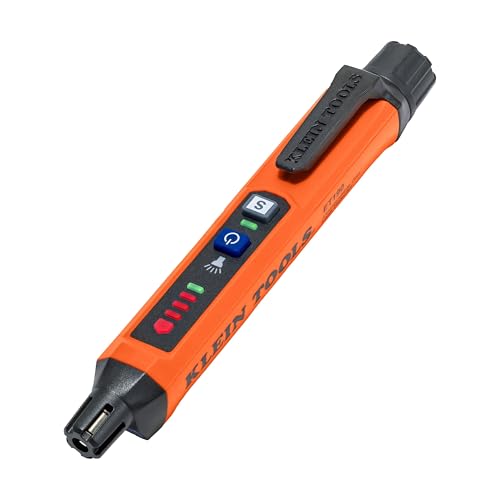 Klein Tools ET190 Compact Gas Leak Detector9.3/10View on Amazon
Fall prep ends with the stove lit and the house warm, and a gas fitting is one of the last things to check before the burning season settles in. A leak at a fitting can sit unnoticed, and the question comes up every year. Is there a propane leak detector? Yes, handheld detectors exist that sniff the air around a fitting and sound an alarm when gas is present, and this guide explains how they work and which of four fits a home or an RV.
FirewoodGearHQ earns a small commission if you buy through links on this page. The price you pay stays the same. Read our affiliate disclosure.
| # | Product | Woodlot Score | Buy |
|---|---|---|---|
| 1 | PT520A Natural Gas Detector | 9.6/10 | Buy on Amazon |
| 2 | Klein Tools ET120 Gas Leak Detector | 9.5/10 | Buy on Amazon |
| 3 | PT199 Natural Gas Leak Detector with Audible | 9.4/10 | Buy on Amazon |
| 4 | Klein Tools ET190 Compact Gas Leak Detector | 9.3/10 | Buy on Amazon |
PT520A Natural Gas Detector
A gas detector with a 17-inch gooseneck, a 50 to 10,000 ppm range and a 75dB alarm with 7 colored bars, with 3 AAA batteries and a case.
Pros
- 17-inch gooseneck reaches pipelines and tanks
- 50 to 10,000 ppm detection range
- Responds in 0.5 seconds with a 75dB alarm
- 3 AAA batteries and a protective case included
Cons
- Larger to carry than the pocket-sized detectors
- Warm-up takes 30 seconds in clean air before use
- 75dB alarm is quieter than the 85dB alarm on the ET120
- No low-battery indicator is stated
Klein Tools ET120 Gas Leak Detector
A gas detector with an 18-inch gooseneck, a 50 to 10,000 ppm range and an 85dB alarm with five red LEDs, with pouch and batteries included.
Pros
- 18-inch gooseneck reaches tight spots
- 50 to 10,000 ppm range, High and Low sensitivity
- 85dB alarm with five red LEDs
- Automatic zero-point calibration at power-up
Cons
- No warranty term is stated
- No mute button is stated
- 28.3 in long, so it takes the most storage room
- No colored bar display is stated, only five red LEDs
PT199 Natural Gas Leak Detector with Audible
A pocket-sized gas detector with a 50 to 1,000 ppm range, alarms within 0.5 seconds and a red LCD at high levels, with 2 AAA batteries included.
Pros
- Alarms within 0.5 seconds of detection
- LCD screen turns red when gas levels are high
- 2 AAA batteries and a storage bag included
- Low-battery indicator below 2.4V
Cons
- 50 to 1,000 ppm range is narrower than the 50 to 10,000 ppm range on the PT520A and ET120
- Auto power-off after 5 minutes without operation
- No gooseneck, so tight spots need the whole unit moved close
- No mute button is stated
Klein Tools ET190 Compact Gas Leak Detector
A slim, pocket-sized gas detector with a pen clip, dual sensitivity modes and a 30-second automatic zeroing.
Pros
- Slim and pocket-sized with a sturdy pen clip
- Dual sensitivity modes for pinpointing leaks
- 30-second automatic zeroing, no manual adjustment
- LED indicators and escalating audible tones
Cons
- No warranty term is stated
- No detection range in ppm is stated
- No gooseneck, so tight spots need the whole unit moved close
- LED indicators only, with no bar display
Is there a propane leak detector?
Yes. Handheld gas detectors sniff the air for combustible gas, including propane, methane, natural gas, butane and LPG, and they sound an alarm when gas is present. The TopTes PT199 and PT520A respond within 0.5 seconds, with alarms that rise with the gas concentration. A detector locates the leak so it can be fixed; it does not fix the leak itself. If an alarm sounds, leave the area and call a qualified gas professional.
How a propane leak detector works
Each detector carries a sensor that reacts to combustible gas in the air. Hold the sensor close to a fitting and move it along the joint, and the alarm sounds when gas reaches the sensor. The TopTes detectors (on Amazon) state a distance of 1 to 5 cm. The PT199 and PT520A respond within 0.5 seconds, and the PT199 LCD screen turns red when gas levels are high. The PT520A shows 7 colored bars, the ET120 shows five red LEDs, and the ET190 uses bright LED indicators with escalating audible tones. Warm-up takes 30 seconds for the PT199 and the PT520A, the ET190 runs a 30-second automatic zeroing at start-up, and the ET120 calibrates its zero point at power-up. The gooseneck models bend the sensor into tight spots, while the pocket models ride in a pocket or clip to one.
The gear: detectors that find the leak
Each detector below handles one part of the check: reaching the fitting, reading the gas level, or sounding an alarm you notice.
Choosing between a pocket detector and a gooseneck
The choice starts with where the fittings sit. The PT520A carries a 17-inch gooseneck and the ET120 an 18-inch gooseneck, so the sensor reaches tight spots while the body stays in hand. The PT520A reaches pipelines, storage tanks, gas fireplaces and basements. The PT199 and the ET190 are pocket-sized, so they suit a quick check around a stove, and the PT199 suits RV owners. On range, the PT520A and the ET120 read 50 to 10,000 ppm, the PT199 reads 50 to 1,000 ppm, and the ET190 states no range in ppm. On alarms, the ET120 sounds at 85dB and the PT520A at 75dB, both with visual bars or LEDs that rise with the gas level. All four include batteries in the box.
FAQ: wood, fire and gear
Can a propane leak detector find a leak in an RV?
Yes. The TopTes PT199 is listed as ideal for RV owners, and the PT520A is listed for home and RV use. Hold the sensor 1 to 5 cm from each fitting and move it slowly, since the alarm rises with concentration. Both run on AAA batteries, so keep spares on board.
How close must the sensor get to the leak?
The TopTes detectors state a detection distance of 1 to 5 cm, so the sensor is held close to the fitting and moved along it. The gooseneck models reach into tight spots without moving the whole unit. If the alarm stays silent at one fitting, move to the next.
What does the ppm range on a gas detector mean?
It is the gas concentration the detector reads, based on methane. The PT199 reads 50 to 1,000 ppm, while the PT520A and the ET120 read 50 to 10,000 ppm. A wider range covers larger concentrations, and the alarm rises as the reading climbs.
Do gas leak detectors need batteries?
Yes. The PT199 runs on 2 AAA batteries, the PT520A on 3 AAA batteries, and both include them in the box. The ET190 states batteries are included, and the ET120 includes batteries and a pouch. The PT199 also shows a low-battery indicator below 2.4V.
How long does a gas detector take to warm up?
The PT199 and the PT520A need 30 seconds of warm-up before detection starts, and the ET190 runs a 30-second automatic zeroing at start-up. The PT520A warms up in clean air. The ET120 calibrates its zero point at power-up instead.
More firewood guides
See the stove accessories hub for fittings, valves and alarms, how to use a propane tank, is there a gauge for propane tanks, and the best carbon monoxide detector for wood stove homes.