Cheap Outdoor Firewood Storage Ideas
Cheap outdoor firewood storage ideas that keep a woodpile dry and off the ground using racks, pallets, covers and a simple shed.

On this page
Top picks at a glance
As an Amazon Associate I earn from qualifying purchases.
- 1
 Buddeez Kingsford Pellet Dispenser with Flip Spout9.4/10View on Amazon
- 2
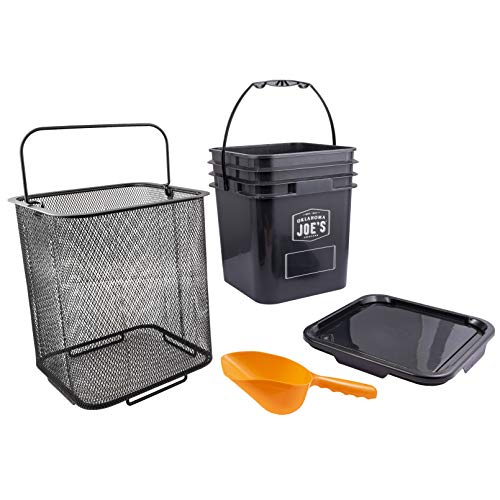 Oklahoma Joe's Pellet Bucket Kit9.5/10View on Amazon
When the leaves turn and the stove gets lit for the season, the woodpile moves to the front of the yard and to the front of the mind. A pile that sat all summer under the trees needs a dry home before the rain and snow arrive, and a pile that stays wet burns poorly, smokes, and leaves the house cold on the nights that matter. These cheap outdoor firewood storage ideas show how to keep firewood dry and off the ground with a rack, a pallet, a cover, or a small shed, starting with the cheapest fixes and working up to a shed.
FirewoodGearHQ earns a small commission if you buy through links on this page. The price you pay stays the same. Read our affiliate disclosure.
The quick answer
Cheap outdoor firewood storage starts with lifting the wood off the ground and covering the top while the sides stay open to the air. A simple rack or pallets under the pile, a cover over the top, and a sunny spot with moving air cover the basics. Spend the effort on airflow and a dry base, and dry wood stays ready to burn through the cold months.
Cheap outdoor firewood storage ideas for every yard
Find the dry corner of the yard, and put the woodpile there. The ideas below range from a rack that holds a modest pile to a shed that shelters the winter supply, and all of them keep the same rules in view: wood off the ground, rain off the top, air around the sides.
Start with a rack
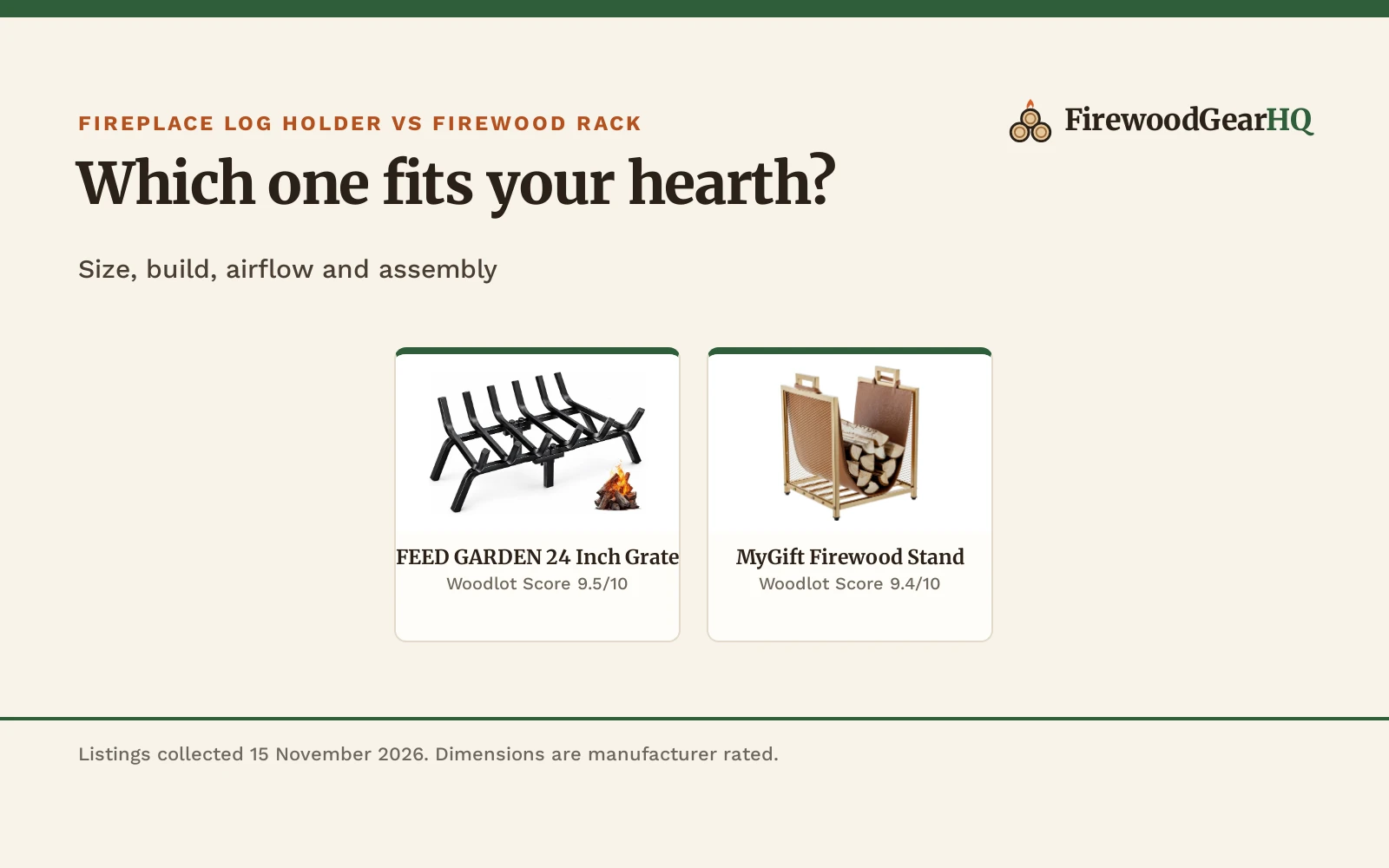
A rack is a simple way to hold a pile off the ground and keep it tidy. Steel tube racks and timber frames each do the job, and a rack with a cover keeps rain off the top layer while the open sides let air move through the stack. Look for a rack that fits the space beside the house or near the door, with feet that sit level on firm ground. See the best outdoor firewood rack guide and the cheap firewood rack guide for shapes and sizes that suit a small yard.
Pallets and scrap lumber
Wood pallets cost little or nothing from a yard or a store that wants them gone, and they make a sound base for a pile. Lay pallets flat on level ground, set the stack on top, and the wood stays clear of soil moisture and rot at the bottom row. Scrap lumber works the same way: lay lengths of board or offcuts across bearers to form a raised bed, then stack on top. Check that pallets are dry and free of spills before use, and skip any that smell of chemicals or oil.
Cover the top and leave the sides open
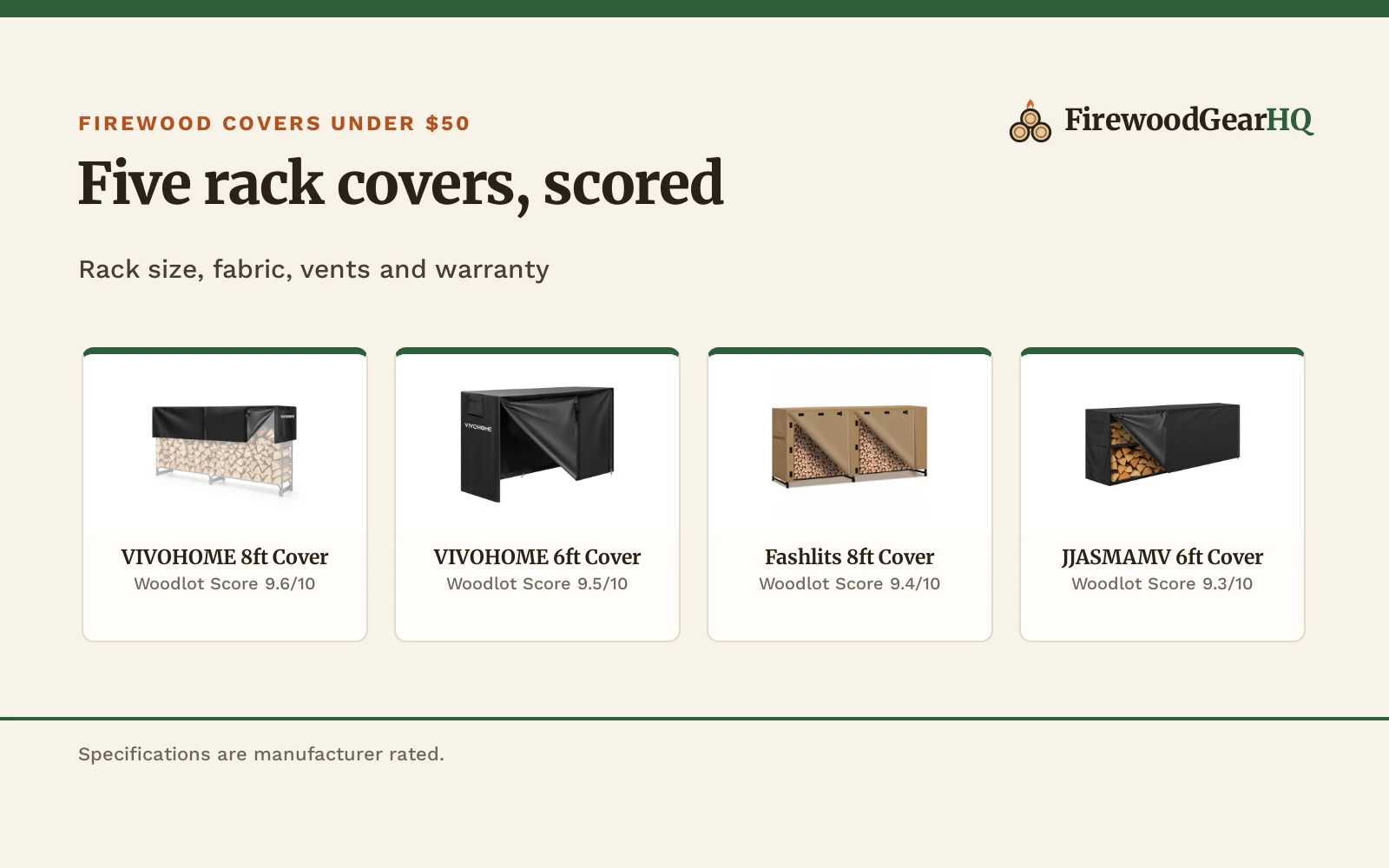
Rain and snow fall on the top of the pile, so the top is the part that needs a cover. A sheet of metal, a purpose-made rack cover, or a tarp pulled tight over the top layer shields the upper rows from rain while the open sides let wind carry moisture away. Fasten the cover against the wind, and let it hang past the edge of the pile so drips fall clear of the wood. Never wrap the whole pile in a tarp: a sealed stack traps damp air, and the wood can stay wet or grow mold under the cover. See the cover for firewood storage rack guide and the firewood cover vs tarp guide.
A shed or lean-to for the main pile
When the pile is large and the winters are wet, a shed or lean-to earns its keep. An open-front shed with a solid roof shields the pile from rain while the open sides keep air moving, and a lean-to against a wall or fence uses a structure that is already there. Build the floor from pallets or slats so the bottom row stays off the ground, and leave space between the stack and the back wall so air can pass. See the firewood shed outdoor with roof guide and the firewood shed vs rack guide.
Pick a sunny spot with moving air
Sun and wind dry wood faster than shade and still air, so place the pile where the sun reaches it through the day and the wind can pass along the rows. A south or west side of the yard suits most piles, and a spot near the door saves steps in bad weather. Keep the pile clear of low ground where rain pools and away from thick brush that holds damp air.
Where to put the pile
Put the main pile where the wood stays dry and the walk to the door stays short. A spot near the house suits daily use, yet the stack needs space from the wall so air can move through. Level ground matters: a rack or pallet base on a slope can shift as the pile is used, so pick flat ground and firm footing. For a porch pile, a small rack by the door holds wood for the evening fires while the main pile stays out in the yard. See the firewood rack for porch guide and the indoor vs outdoor firewood rack guide.
Keep the pile dry through the burning season
A dry pile needs care through the burning season, not just at stacking time. Check the cover after wind and snow, and refasten any edge that has come loose. Pull wood from the top of the pile or from the end that has had the longest time to dry, and restack any pieces that have slipped. Watch for signs of damp wood before it goes to the stove: ends that look dark and damp, bark that clings tight, and pieces that feel heavy for their size. A moisture meter gives a plain reading on a fresh split face, which the eye alone cannot. See the how to tell if firewood is seasoned guide and the how to season firewood fast guide.
Mistakes that leave wood wet
- Wood on bare soil: the bottom row soaks up ground moisture and rots, so always lift the pile onto a rack, pallets or slats.
- A tarp wrapped tight: a sealed cover traps damp air and the pile stays wet, so cover the top and leave the sides open.
- A shaded corner: a pile in deep shade dries slowly, so move it to sun and wind where the air can reach it.
FAQ: wood, fire and gear
Can firewood be stored on the ground?
No. Wood that rests on soil draws moisture from below, and the bottom row rots. Lift the pile onto a rack, pallets or slats so air can move underneath.
Should firewood be covered?
Cover the top of the pile and leave the sides open. A cover over the top shields the upper rows from rain and snow, while open sides let wind carry moisture away. A tarp that wraps the whole pile traps damp air, so fasten it over the top and let the sides breathe.
How can firewood stay dry without a shed?
Set the pile on pallets or a rack in a sunny spot, cover the top with a sheet of metal or a rack cover, and leave the sides open to the wind. A tarp pulled tight over the top layer does the same work when a cover is not at hand.
Where should a firewood rack go?
Put it on level ground in a sunny spot near the door, with space behind it for air to move. Keep it clear of low ground where rain pools and away from walls that block the wind.
Can firewood be stored indoors?
Bring indoors only the wood for the fires ahead and keep the main pile outside. A large indoor pile can bring in damp and insects with the bark, so check each piece as it comes in and keep the indoor stack small and near the stove. See the can you bring firewood indoors guide.
More firewood guides
See the firewood storage hub, the best firewood racks with covers and the best firewood rack for a full cord. Also see the firewood rack outdoor with cover. Also see the best wood rack covers. Also see the metal vs wood firewood rack. Also see the firewood rack dimensions. Also see the best firewood cover for heavy snow.