Wood Burning Stove vs Multi Fuel: Which One Should You Buy?
Wood-only or multi-fuel? What each stove type burns, when flexibility matters, and which to buy, with figures from current stove and fuel listings.

On this page
Top picks at a glance
As an Amazon Associate we earn from qualifying purchases.
- 1
 OneTigris Tiger Roar Tent Stove9.6/10View on Amazon
- 2
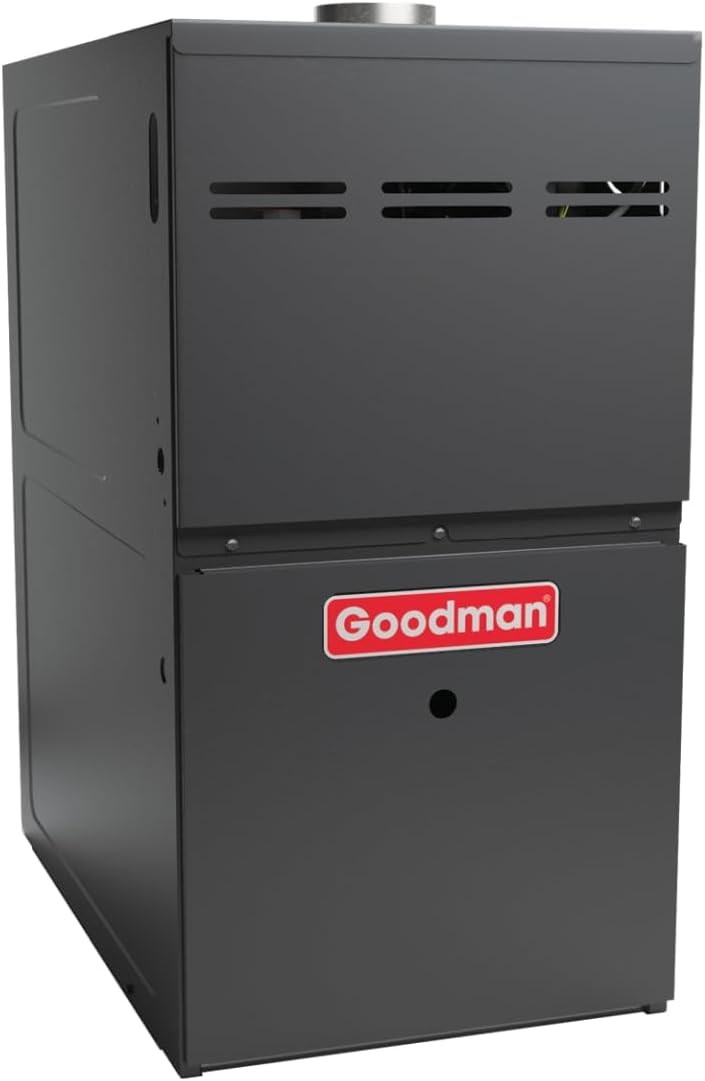 Goodman 809.4/10View on Amazon
- 3
 VEVOR Camping Wood Stove Alloy Steel Camping Tent Stove9.6/10View on Amazon
- 4
 Magnetic Stove Temperature GaugeView on Amazon
- 5
 Wood Stove Thermometer MagneticView on Amazon
- 6
 2PCS Wood Stove Thermometer Magnetic for Wood Burning StoveView on Amazon
- 7
 Magnetic Wood Stove Thermometer with Large DialView on Amazon
- 8
 REDCAMP Wood Burning Folding Camp Stove Stainless Steel GridView on Amazon
- 9
 Ecofan UltrAir Heat Powered Stove FanView on Amazon
Wood burning stove vs multi fuel is a question of fuel flexibility. A wood burning stove burns wood and nothing else, while a multi-fuel stove burns wood plus other fuels: the Firebox Nano listing names wood, gas, alcohol and gel. The short answer: choose a wood-only stove if you have a steady wood supply and want the simplest setup; choose multi-fuel if you want backup options when wood runs short or you travel. The listings here illustrate both sides: gel cans, bioethanol and wood pellet packs on the fuel side, and multi-fuel camp stoves and wood tent stoves on the hardware side.
More options to compare
 Magnetic Stove Temperature GaugeCheck price on Amazon
 Wood Stove Thermometer MagneticCheck price on Amazon
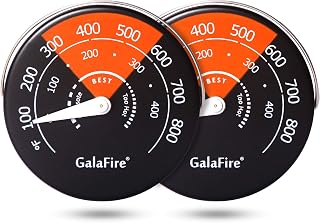 2PCS Wood Stove Thermometer Magnetic for Wood Burning StoveCheck price on Amazon
 Magnetic Wood Stove Thermometer with Large DialCheck price on Amazon
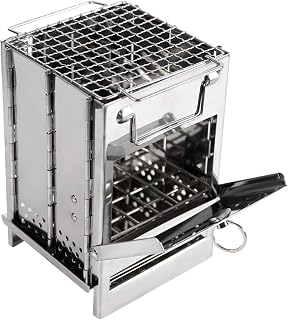 REDCAMP Wood Burning Folding Camp Stove Stainless Steel GridCheck price on Amazon
 Ecofan UltrAir Heat Powered Stove FanCheck price on Amazon
FirewoodGearHQ may earn a small commission if you buy through links on this page. The price you pay stays the same. Read our affiliate disclosure.
The quick answer
Burn wood you cut yourself and a wood-only stove is the simplest, cheapest heat. Want options? A multi-fuel stove keeps you burning when the woodpile runs low. The Firebox Nano listing names its fuels directly: wood, gas, alcohol and gel, with additional accessories sold separately. Match the stove to your fuel reality, not to the longest fuel list.
| Aspect | Wood burning stove | Multi-fuel stove |
|---|---|---|
| Fuels | Wood only | Wood plus others (per listing) |
| Complexity | Simplest setup | More parts and accessories |
| Listing examples | YRenZ and Vrygle tent stoves | Firebox 5 inch and Nano stoves |
| Backup when wood runs out | None | Switch fuels |
What a wood burning stove burns
Wood, and the listings are specific about doing it right. The Vrygle tent stove listing says to always use dry firewood only, warning that wet or fresh wood creates excessive smoke and hurts combustion. Its kit shows what a wood stove needs around it: a stove body, ash scraper, fire grate, 6 detachable chimney pipes reaching up to 73.23 inches, a spark arrestor, an adjustable airflow damper, plus stakes and ropes. The YRenZ tent stove pairs its wood firebox with an oven, stainless steel construction, anti-slip feet, and accessories including a temperature gauge, smoke pipe, control valves, gloves and hooks. Wood-only means one fuel to source, stack and season, and every accessory serves that fuel.
What multi-fuel means
Multi-fuel means the stove is designed to burn more than wood. The Firebox Nano listing is explicit: wood, gas, alcohol and gel, with multi-fuel versatility through additional accessories sold separately. It needs no assembly, uses a hinged construction, and its cross-feed wood fuel delivery adjusts to fit small cups or large pans. The larger Firebox 5 inch camp cook stove is also sold as wood burning and multi-fuel, with a hinged damper for extra exhaust capacity, a boil figure of 2 cups of water as fast as 2:40, and a Swedish Torch method the listing says gives over an hour of cook time with no fire management. Flexibility has a price: more accessories, more to learn, more to carry.
Wood burning stove vs multi fuel: which should you buy?
Choose a wood burning stove if your fuel is settled: you cut, split and season your own wood, and you want the simplest stove with the fewest parts. The tent stove listings show that shape well: a wood firebox, a tall chimney, and dry wood. Choose multi-fuel if your fuel situation varies: you camp where wood may be wet or scarce, or you want gel or alcohol as a backup. The Firebox listings make the trade clear: the Nano burns four fuels but needs separately sold accessories for the full range. For the stove itself, see our wood stoves guides, and for everything around it, stove accessories.
The fuel listings: what they show
The fuel listings put numbers on the alternatives. Real Flame gel cans hold 13 ounces each in a 12-pack, produce up to 3000 BTUs per can, and burn up to 3 hours; the gelled isopropyl alcohol burns with no soot, ashes or smoke, for indoor or outdoor fireplaces. Roundfire bioethanol comes as 6 one-liter bottles of 96 percent ethanol, smokeless, odourless and ash free, for bioethanol fireplaces, burners and stoves. TIKI wood pellet packs come 2 to a pack, light with a single match, reach a full steady fire in under 5 minutes, and each pack measures 11.25 by 11.75 by 15.5 inches for smokeless fire pits. The gel cans and bioethanol match fuels the Nano names; the TIKI packs are fire-pit fuel. Check each against your own stove’s stated fuel list before treating it as a backup.
What this guide does not cover
This guide compares stove types by fuel. It does not cover sizing a stove to a room, chimney installation or clearances: take those from the stove maker and local codes before buying. Every stove guide on the site is collected in our wood stoves section.
Buying advice: matching stove and fuel to the trip
Weigh the stove against how it travels. The Firebox Nano kit lists 3 by 2.97 by 5 in at 9 ounces: a pocket-size stove for backpacking where every ounce matters. The Vrygle tent stove lists 14 lb and the YRenZ 7 kg: car-camping weights that ride fine to a wall tent but never onto a trail. Pick the stove for the transport, then pick the fuel.
Count burn time against the trip. Real Flame gel cans state up to 3 hours per 13-ounce can in a 12-pack, so an evening of fires takes a few cans; Roundfire bioethanol comes as 6 x 1-liter bottles of 96 percent ethanol for refills; TIKI wood pellet packs state 30+ min burn per pack in a 2-pack for fire-pit starts. Match the fuel quantity to the nights out, and remember gel cans cannot be returned once purchased, per the listing.
Break in a new steel stove before trusting it. The Vrygle listing says to burn the stove outdoors for about 30 min on the initial burn, never inside a tent, and to let it cool for at least 1 hour before moving. It also carries a 1-year warranty. A carbon monoxide detector in the tent is the listing’s own safety advice, and dry wood only: wet wood makes the smoke the chimney is meant to vent.
Frequently Asked Questions
Can a multi-fuel stove burn wood pellets?
It depends on the stove’s design: the Firebox Nano lists wood, gas, alcohol and gel with accessories sold separately. Check the maker’s fuel list before assuming pellets.
How long does a gel fuel can burn?
The Real Flame listing states up to 3 hours per 13-ounce can, at up to 3000 BTUs.
What comes with a tent stove?
The Vrygle kit lists a stove body, ash scraper, 6 chimney pipes, fire grate, spark arrestor, gloves, ash hook, stakes and ropes. The YRenZ lists a temperature gauge, smoke pipe, control valves, gloves and hooks.
Do I need dry wood?
Yes. The Vrygle listing says to always use dry firewood only, warning that wet or fresh wood creates excessive smoke and affects combustion.
Related guides
See every wood stoves guide and stove accessories picks.