Ripping Chain vs Crosscut Chain: Which One Should You Buy?
How ripping chains and crosscut chains differ in tooth design, cutting speed and grain direction, and which saw chain to choose for milling lumber or bucking logs.

On this page
Top picks at a glance
As an Amazon Associate we earn from qualifying purchases.
- 1
 Granberg G778-36 Alaskan MKIV Chainsaw Mill9.7/10View on Amazon
- 2
 KAKEI Chainsaw Chain 16 Inch 3/8" LP Pitch .043" Gauge 559.7/10View on Amazon
- 3
 OREGON 72RD084G 84 Drive Link 3/8-Inch Ripping Saw Chain9.7/10View on Amazon
- 4
 8TEN Ripping Chainsaw Chain 20" Bar .058 Gauge 3/8 Pitch 72DLView on Amazon
- 5
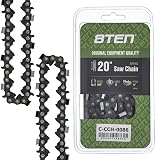 8TEN Ripping Chainsaw Chain 20" Bar .050 Gauge 3/8 Pitch 70DLView on Amazon
- 6
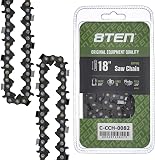 8TEN Ripping Chainsaw Chain 18" Bar .050 Gauge .325 PitchView on Amazon
- 7
 8TEN Ripping Chainsaw Chain 36" Bar .063 Gauge 3/8 PitchView on Amazon
- 8
 8TEN Ripping Chainsaw Chain 18" Bar .050 Gauge 3/8 Pitch 68DLView on Amazon
- 9
 8TEN Ripping Chainsaw Chain 24" Bar .050 Gauge 3/8 Pitch 84DLView on Amazon
When fall cutting season arrives and fallen timber sits across your woodlot, choosing between a ripping chain vs crosscut chain comes down to grain direction and your cutting goal. Crosscut chains are made for bucking firewood rounds and felling trees across the wood grain, clearing chips quickly and cutting fast. Ripping chains are designed specifically for chainsaw milling along the wood grain, slicing parallel to the fibers to produce smooth, uniform boards. For standard firewood processing and log bucking, choose a crosscut chain, while a ripping chain serves lumber milling.
More options to compare
 8TEN Ripping Chainsaw Chain 20" Bar .058 Gauge 3/8 Pitch 72DLCheck price on Amazon
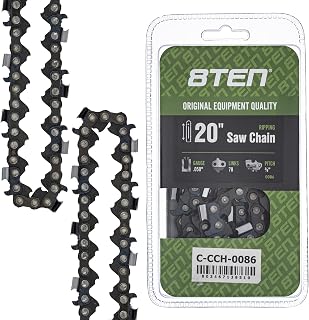 8TEN Ripping Chainsaw Chain 20" Bar .050 Gauge 3/8 Pitch 70DLCheck price on Amazon
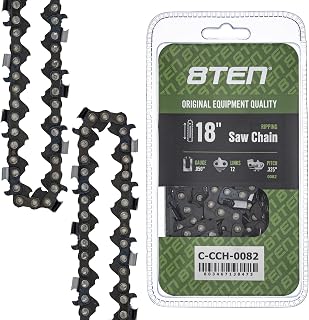 8TEN Ripping Chainsaw Chain 18" Bar .050 Gauge .325 PitchCheck price on Amazon
 8TEN Ripping Chainsaw Chain 36" Bar .063 Gauge 3/8 PitchCheck price on Amazon
 8TEN Ripping Chainsaw Chain 18" Bar .050 Gauge 3/8 Pitch 68DLCheck price on Amazon
 8TEN Ripping Chainsaw Chain 24" Bar .050 Gauge 3/8 Pitch 84DLCheck price on Amazon
FirewoodGearHQ may earn a small commission if you buy through links on this page. The price you pay stays the same. Read our affiliate disclosure.
The quick answer: ripping chain vs crosscut chain
Wood fibers run lengthwise through a log. A standard crosscut chain cuts across the grain with teeth filed at a steep angle, severing fibers on both sides of the kerf and clearing large wood chips. A ripping chain is filed for cutting parallel to the wood grain on a chainsaw mill. Its teeth have a shallow, flatter angle ground nearly square across the edge, acting like miniature plane irons that shave thin ribbons. Milling with a crosscut chain produces rough boards and clogging debris, while bucking firewood with a ripping chain cuts slowly and overheats the bar.
Ripping chain vs crosscut chain comparison table
| Feature | Ripping Chain | Crosscut Chain |
|---|---|---|
| Primary cutting task | Milling lumber along the wood grain | Bucking firewood and felling trees across the grain |
| Cut direction | Parallel to wood fibers (lengthwise) | Perpendicular to wood fibers (crosswise) |
| Cutter filing angle | Shallow, flatter angle across the cutting edge | Steep, aggressive angle across the cutter face |
| Waste material produced | Fine, powdery sawdust | Large, curled wood chips and shavings |
| Surface finish | Smooth, board-ready face with minimal marks | Rougher cut surface with visible kerf lines |
| Cutting behavior along grain | Controlled, smooth shaving action; slower cut | Aggressive, rough gouging; prone to clogging noodles |
| Cutting behavior across grain | Inefficient scraping; very slow for bucking | Fast, clean severing of fibers |
Match your chain to the cut direction to avoid dulling cutters, wasting fuel and straining your saw engine.
Key differences between ripping and crosscut chains
Both chain styles fit standard bars and sprockets, but their cutter geometry and cutting action differ sharply.
Tooth filing angle and cutter geometry
The main difference is the top-plate angle. Crosscut chains use a steep angle across the cutter face to slice wood fibers across the grain cleanly. Ripping cutters are sharpened with a flatter top-plate angle, ground nearly square across the cutting edge, which planes wood fibers lengthwise rather than digging in.
Cutting along the grain versus across the grain
Cutting across a log severs end-grain fibers, where crosscut teeth slice both sides of the kerf so chips eject freely. Milling lengthwise travels along fiber bundles. A crosscut chain grabs these strands and tears long ribbons, while a ripping chain shaves wood smoothly layer by layer.
Waste output: fine sawdust versus large chips
Crosscutting throws thick, curled chips. Ripping along the grain produces fine, powdery sawdust. Because fine dust absorbs oil quickly, keep bar oil flowing with a quality best bar and chain oil to prevent rail clogging and overheating.
Surface finish and cutting speed
Crosscut chains prioritize speed across the grain, leaving rough surfaces suitable for firewood. Ripping chains leave a smooth, flat board face with minimal chatter, though the shallow angle cuts slower than crosscutting.
Chainsaw engine strain and heat buildup
Milling puts continuous drag on your saw. A crosscut chain used along the grain grabs aggressively and bogs the motor, while a ripping chain takes uniform shavings that keep engine revolutions steady. Always wear complete safety gear, including chaps, helmet with face screen, hearing protection, boots and gloves, as outlined in our chainsaw safety gear checklist, and never cut alone.
How to choose the right saw chain for your work
For standard firewood bucking, clearing blowdowns and limbing, choose a crosscut chain. It cuts rapidly across the grain and clears wood chips easily. If you need a saw for cutting cords, see our guide to the best chainsaw for firewood and compare replacement loops in our best chainsaw chain guide.
If you run a chainsaw mill to produce boards or beams, choose a ripping chain. It tracks straight, reduces chatter and leaves a smooth lumber face. Pair it with picks from our best chainsaw mill review and matching saws in the best chainsaw for milling logs.
Always verify your guide bar pitch, gauge, and drive link count on your bar stamp before buying. For sizing guidance, see what chainsaw chain do I need.
What happens if you use the wrong chain
Using a crosscut chain on a mill pulls long, fibrous ribbons that wrap around the sprocket and jam the clutch cover. The bar vibrates violently, wanders off line, leaves wavy boards, and overheats the engine.
Attempting to buck firewood with a ripping chain slows cutting to a crawl. The flat cutters cannot sever fibers across the grain cleanly, creating friction and fine dust rather than chips. Cutters dull quickly from heat buildup. If your chain loses its edge or pulls off line, see how often should you sharpen a chainsaw chain and why does my chainsaw cut crooked.
Full-chisel, semi-chisel, and skip-tooth options
Beyond grind angles, saw chains vary in cutter profiles. For tooth details, see our guide on full chisel vs semi chisel chain.
In published reference listings, maker 8TEN supplies ripping chains for 18 inch, 20 inch, and 36 inch bars, with .325 inch and 3/8 inch pitch and counts of 68, 70, 72, and 115 drive links. For its 36 inch bar, 8TEN specifies a full chisel skip tooth pattern and a weight of 3.1 pounds for a 3 pack, backed by an 810-Day Limited Warranty. On an 18 inch bar, its 3 pack lists at 1.8 pounds. Skip tooth spacing reduces engine drag in wide timber.
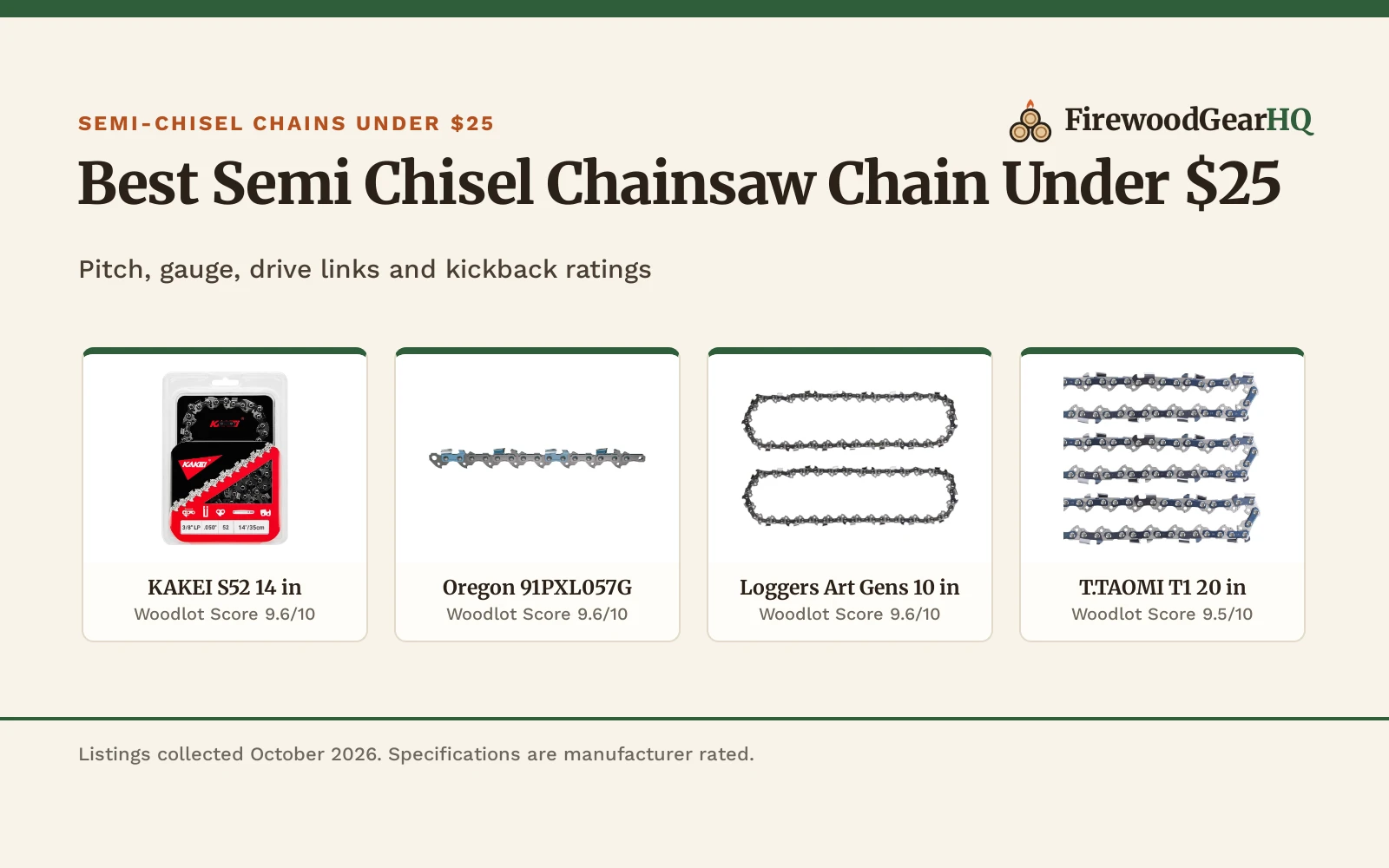
For crosscut tasks, FUNKYWOO lists semi-chisel chains for a 20 inch bar with 80 drive links in a 4 pack. Husqvarna specifies an 18 inch semi-chisel chain with 72 drive links. KAKEI lists full-chisel chains for 20 inch bars with 78 drive links in a 3 pack and 80 drive links in a 1 pack. Oregon lists an 18 inch micro-chisel replacement chain with 68 drive links for chainsaws from 38 to 62 cc. Note that Oregon’s listing title specifies an 18 inch bar with 68 drive links and .063 inch gauge, while its specification table mentions 62 drive links and .050 inch gauge.
Frequently Asked Questions
Can I use a crosscut chain on a chainsaw mill?
You can, but it produces poor lumber. Crosscut teeth tear long fibers rather than planing them, causing heavy vibration, rough wavy boards, and clogged clutch covers. A ripping chain cuts smoother with far less chatter.
Can I buck firewood rounds with a ripping chain?
Avoid bucking firewood with a ripping chain. Its shallow angle cannot sever fibers across the grain efficiently, cutting very slowly, generating fine dust instead of chips, and overheating the guide bar.
What is the main difference between ripping chain and crosscut chain?
The cutter filing angle. Crosscut chains use steep angles to sever fibers across the log, while ripping chains use flat angles to shave wood parallel to the grain for smooth boards.
Does a ripping chain cut faster than a crosscut chain?
No. A ripping chain cuts slower, even along the grain. It takes smaller, shallower shavings to prevent chatter and produce smooth lumber rather than aggressive, rough cuts.
Do ripping chains require more chainsaw power?
Milling along the grain keeps the bar buried continuously, creating sustained engine load. While a ripping chain reduces grabbing, long milling passes demand steady power and generous bar lubrication.
Related guides
See our chainsaw gear hub, the best chainsaw chain comparisons and the best chainsaw chain for ripping logs. Milling your own timber? Review the best chainsaw mill and the best chainsaw for milling logs. Cutting firewood for the winter woodpile? Choose the best chainsaw for firewood and keep cutters cutting straight with the best chainsaw sharpener and quality best bar and chain oil. Also see our full chisel vs semi chisel chain. Also see our what chainsaw chain do I need. Also see our how often should you sharpen a chainsaw chain. Also see our why does my chainsaw cut crooked. Also see our chainsaw safety gear checklist. Also see our best semi chisel chainsaw chain. Also see our best chainsaw chain for hardwood. Also see our best 18 inch chainsaw chain. Also see our best chainsaw chain for dirty wood. Also see our chainsaw types. Also see our best chainsaw gloves. Also see our best chainsaw chaps.