Magnetic vs Probe Stove Thermometer: Which One Should You Buy?
Magnetic vs probe stove thermometer: compare surface readings against flue gas readings and pick the right monitor for your wood stove.

On this page
Top picks at a glance
As an Amazon Associate we earn from qualifying purchases.
- 1
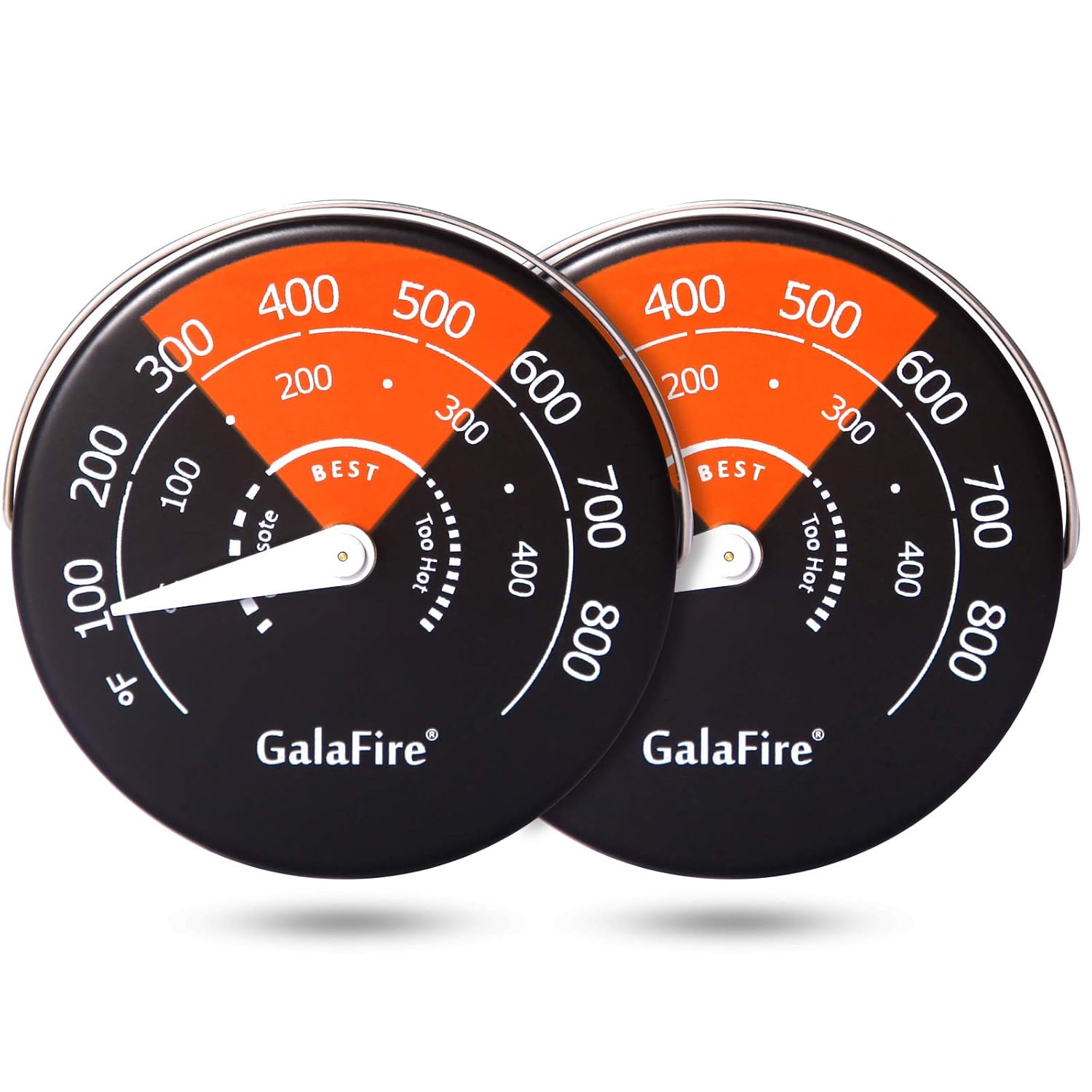 2PCS Wood Stove Thermometer Magnetic for Wood Burning Stove9.7/10View on Amazon
- 2
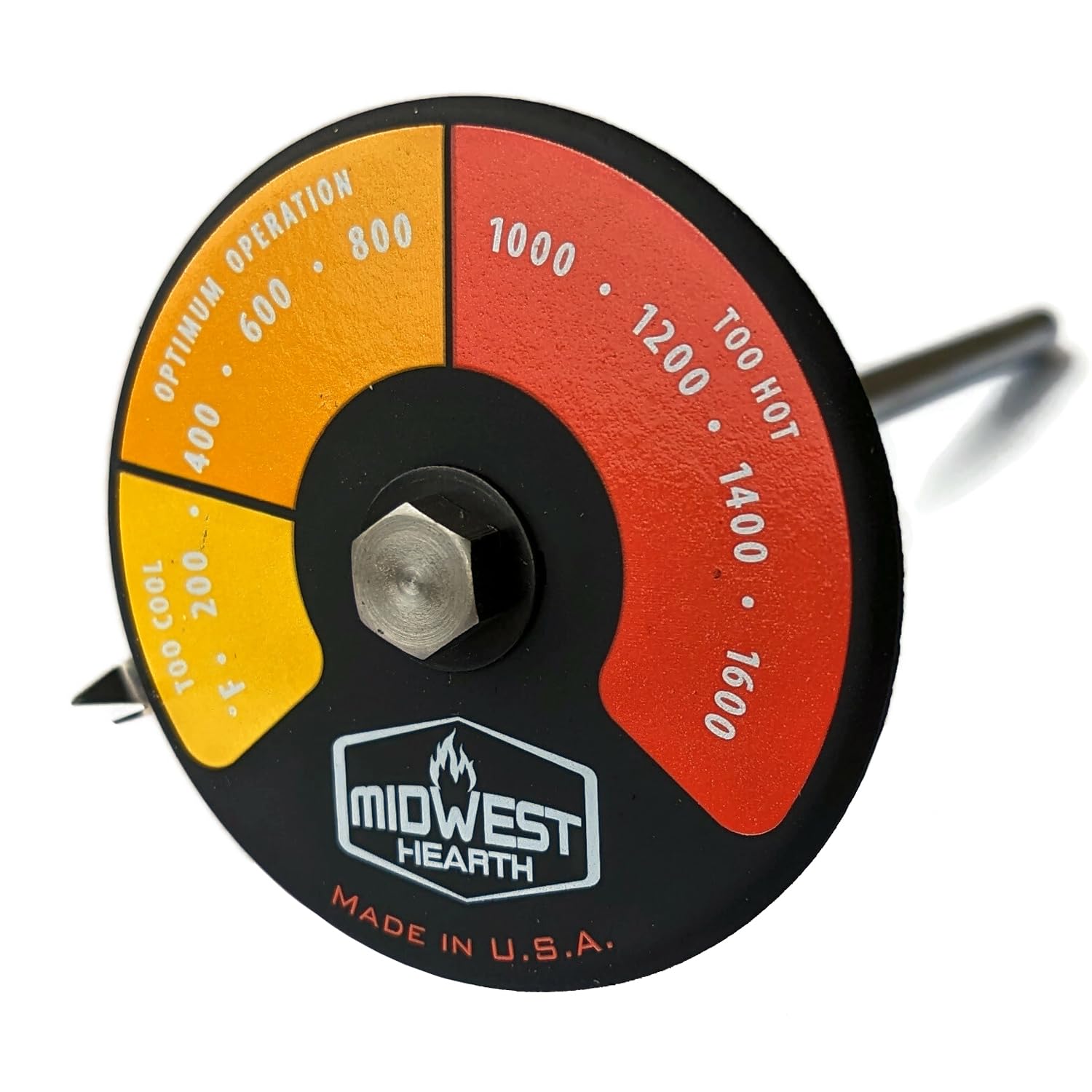 Midwest Hearth Wood Stove Probe Thermometer for Double Wall9.7/10View on Amazon
- 3
 Dutchwest stove catalytic probe thermometer9.4/10View on Amazon
- 4
 Hanaoyo Wood Stove Thermometer with Large DialView on Amazon
- 5
 Wood Stove Thermometer MagneticView on Amazon
- 6
 2 Pieces Magnetic Wood Stove ThermometerView on Amazon
- 7
 Magnetic Fireplace ThermometerView on Amazon
- 8
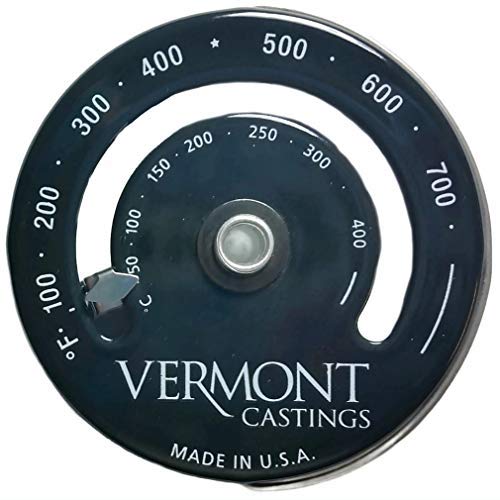 Vermont Castings Magnetic Wood Stove Thermometer Brand:View on Amazon
- 9
 Magnetic Stove Temperature GaugeView on Amazon
Magnetic vs probe stove thermometer, the direct answer: a magnetic thermometer sticks to the stove surface and reads surface temperature, which suits quick, everyday monitoring. A probe thermometer sits inside the flue and reads flue gas temperature, which suits precise draft and creosote management. Both keep a wood stove in its safe range; the choice comes down to where you want the reading from.
More options to compare
 Hanaoyo Wood Stove Thermometer with Large DialCheck price on Amazon
 Wood Stove Thermometer MagneticCheck price on Amazon
 2 Pieces Magnetic Wood Stove ThermometerCheck price on Amazon
 Magnetic Fireplace ThermometerCheck price on Amazon
- Vermont Castings Magnetic Wood Stove Thermometer Brand:Check price on Amazon
 Magnetic Stove Temperature GaugeCheck price on Amazon
FirewoodGearHQ may earn a small commission if you buy through links on this page. The price you pay stays the same. As an Amazon Associate I earn from qualifying purchases. Affiliate disclosure.
Magnetic vs probe stove thermometer: the short version
A stove thermometer keeps your burn in the efficient zone and out of the danger zone. The two types read temperature from different places:
Magnetic thermometers attach to the stove top, the stove side, or a single wall flue with a strong magnet. They read surface temperature: how hot the metal is. The Hanaoyo example has a 3.34 inch dial marked in three zones, CREOSOTE, BEST OPERATION and TOO HOT, with a 100 to 900 degree Fahrenheit range and 10 degree resolution. The Xmasneed example answers in about 60 seconds, needs no battery, and reads 100 to 900 degrees Fahrenheit. Placement is flexible: top, side or flue.
Probe thermometers go through the flue pipe wall into the gas stream. They read flue gas temperature directly, which responds faster to changes in the burn than surface metal does. They suit double-wall flue where a magnet has nothing to stick to, and anyone managing draft closely.
What a magnetic thermometer does well
Simplicity is the whole pitch. Stick it on, read it, move it. The magnet on the Hanaoyo example holds it to the top or side of the stove or a single wall flue, so you can try positions until the reading matches your burn habits. The large 3.34 inch dial reads from across the room, and the color-coded zones make the verdict instant: creosote means the burn is too cool and deposits are building, best operation is the target, too hot means back the air down.
No installation means no tools and no hole in the flue. The Xmasneed example needs no battery and answers in about 60 seconds. Two-packs like the Hanaoyo and the 2-piece set let you watch the stove top and the flue at once, which is the closest a magnetic setup gets to a probe reading: two surface points tell you how heat moves through the system.
Where a magnetic thermometer falls short
Surface temperature lags the fire. The stove body is a big thermal mass, so the dial moves slower than the burn itself. On a hot start the flue gas can be much hotter than the surface reads, and on a dying fire the surface stays warm after the gases cool. The magnet also limits placement: it needs a flat steel surface, so double-wall flue and non-magnetic stove parts are out.
Resolution is coarse by design. A 10 degree resolution on a 100 to 900 degree dial is plenty for zone monitoring, but it will not show small draft changes the way a probe in the gas stream can.
What a probe thermometer does well
A probe reads the gas, not the metal. Flue gas temperature is the direct measure of what the chimney sees, so a probe shows creosote risk and overfire risk earlier and more precisely than a surface dial. It works on double-wall flue where magnets cannot attach, and it stays in one calibrated position rather than being moved around.
For anyone learning draft control, the probe is the teacher: small air adjustments show up as gas temperature changes long before the stove body catches up.
Where a probe thermometer falls short
Installation is the price. A probe needs a hole through the flue wall, which means drilling and a fitting, and it stays where you put it. Move it and you have a hole to plug. It reads one point in the gas stream, so it tells you nothing about the stove top temperature.
Side by side
| Magnetic | Probe | |
|---|---|---|
| Reads | Surface temperature | Flue gas temperature |
| Install | Stick on, no tools | Drill through flue wall |
| Placement | Top, side or single wall flue | Fixed in flue |
| Response | Slower, about 60 seconds on the example | Faster, reads the gas directly |
| Best for | Everyday zone monitoring | Draft and creosote management |
Which one should you buy
Buy a magnetic thermometer if you want the reading with no work: stick the Hanaoyo 3.34 inch dial on the stove top, watch the three zones, and burn in the best operation band. A two-piece set covers the stove and the flue at once.
Buy a probe thermometer if you run double-wall flue, if you are learning draft control, or if creosote management is the priority. The gas reading is the honest one.
For many wood burners, the answer is both: a magnetic dial on the stove top for the everyday glance, and a probe in the flue for the real number. The magnetic example reads 100 to 900 degrees Fahrenheit with 10 degree resolution; the probe tells you what the chimney is actually breathing.
Wood above about 20% moisture burns cooler and smokier and builds creosote in the chimney faster. Split a piece and measure the fresh face, not the weathered outside. See EPA Burn Wise. Read our Safety Disclaimer.
Frequently Asked Questions
Where do I put a magnetic stove thermometer?
On the stove top, the stove side, or a single wall flue. Try positions until the reading matches your burn habits.
What do the three dial zones mean?
Creosote means the burn is too cool and deposits are building; best operation is the target band; too hot means reduce the air.
Can a magnetic thermometer go on double-wall flue?
No. The magnet needs a flat steel surface, so double-wall flue needs a probe instead.
How fast does a magnetic thermometer respond?
The example answers in about 60 seconds. Surface readings lag the fire; a probe in the gas stream is faster.
Do I need both types?
Not necessarily. A magnetic dial suits everyday monitoring; a probe suits draft control and creosote management. Many burners use both.
Related guides
For the stoves they monitor, see our wood stoves guides and all stove accessories guides.