How to Use Dutch Oven for Bread
How to use dutch oven for bread over coals or in the oven: preheat the pot, line it with parchment, bake with the lid on, and care for the iron after.

On this page
Top picks at a glance
As an Amazon Associate I earn from qualifying purchases.
- 1
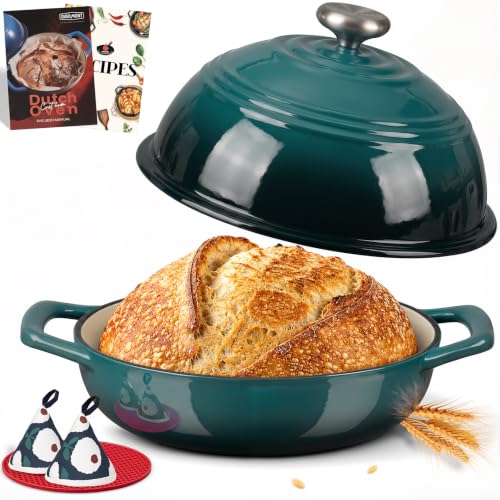 Overmont Enameled Cast Iron Dutch Oven9.7/10View on Amazon
- 2
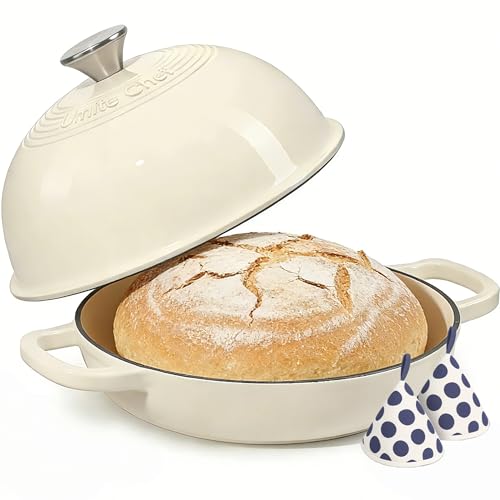 Enameled Round Cast Iron Bread Oven9.5/10View on Amazon
- 3
 Wildone Enameled Cast Iron Dutch Oven Pot with Lid9.5/10View on Amazon
The woodpile is stacked, the fire is down to a bed of coals, and there is dough proofing on the counter that deserves better than a plain loaf pan. A heavy cast iron pot with a tight lid turns those coals into a small oven. Learning how to use dutch oven for bread comes down to a simple order of work: preheat the pot, line it, add the dough, bake with the lid on, and let the loaf cool before slicing.
FirewoodGearHQ earns a small commission if you buy through links on this page. The price you pay stays the same. Read our affiliate disclosure.
The quick answer
To bake bread in a Dutch oven, preheat the empty pot and its lid until the iron is evenly hot, line the pot with parchment, lower the shaped dough in on the parchment, cover with the lid, and bake until the crust is deep golden and the loaf sounds hollow when tapped. The lid traps steam from the dough, which keeps the surface supple long enough for the loaf to rise before the crust sets. That trapped steam is the main reason the pot works: it imitates the steam of a bakery oven without any special equipment. Near the end of the bake, taking the lid off lets the crust dry and color. The same method works in a home oven, on a grill, or over campfire coals, because the iron holds and spreads the heat either way.
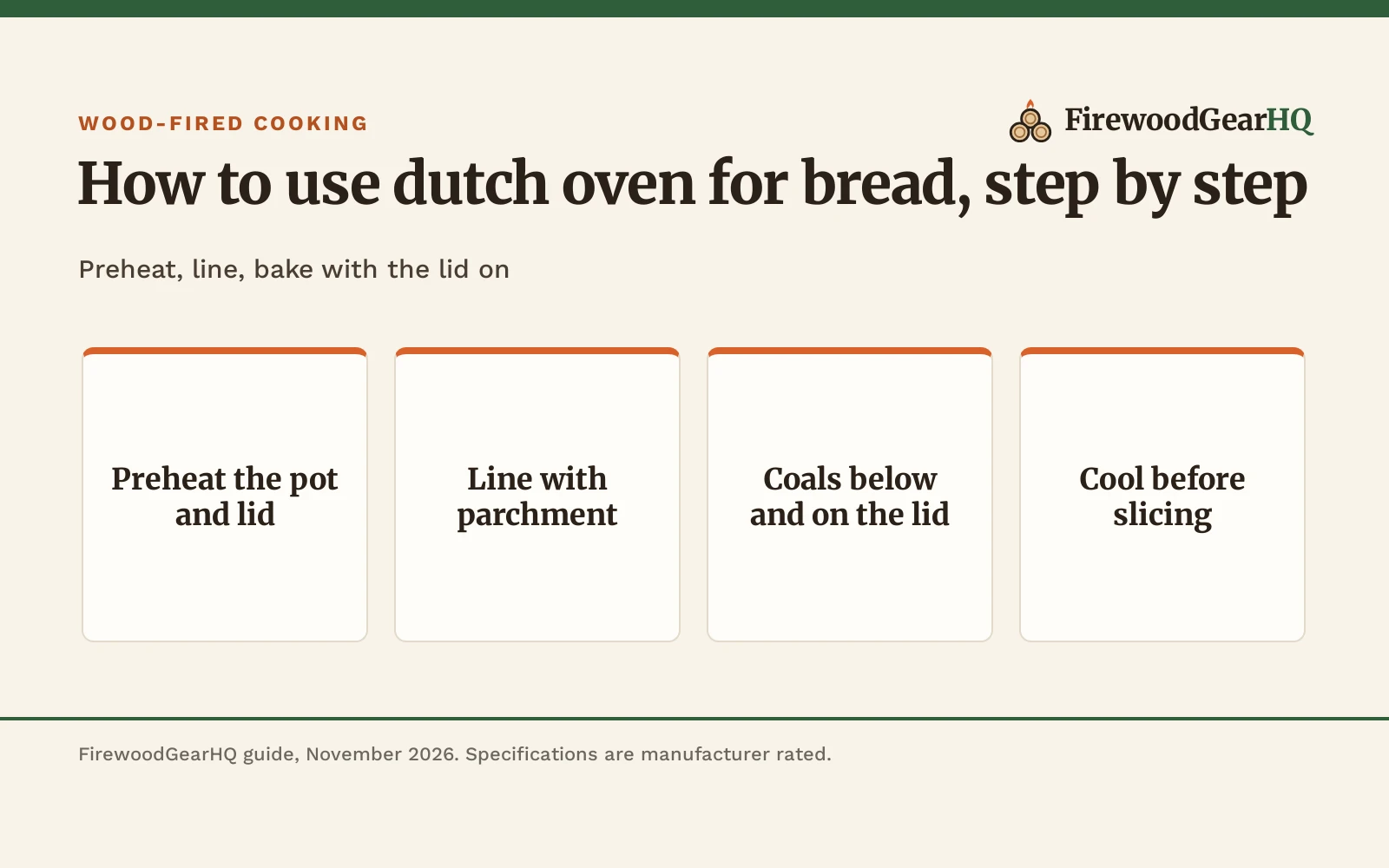
How to use dutch oven for bread, step by step
Preheat the pot and the lid
Put the empty Dutch oven and its lid into the heat source you plan to bake with and let the iron come up to temperature evenly. Cast iron is slow to heat and slow to cool, so a fully preheated pot gives the dough a steady push of heat from the moment it lands. Lodge describes its seasoned cast iron as helping reduce hot spots and retain heat for consistent results, which is exactly what a loaf needs: even heat from below, from the sides, and from the lid above. A cold pot, by contrast, gives the dough less of a push, so the loaf spreads more before it starts to rise.
Line the pot and add the dough
While the pot heats, shape the dough and set it on a sheet of parchment paper. The parchment works as a sling: you can lower the loaf into the hot pot without touching the iron, and lift it out the same way when the bake is done. Score the top of the loaf with a sharp blade so it opens where you want it to instead of bursting at a weak spot. Keep your hands and the parchment clear of the pot walls as you lower the dough in, because preheated cast iron burns on contact.
Bake with the lid on, then finish uncovered
Cover the pot as soon as the dough goes in. The lid traps the moisture the dough gives off, and that steam keeps the crust soft while the loaf expands. When the loaf has risen and the surface looks set, remove the lid so the crust can dry, firm up, and take on color. Judge the finish by the loaf itself: a deep golden crust and a hollow sound when the bottom is tapped mean the loaf is baked through. Let the bread cool on a rack before slicing, since cutting into a hot loaf lets steam escape and leaves the crumb gummy.
Baking over coals and campfire heat
A camp Dutch oven with legs is built for this job. The HITROCK camp Dutch oven (on Amazon) stands on a 3-leg design that the maker states stands steady over campfires and charcoal, and it comes with a lid lifter, a storage bag and a removable handle. Legs hold the pot above the coals so air can move underneath, and coals placed on the lid bring heat from above, which is what browns the top of the loaf. The Lodge 7 Quart Dutch oven with a bail handle is stated as compatible with stoves, ovens, grills, and campfires, so the same loaf can move between a home oven and an open fire. The HITROCK pot is a 9 quart model that the maker states serves 5-7 people, and its lid converts into a skillet for frying and grilling. For picks in this class, see our best dutch oven for camping guide and the wood-fired cooking hub.
Choosing a pot size for bread
Size the pot to the loaf. A pot that is far wider than the dough lets the loaf spread sideways instead of rising, while a pot that is too small crowds the dough against the lid. The reference pots here run from the Lodge at 7 Quart to the HITROCK at 9 quart, and either gives a standard home loaf room to rise with the lid on. If you are still deciding whether the pot earns its shelf space, our do I need a dutch oven guide walks through the other jobs it handles, and the best dutch oven for bread roundup compares pots picked for this use.
Care after the bake
Cast iron care after bread is light work. Let the pot cool until it can be handled safely, brush out flour and crumbs, and wash it without long soaking. HITROCK advises drying the pot thoroughly after washing and applying a light layer of cooking oil while still warm to help preserve performance over time. Store the pot with the lid ajar so air can circulate, and keep it somewhere dry. A pot that is dried and lightly oiled after each bake keeps its seasoned surface ready for the next loaf, whether that bake happens in the oven or over coals. For a dedicated bread vessel instead, see our best cast iron bread oven picks.
FAQ: wood, fire and gear
Do I need to preheat a Dutch oven for bread?
Yes. A preheated pot gives the dough immediate, even heat and helps the loaf rise before the crust sets. Preheat the lid as well, so the pot is evenly hot on every side.
Can I bake bread in a Dutch oven over a campfire?
Yes, with a camp model built for it. The HITROCK camp Dutch oven stands on legs over campfires and charcoal and includes a lid lifter, and the Lodge 7 Quart (on Amazon) is stated as compatible with campfires.
Why bake with the lid on?
The lid traps steam from the dough, keeping the surface supple while the loaf expands. Removing the lid near the end of the bake lets the crust dry and color.
How do I stop the loaf sticking to the pot?
Bake the loaf on a sheet of parchment and use the parchment as a sling to lower the dough in and lift the finished loaf out. The parchment also keeps your hands clear of the hot iron.
What size Dutch oven suits a home loaf?
Match the pot to the loaf so the dough has room to rise without spreading flat. The pots referenced here run from 7 Quart to 9 quart, and either gives a standard home loaf room to rise with the lid on.
More firewood guides
Related: the wood-fired cooking hub, best dutch oven for bread and best dutch oven for camping. Also see our best cast iron bread oven picks.