Fiberglass vs Wood Handle Axe: Which One Should You Buy?
Fiberglass handles absorb shock and ignore weather; wood handles are traditional and easy to replace. Compare the two with four listings and pick for your woodpile.

On this page
Top picks at a glance
As an Amazon Associate we earn from qualifying purchases.
- 1
 36" Splitting Axe9.7/10View on Amazon
- 2
 Fiskars X25 Splitting Axe 28"9.8/10View on Amazon
- 3
 Hitdudu Camping Hatchet9.7/10View on Amazon
- 4
 Seymour 100-99 34-Inch Fiberglass Single Bit Curved Grip AxeView on Amazon
- 5
 Bush Axe with Fiberglass Handle Brand: Forgecraft USAView on Amazon
- 6
 Truper 30837 Fiberglass Handle For Sledge HammerView on Amazon
- 7
 Seymour 140-99 34-Inch Fiberglass Double Bit Axe HandleView on Amazon
- 8
 MAXPOWER 4lb Sledge HammerView on Amazon
- 9
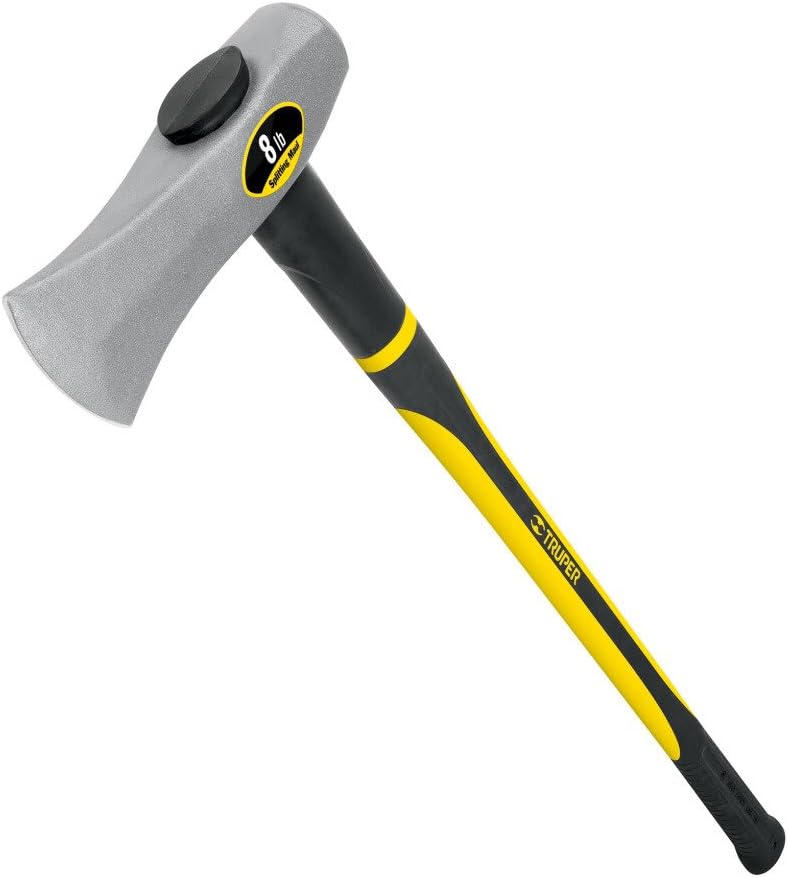 Truper 30958 8-Pound Splitting MaulView on Amazon
When the splitting pile is waiting and the maul comes down all afternoon, fiberglass vs wood handle axe is the choice you feel in your hands by the second cord. The listings describe fiberglass handles that reduce shock, resist weather and hold the head tight: a 10-inch hatchet, a 36-inch splitting axe and a 34-inch replacement handle are the examples below. Wood handles are the traditional pick: when one breaks you fit a new haft, like the 30-inch Truper replacement handle in these listings, and keep swinging. If you split in all weather and want a handle you never think about, fiberglass wins; if you like a handle you can rehang yourself, wood is the classic answer.
More options to compare
 Seymour 100-99 34-Inch Fiberglass Single Bit Curved Grip AxeCheck price on Amazon
 Bush Axe with Fiberglass Handle Brand: Forgecraft USACheck price on Amazon
 Truper 30837 Fiberglass Handle For Sledge HammerCheck price on Amazon
 Seymour 140-99 34-Inch Fiberglass Double Bit Axe HandleCheck price on Amazon
 MAXPOWER 4lb Sledge HammerCheck price on Amazon
 Truper 30958 8-Pound Splitting MaulCheck price on Amazon
FirewoodGearHQ may earn a small commission if you buy through links on this page. The price you pay stays the same. Read our affiliate disclosure.
Fiberglass vs wood handle axe: the short answer
Pick fiberglass for durability and low maintenance. A fiberglass handle resists swelling, shrinking and rot with the weather, the listings claim shock reduction on strikes, and the DESHIL hatchet listing says its head and handle are inseparable. Three of the four listings here use fiberglass.
Pick wood for tradition and repairability. A hickory or ash haft has a feel many splitters prefer, and when it finally gives out, a replacement handle like the 30-inch Truper and an afternoon of fitting put the same head back to work. Note the honest gap in these listings: none of them is a wood-handled axe, only the Truper replacement handle, so the wood side here is represented by the repair part rather than a finished tool.
What fiberglass gives you
The listings agree on the selling points. The DESHIL hatchet pairs a carbon steel head, heat treated, with a fiberglass shock-reduction handle and anti-slip grip, and the head and handle are made as one piece so there is nothing to loosen. The Estwing axe goes further on the spec sheet: a 4 lb forged head hardened to 50-55 HRC on a 36-inch dual injection fiberglass handle made with over 70 percent fiberglass, plus a lanyard hole for hanging. The Seymour replacement handle is a 34-inch fiberglass single bit handle that the listing calls lightweight yet strong, and it ships with an epoxy kit for installation on 3 to 5-pound axe heads.
The practical upshot is a handle that asks nothing of you. No oiling, no swelling in the rain, no shrinking in dry heat, and no wedge working loose mid-season. For an axe that lives in the truck bed or the woodpile through winter, that is the whole argument.
What wood gives you
Wood gives you a handle you can replace. The Truper MG-HM-30 is a 30-inch wood replacement handle for axes, listed as easy to install, and it is the only wood handle in these listings. A wooden haft transmits more feel to the hands, which splitters either love or blame for sore elbows, and when it breaks, the head is usually fine: fit a new handle and the axe is back.
The trade is maintenance and eventual failure. Wood moves with moisture, can crack if stored badly, and every wooden handle is a consumable with a lifespan. Fiberglass fails that way less often, which is why the working axes in these listings all wear it.
Four handle options from the listings
Every pick below comes from the listings we compared, ordered by how completely each listing delivers what it promises. Three wear fiberglass; the fourth is the wood replacement handle.
1. Estwing 4 lb axe, 36-inch fiberglass handle
The listing describes a 4 lb forged axe head, hardened to 50-55 HRC, on a 36-inch dual injection fiberglass handle made with over 70 percent fiberglass, with a lanyard hole for storage. It is listed for cutting, chopping, splitting and shaping wood, at 6.1 pounds overall and 36 inches long by 7.6 inches wide. One oddity: the spec table names Groz as the manufacturer while the title says Estwing; the title is the more prominent claim. No warranty term is stated.
Who it suits: serious splitting and felling work where the stated head hardness and full-length handle matter. The lanyard hole is a small thing you will use every day.
2. DESHIL 10-inch hatchet, fiberglass handle
The listing describes a 10-inch hatchet with a carbon steel head, heat treated, and a fiberglass shock-reduction handle with anti-slip grip, the head and handle made inseparable. It weighs 16 ounces, measures 10 inches long by 4.5 inches wide, and ships with a sheath. The flat back of the head doubles as a hammer for driving, and the listing names kindling and small branches as the use. No warranty term is stated.
Who it suits: kindling, camp chores and one-hand work. The sheath and the inseparable head make it a grab-and-go tool.
3. Seymour 34-inch fiberglass replacement handle
The listing describes a 34-inch fiberglass single bit axe handle with a curved grip, epoxy kit included for installation, sized for 3 to 5-pound axe heads, at 2.3 pounds. Note a contradiction: the spec table lists the length as 36 inches while the title says 34; the title is the more specific claim. No warranty term is stated.
Who it suits: rehanging a good head on a handle that will outlast wood. The included epoxy kit means the installation needs no extra parts.
4. Truper 30-inch wood replacement handle
The listing describes a 30-inch (76 cm) wood replacement handle for axes, listed as easy to install. The spec table is messy, naming the material as wood in one field and alloy steel in another; the title is the clear claim, so read it as a wooden handle. No warranty term is stated.
Who it suits: keeping a favorite head in service with traditional wood. It is a repair part, not a finished axe, so it belongs in the parts box rather than the woodpile.
Axe safety notes
Handle material does not change the safety rules. Keep a clear swing zone with no people, pets or obstructions within range, and check the head for tightness before every session: a loose head on any handle is dangerous. Carry a hatchet in its sheath, like the one the DESHIL includes, and store axes hung by the lanyard hole or head-down where they cannot fall. Split on a stable chopping block at a comfortable height, and stop when you are tired; most misses happen late in the pile.
Frequently Asked Questions
Which handle lasts longer, fiberglass or wood?
Fiberglass, by the listings’ own claims: it does not rot, swell or shrink, and the DESHIL listing states its head and handle are inseparable. Wood handles are consumables that eventually crack or loosen, which is exactly why replacement handles like the Truper exist.
Can I replace a fiberglass handle if it breaks?
The Seymour listing shows the pattern: a 34-inch fiberglass replacement handle with an epoxy kit, sized for 3 to 5-pound heads. Fiberglass handles are replaceable, but the job uses epoxy rather than the traditional wedge fit of wood.
Does fiberglass really reduce vibration?
The DESHIL listing claims a shock-reduction fiberglass handle, and the Estwing listing specifies over 70 percent fiberglass content in its dual injection handle. Treat shock claims as the maker’s description; the material is less lively than steel; whether you feel a difference against wood depends on the swing.
What handle length do I need?
Match the length to the head and the job as the listings do: a 10-inch hatchet for kindling and one-hand work, a 36-inch handle on a 4 lb head for felling and heavy splitting. Replacement handles come in 30 and 34 inches here; fit the length to the head weight, with longer handles for heavier heads.
How do I keep a wood handle in good shape?
Store it dry but not baked, keep it out of standing water, and check the head fit before each use since wood moves with moisture. When the handle gives out, a replacement like the 30-inch Truper and an afternoon of fitting bring the head back.
Related guides
See the axes and mauls hub, our best splitting axe and best splitting maul picks, and the best felling axe roundup.