Who Makes the Best Pellet Grill: Which Brands to Compare
A guide to judging pellet grill makers by controller, hopper, build and support, so the grill you choose matches the cooking you do most.

On this page
Top picks at a glance
As an Amazon Associate I earn from qualifying purchases.
- 1
 Weber® Smoque™ 22‑Inch Pellet Smoker9.6/10View on Amazon
- 2
 Z GRILLS 550B2 Pellet Grill Smoker9.2/10View on Amazon
- 3
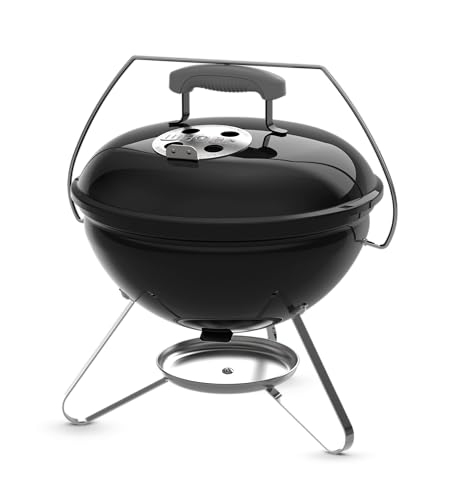 Weber® Smokey Joe 14-Inch Portable Charcoal Grill9.4/10View on Amazon
Fall is the season for stacking wood and getting the yard ready for cold weather, and for many households it is also the season when the grill moves to the center of weekend cooking. A pellet grill fits that rhythm well: it burns wood pellets, holds a steady fire without constant tending, and turns out smoked meat, roasted vegetables and baked dishes from the same box. The question that follows is who makes the best pellet grill, and the honest answer is that no maker wins for every cook. The best maker for you is the maker whose controller, hopper, build and support match the cooking you do most, and this guide shows how to judge each of those in turn.
FirewoodGearHQ earns a small commission if you buy through links on this page. The price you pay stays the same. Read our affiliate disclosure.
The quick answer: who makes the best pellet grill
Start with the cooking, not the badge. A maker earns its place by building a controller that holds temperature steady through a long cook, a hopper and auger that feed pellets without jamming, a body that keeps heat where it belongs, and support that answers when a part wears out. Compare those points across the makers on your shortlist, check that the grill suits the food you cook most, and pick the maker that scores well on the points that matter to your cooking rather than the maker with the loudest name. If you want a grill that also smokes, the best wood fired grill and smoker guide compares combo units.
What sets a pellet grill maker apart
The controller
The controller is the brain of a pellet grill: it reads the fire and feeds pellets to hold the temperature you set. A good controller recovers after the lid opens, steadies the fire in wind and cold, and keeps the temperature from swinging wide while food cooks low and slow. When you compare makers, look at how the controller is described, whether it offers the cooking modes you want, and whether it is simple to adjust without a manual in hand.
The hopper and the auger
Pellets sit in the hopper and ride the auger into the firepot, so the hopper and auger together decide how long a cook can run without a refill and how often the grill needs attention. A hopper that is easy to fill and easy to empty saves mess at the end of a cook, and a cleanout that lets you swap pellet flavor without scooping by hand is worth having. Look for a lid that shuts tight against rain, and ask how the maker handles damp pellets, since wet pellets swell, crumble and jam the auger.
Build and materials
A pellet grill lives outside, so the body, lid, grates and legs take weather, heat and grease every time they cook. Heavy steel holds heat better than thin sheet, a lid that seals well keeps smoke and heat inside, and grates that clean easily make the next cook simpler. Check the welds and joints where the legs meet the body, and look at how the grease is managed, since a grill that drains grease away from the fire is easier to keep clean and safer to run.
Warranty and support
The warranty and the support behind it tell you how much a maker stands behind its grill. Read what the warranty covers and what it leaves out, and look for parts that are easy to order when a fan, igniter or probe wears out. A maker that keeps parts on the shelf and answers questions plainly is worth more than a long warranty from a maker that is hard to reach.
Size and cooking space
Match the grill to the food and the people you cook for. A household that smokes large cuts for gatherings needs room for the meat and air to move around it, while a household that grills weeknight suppers needs far less space. Think about the largest meal you cook on a regular basis and choose a grill that fits it with room to spare, rather than the largest grill on the lot.
How to compare makers step by step
Start by listing the cooking you do most: smoking, roasting, grilling or baking. Then set the features that matter for that cooking, such as a controller that holds low heat steady for smoking or a grill that reaches high heat for searing. Next, compare the makers on your shortlist against those features, reading the warranty and the parts list for each maker. Finally, check the pellet storage and the accessories you will need, and pick the maker that covers your cooking with the fewest gaps.
What to watch out for
- A grill that is hard to clean. Grease and ash build up with every cook, so a grill without a clear path for grease and ash turns cleaning into a chore.
- Pellets left in the rain. Pellets absorb damp and swell, so store them under cover and keep the hopper lid shut between cooks.
- A controller that swings wide. Temperature that rises and falls through a cook gives uneven results, so favor a controller that holds steady.
- Parts that are hard to find. Fans, igniters and probes wear out, so check that spares are easy to order before you buy.
Safety where the grill sits
A pellet grill is an outdoor cooker. Set it away from walls, overhangs and anything that can catch fire, and never run it in a garage, under a tent or inside any enclosed space, since the fire gives off carbon monoxide. Keep a smoke and carbon monoxide alarm nearby in the home, and let the grill cool before you cover it or move it.
FAQ: wood, fire and gear
Who makes the best pellet grill?
No maker holds the title for every cook. The best maker for you is the maker whose controller, hopper, build and support fit the cooking you do most, so compare those points and choose the maker that covers your cooking.
What matters most in a pellet grill?
The controller matters most, since it holds the temperature steady through the cook. After that, look at the hopper and auger, the build of the body and lid, and the support behind the warranty.
Are pellet grills good for smoking?
Yes. A pellet grill burns wood pellets and holds low heat steady, which suits smoking, and the same grill can roast, bake and grill, so it covers a wide range of outdoor cooking.
How do I keep pellets dry?
Store pellets under cover in a dry place, keep the bag sealed between cooks, and shut the hopper lid after every cook.
Do pellet grills need electricity?
Yes. The controller, fan and auger run on household power, so set the grill where a socket is within reach and keep the cable clear of heat and foot traffic.
Can I use a pellet grill in winter?
Yes, with care. Cold air and wind make the grill work harder to hold heat, so shelter it from wind, keep the lid shut, and allow extra time for the grill to reach cooking heat.
More firewood guides
See the wood-fired cooking hub and the pellet grills and smokers pages. Compare fuel types in charcoal grill vs pellet grill and pellet grill vs pellet smoker, and see wood pellet BBQ vs propane for another fuel comparison. For the kit around the grill, see the best pellet grill tools, the best pellet grill cover for winter and the best small pellet grill.