Ceramic vs Oil-filled Space Heater: Which One Should You Buy?
Ceramic vs oil-filled space heater: how the two types heat, what the four oil-filled radiators in this guide offer, and which room each suits.

On this page
Top picks at a glance
As an Amazon Associate I earn from qualifying purchases.
- 1
 Amazon Basics Portable Oil Space Heater with 7 Oil-Filled Fins9.5/10View on Amazon
- 2
 Sweetcrispy Oil Filled Radiator Heater for Indoor Use 1500W9.4/10View on Amazon
- 3
 Sweetcrispy Oil Filled Radiator Heater for Indoor Use 1500W9.3/10View on Amazon
- 4
 LifePlus Oil Filled Heater Portable Radiant Space Heater withView on Amazon
- 5
 COMFORT ZONE 1500W Digital Oil-Filled Radiator Heater withView on Amazon
- 6
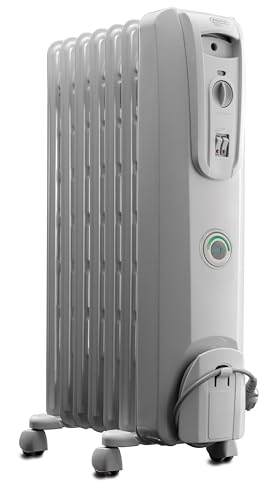 De'Longhi Oil filled Radiator HeaterView on Amazon
- 7
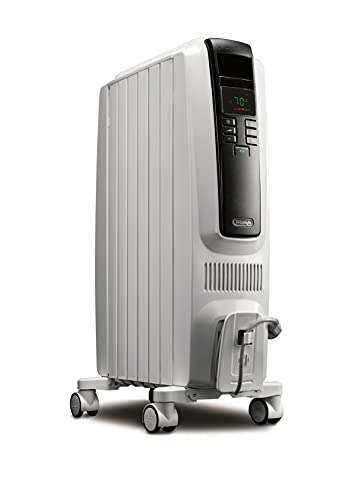 De'Longhi Dragon Digital Oil Filled Radiator HeaterView on Amazon
- 8
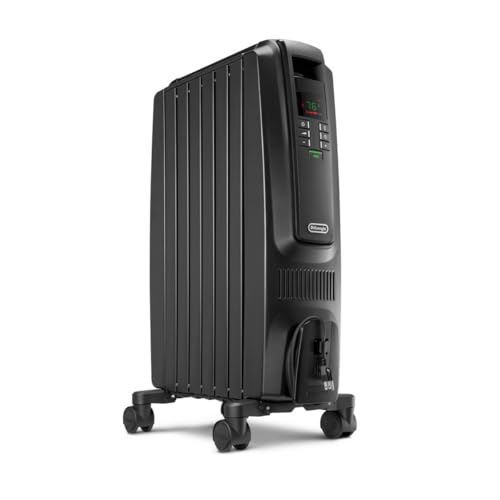 DeLonghi Dragon Digital Oil Filled Radiator HeaterView on Amazon
- 9
 Oil Filled Radiator HeaterView on Amazon
When the stack is full and the stove is lit for the season, the question turns to the cold corners of the house, and that is where the ceramic vs oil-filled space heater question comes up. A fan-driven ceramic heater warms the air fast, while an oil-filled radiator warms steadily and silently with no fan at all. All four heaters in this guide are oil-filled radiators, so no ceramic model is listed here, and the answer below is built from what those four listings state: choose oil-filled for quiet, steady heat in a room you sit in for hours, and ceramic when you want fast warmth in short bursts.
More options to weigh up
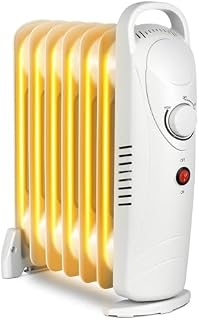 LifePlus Oil Filled Heater Portable Radiant Space Heater withCheck price on Amazon
 COMFORT ZONE 1500W Digital Oil-Filled Radiator Heater withCheck price on Amazon
 De'Longhi Oil filled Radiator HeaterCheck price on Amazon
 De'Longhi Dragon Digital Oil Filled Radiator HeaterCheck price on Amazon
 DeLonghi Dragon Digital Oil Filled Radiator HeaterCheck price on Amazon
 Oil Filled Radiator HeaterCheck price on Amazon
FirewoodGearHQ earns a small commission if you buy through links on this page. The price you pay stays the same. Read our affiliate disclosure.
The quick answer
Pick ceramic when you want a room to feel warmer quickly. A fan-driven ceramic heater blows warm air into the room, so the heat reaches you fast. Pick oil-filled when you want steady heat with no noise. An oil-filled radiator warms oil sealed in its fins and gives off heat without a fan, so it runs silently and holds a steady temperature once the room is warm. For a bedroom or an office where you sit for hours, the oil-filled side is the easier choice. For a cold room you step into for a short while, the ceramic side is the faster one.
How each type heats
Ceramic: fast heat, usually fan-driven
A fan-driven ceramic heater passes air over hot ceramic plates and blows it into the room. The warmth arrives quickly, which suits a room that starts cold and needs heat right away. The fan is the trade-off: it makes noise while it runs, and the warmth fades faster after the heater switches off, because a fan heater has no large body of hot oil holding heat the way an oil-filled radiator does.
Oil-filled: slow, steady, silent heat
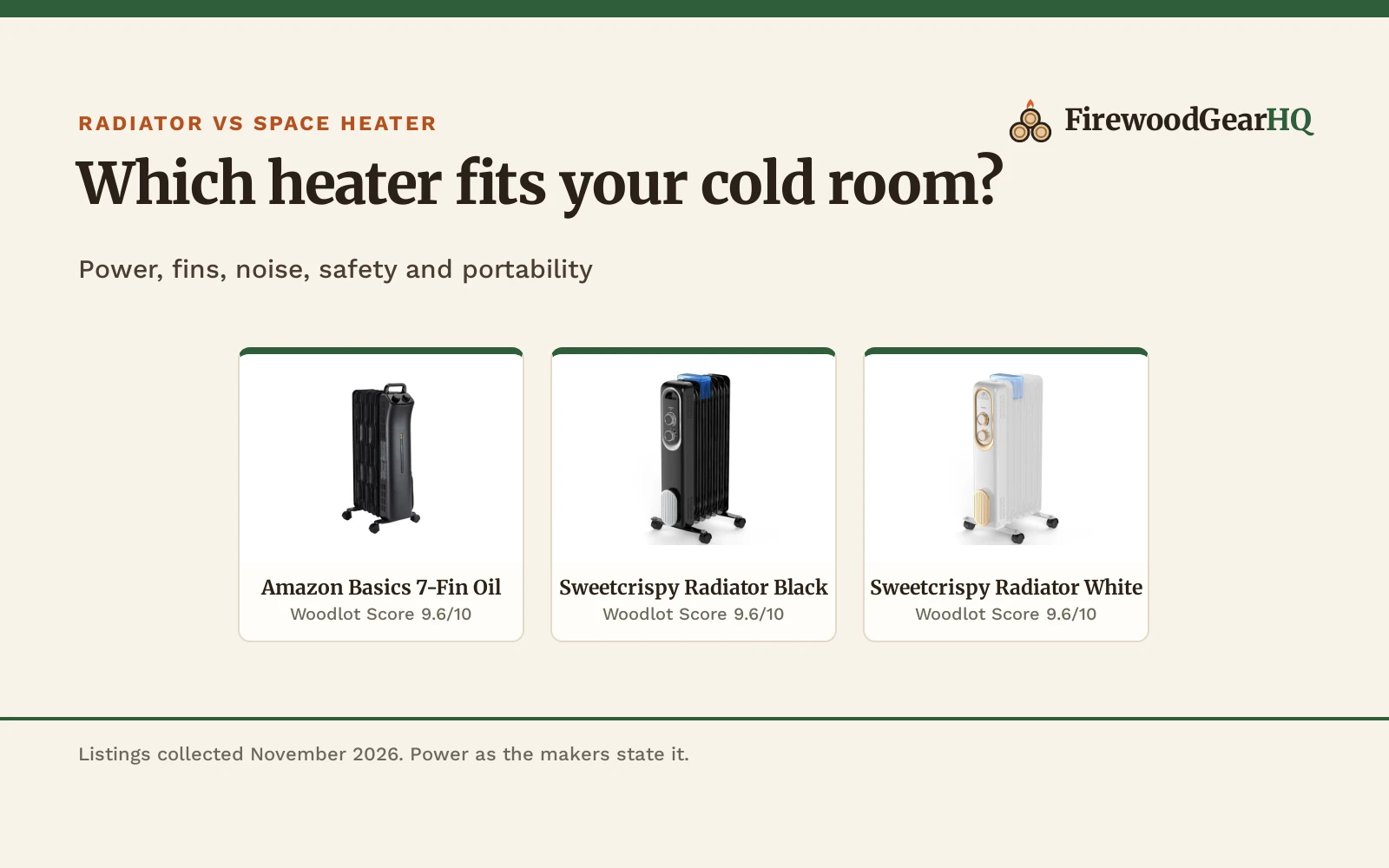
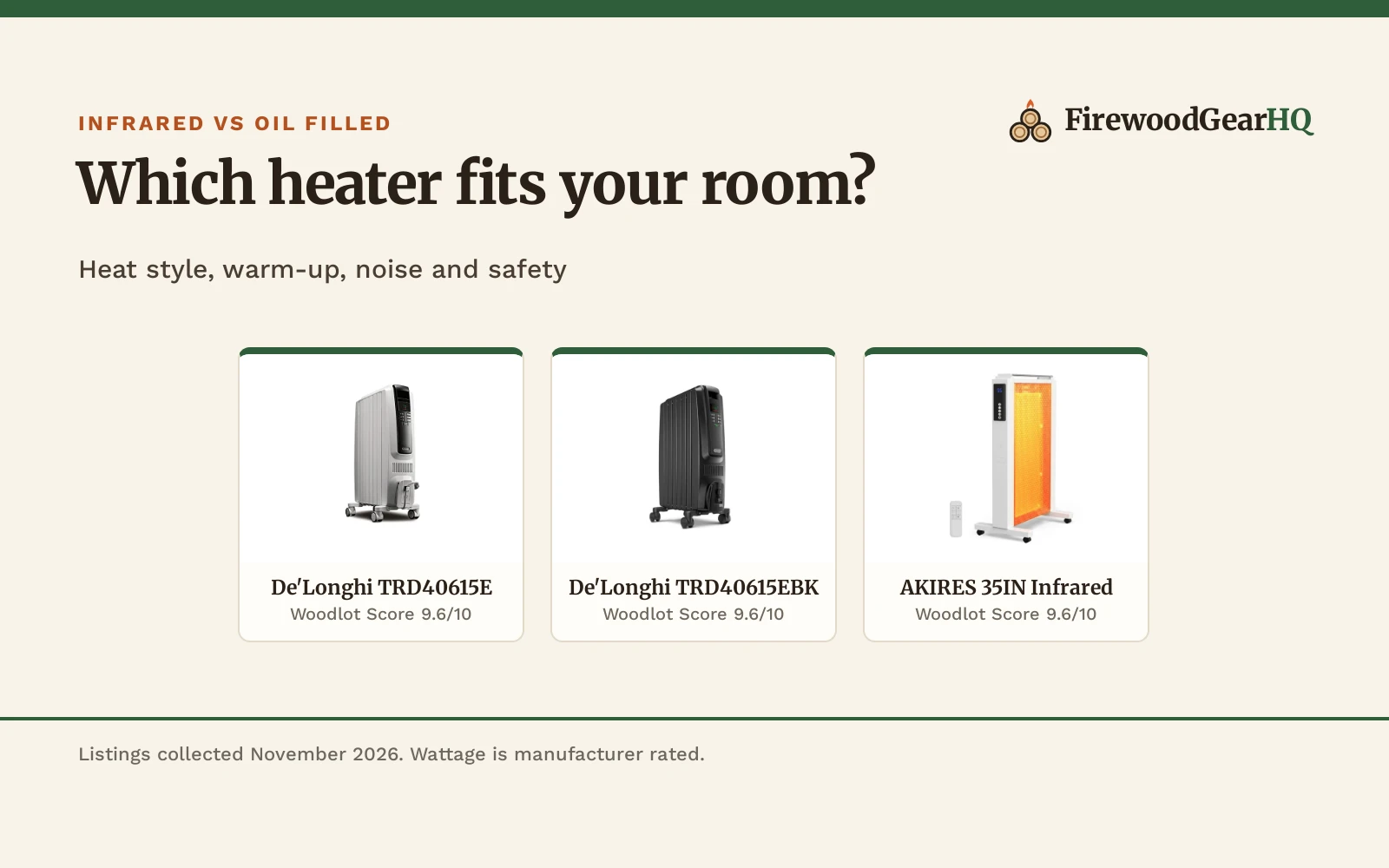
An oil-filled radiator heats oil sealed inside its fins, and the fins give off steady radiant heat. There is no fan and no wind, so all four listings here describe quiet running: the Pelonis promises pure silence once heating is stable, the COSTWAY works without fans or wind, the NEWBULIG runs in complete silence, and the LifePlus works quietly. The heat builds more slowly than a fan heater, but it stays even once the room is warm.
The gear: four oil-filled radiators
The four radiators below are listed strongest first. Each one is an oil-filled radiator, and the table shows the watts, modes, weight and safety features each listing states.
| Heater | Watts | Modes | Weight | Safety |
|---|---|---|---|---|
| Pelonis Oil Filled Radiator | 1500W | 600W, 900W, 1500W | 16.53 pounds | Tip-over and overheat protection, ETL |
| NEWBULIG Oil Filled Radiator | 1500W | 600W, 900W, 1500W | 13.0734 pounds | Tip-over shutoff and overheat protection |
| COSTWAY Oil Filled Radiator | 700W | Not stated | 8.6 pounds | Tip-over and overheat protection, ETL |
| LifePlus Oil Filled Heater | 700W | Not stated | 8.0 pounds | Overheat safety |
The Pelonis runs at 1500W, the highest wattage here, shared with the NEWBULIG. It runs at 1500W with three modes at 600W, 900W and 1500W, an adjustable thermostat and 7 fins, and it rolls on smooth caster wheels. Tip-over and overheat protection are built in, and every critical component, including the plug and cord, meets ETL safety standards. It weighs 16.53 pounds and measures 13.8 by 11.0 by 25.2 inches.
The NEWBULIG matches the Pelonis on power, with 1500W and the same three modes, plus an adjustable thermostat and a built-in water tank for humidification. The listing says it covers rooms up to about 161 sq ft. It has tip-over shutoff and overheat protection, four reinforced casters and a front carry handle, and it weighs 13.0734 pounds.
The COSTWAY is the smaller 700W pick, with 7 fins and diathermic oil that needs no refilling. The thermostat adjusts from 32 to 194 degrees and switches the heater off when the room reaches the set temperature. Overheat and tip-over protection are built in, with ETL certification, and it weighs 8.6 pounds.
The LifePlus is the lightest pick at 8.0 pounds, with a handle and a compact build for a small room. Its oil tank is permanently sealed, so it never needs refilling, and it shuts down automatically if the inside gets too hot. The listing notes it runs at 700W only, so it might not heat an entire room properly, and it suits a spot close to where you sit.
Ceramic vs oil-filled space heater: how to choose
Match the heater to the room
For a bedroom or an office, quiet steady heat matters most, and the oil-filled listings here are built for that. For a room you heat for a short spell, fast fan heat matters more. The NEWBULIG listing says its radiator covers rooms up to about 161 sq ft, while the LifePlus listing warns that 700W might not heat an entire room. Measure the room before you buy, and match the watts to the space. See the best ceramic space heaters and the best oil-filled heaters for more picks on each side.
Noise and sleep
If the heater runs while you sleep, noise decides it. All four oil-filled listings describe silent running with no fan. A fan-driven ceramic heater has a fan, so it hums while it works, and the hum is the price of the faster heat.
Moving it around
Oil-filled radiators vary in weight. The Pelonis weighs 16.53 pounds and the NEWBULIG weighs 13.0734 pounds, though both roll on casters. The 700W models are lighter, at 8.6 pounds for the COSTWAY and 8.0 pounds for the LifePlus, and both have handles. If the heater moves between rooms every day, weight and wheels matter as much as watts.
Safety features to check
Every oil-filled listing here names overheat protection, and all but the LifePlus name tip-over protection too. The Pelonis and the COSTWAY also carry ETL certification. Keep the heater 3 feet clear of anything that burns, plug it straight into the wall, and keep smoke and CO alarms in the house.
FAQ: wood, fire and gear
Which heats a room faster, ceramic or oil-filled?
Ceramic. A fan-driven ceramic heater blows warm air into the room, so the warmth arrives quickly. An oil-filled radiator builds heat slowly through its fins, so it takes longer to warm a cold room but holds a steadier temperature once it is warm.
Is an oil-filled radiator quiet?
Yes, by the listings. All four oil-filled radiators here describe quiet running with no fan: the Pelonis promises pure silence once heating is stable, the COSTWAY works without fans or wind, the NEWBULIG runs in complete silence, and the LifePlus works quietly.
Do oil-filled radiators need refilling?
Not the ones listed here. The LifePlus oil tank is permanently sealed and never needs refilling, and the COSTWAY uses diathermic oil that needs no refilling.
What wattage do these oil-filled heaters use?
The Pelonis and the NEWBULIG run at 1500W with three modes at 600W, 900W and 1500W. The COSTWAY and the LifePlus run at 700W only.
Can an oil-filled radiator heat a large room?
It depends on the watts. The NEWBULIG listing says its 1500W radiator covers rooms up to about 161 sq ft. The LifePlus listing warns that its 700W heater might not heat an entire room properly, so a larger room needs the higher wattage.
Are these heaters safe to leave running?
Each listing names overheat protection, and all but the LifePlus name tip-over protection too. Keep the heater 3 feet clear of anything that burns, plug it straight into the wall, and keep smoke and CO alarms in the house.
More firewood guides
See the indoor heating hub and the best indoor heaters. Compare the two electric types in the electric space heater vs oil-filled radiator guide, and radiant against convection in the radiant vs convection space heater guide.