Chimney Brush vs Cleaning Rods: Which One Should You Buy?
A chimney brush scrubs the flue and cleaning rods push it; buy both, match the brush to your flue, and check the 1/4 inch threads.

On this page
Top picks at a glance
As an Amazon Associate we earn from qualifying purchases.
- 1
 AMAGABELI Garden & Home 5 Pcs Fireplace Tools Brass Handles9.7/10View on Amazon
- 2
 Teenyyou Chimney Cleaning Brush with 1/4 Npt Fitting 12 Rods9.7/10View on Amazon
- 3
 Sealegend 30FT Chimney Sweep Kit Rotary Flexible Cleaning9.6/10View on Amazon
- 4
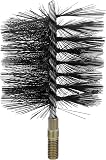 RattanView 4 Inch Round Chimney Wire BrushView on Amazon
- 5
 36ft Total Fiberglass Chimney Cleaning Rods for 1/4" NPT BrushView on Amazon
- 6
 Midwest Hearth Pellet Stove Cleaning RodsView on Amazon
- 7
 Rutland Products 16906 6-Inch Poly Chimney Cleaning BrushView on Amazon
- 8
 Stanbroil 6 Inch Round Chimney Cleaning Brush with 1/4" NPTView on Amazon
- 9
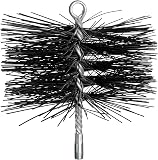 Stanbroil 8 Inch Round Chimney Cleaning Brush with 1/4" NPTView on Amazon
Chimney brush vs cleaning rods is not really a choice: the brush is the head that scrubs soot and buildup off the flue walls, and the rods are the screw-together lengths that push the brush up the chimney. You buy both, and the three listings here make that explicit: the brushes fit 1/4 inch rod kits that are sold separately.
More options to compare
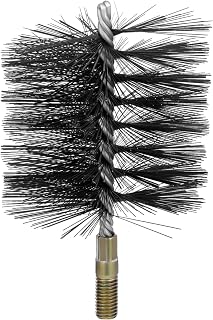 RattanView 4 Inch Round Chimney Wire BrushCheck price on Amazon
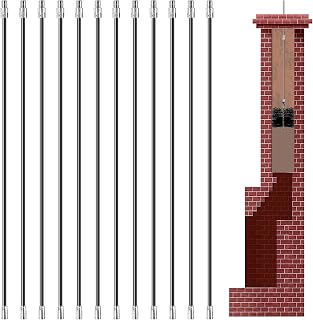 36ft Total Fiberglass Chimney Cleaning Rods for 1/4" NPT BrushCheck price on Amazon
 Midwest Hearth Pellet Stove Cleaning RodsCheck price on Amazon
 Rutland Products 16906 6-Inch Poly Chimney Cleaning BrushCheck price on Amazon
 Stanbroil 6 Inch Round Chimney Cleaning Brush with 1/4" NPTCheck price on Amazon
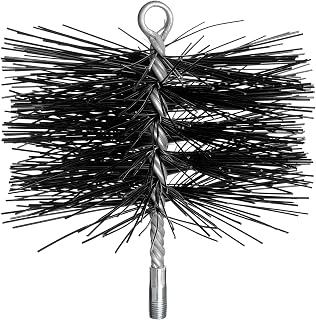 Stanbroil 8 Inch Round Chimney Cleaning Brush with 1/4" NPTCheck price on Amazon
FirewoodGearHQ may earn a small commission if you buy through links on this page. The price you pay stays the same. Read our affiliate disclosure.
Chimney brush vs cleaning rods: the quick answer
A chimney brush does the cleaning and cleaning rods do the pushing. The brush screws onto the first rod, you add rods as the brush climbs, and the stiff bristles scrape soot and buildup from the flue. Buy the brush sized to your flue and a rod kit with matching 1/4 inch threads; the three brushes below all use 1/4 inch rod threads.
What each tool does
The brush is the working end. These three are wire brushes: the Midwest Hearth brushes use tempered steel bristles that the listing says clean coal and soot from masonry flues and chimneys, and the Rutland uses oil tempered spring wire to clean out soot, creosote and any other buildup. The bristles do the scrubbing.
The rods are the delivery system. Midwest Hearth fits its brushes to 1/4 inch NPSM fittings for use with fiberglass rod kits, sold separately. The Rutland fits all Rutland 1/4 inch NPT rods (items 10624, 10672 and KRK-18). The rods screw together so you can run the brush the full height of the flue from the roof or from the fireplace, depending on the setup. Both brands’ listings name fiberglass as the rod material.
Neither tool works alone. A brush without rods cannot reach far up the flue, and rods without a brush push nothing against the walls. The listings treat them as a pair: Midwest Hearth sells the brushes and the fiberglass rod kits as separate purchases, and Rutland names the rod items that fit its brush. Budget for both before you start.
What the listings say about the rods
The two Midwest Hearth listings both describe their brushes as fitting 1/4 inch NPSM fittings for use with fiberglass rod kits, sold separately. Fiberglass is the rod material both brands name: the Rutland’s handle material is also fiberglass. A fiberglass rod set screws together in sections, so you start with the brush on the first rod and add sections as the brush climbs.
Stay brand-consistent where you can. The Rutland listing names three rod items that fit its brush: 10624, 10672 and KRK-18. The Midwest Hearth listings name their own fiberglass rod kits. Mixing brands works only if the threads match: 1/4 inch NPSM on the Midwest Hearth brushes against 1/4 inch NPT on the Rutland. The listings do not say those two thread standards are interchangeable, so do not assume it. If you already own a rod kit, buy the brush whose threads match what you own; if you are starting from zero, buy the brush and the rods from the same maker.
Gear section: three brushes that fit standard rods
Ranked by warranty and build: the Rutland 11 x 7 rectangular brush leads because it is the only one with a stated warranty, eighteen months against defects in material and manufacture. It is an 11 x 7 in rectangular wire brush for masonry or tile chimneys, made with sturdy oil tempered spring wire, weighing 1.6 ounces with 1/4 inch NPT male threading, model 16532. The listing says to match the brush size to the inside measurements of your flue, and it is designed for the do-it-yourself homeowner.
Second is the Midwest Hearth 7-inch square brush: tempered steel bristles, a galvanized double-spiral steel stem and 1/4 inch NPSM fittings for fiberglass rod kits, 7 x 7 x 7 in and 16 ounces, made in the USA with manual sweeping only. Third is the Midwest Hearth 6 x 10 rectangle brush with the same tempered steel bristles and galvanized double-spiral stem, 10 x 6 in, model MH 36531I. Both Midwest Hearth listings mark masonry flues as recommended and give no data for metal flues.
How to match a brush to your flue
Measure the inside of the flue first, then pick the brush shape that matches: square flues take square brushes, rectangular flues take rectangular ones. The Rutland listing says it plainly: match the brush size to the inside measurements of your flue for best results. An oversized brush jams; an undersized one leaves creosote behind.
Check the surface too. All three brushes here are wire brushes for masonry chimneys, and the Rutland listing also names tile; the Midwest Hearth listings give no data for metal flues, so do not assume they suit one. Then check the thread: 1/4 inch NPSM on the Midwest Hearth brushes, 1/4 inch NPT on the Rutland, matched to rods with the same threads. A thread mismatch cross-threads the connection and can strand the brush in the flue.
Finally, check the weight you will be pushing. The Rutland weighs 1.6 ounces and the Midwest Hearth 7-inch square weighs 16 ounces; the lighter brush is easier to run up a tall flue. For a single-story flue either works; for a tall two-story chimney, the lighter brush saves your arms.
Install stoves and inserts to the manufacturer's instructions and your local code, usually by a certified installer with a permit and inspection. Keep the listed clearances to combustibles, run working smoke and carbon monoxide detectors, have the chimney inspected and cleaned every year to prevent creosote fires, burn only seasoned wood, and check local burn rules. See EPA Burn Wise, NFPA heating safety, CPSC carbon monoxide guidance and the Chimney Safety Institute of America (CSIA). Read our Safety Disclaimer.
Frequently Asked Questions
Do I need rods if I buy a brush?
Yes. The brushes are sold as heads only: the Midwest Hearth listings say the brushes fit fiberglass rod kits sold separately, and the Rutland fits Rutland 1/4 inch NPT rods. Buy the brush and a rod kit with matching threads.
What size brush does my flue need?
Match the brush to the inside measurements of your flue, per the Rutland listing. The three brushes here are 7-inch square, 6 x 10 rectangle and 11 x 7 rectangle, for masonry flues (the Rutland listing also names tile).
Can I use a wire brush on a metal flue?
These three brushes are listed for masonry chimneys, and the Rutland listing also names tile; the Midwest Hearth listings give no data for metal flues. Use only a brush the listing recommends for your flue type.
How often should I clean my chimney?
Get an annual chimney inspection, per stove safety practice, and sweep when creosote builds up. These brushes are for manual sweeping only, per the Midwest Hearth listings.
Are these brushes for DIY or professionals?
Both. The Rutland is designed for the do-it-yourself homeowner to make chimney cleaning easy, and the Midwest Hearth brushes are professional-quality components for manual sweeping.
Related guides
See the best chimney cap for a rainy climate, the best chimney liner kit, the best chimney liner kit for a wood stove and the best fireplace poker for a large fireplace.