Crosscut Saw vs Chainsaw: Which One Should You Buy?
Crosscut saw vs chainsaw: when hand power wins, when an engine wins, and two 14-inch hand saws scored on their stated specs.

On this page
Top picks at a glance
As an Amazon Associate we earn from qualifying purchases.
- 1
 Husqvarna 460 Rancher Gas Powered Chainsaw9.7/10View on Amazon
- 2
 Greenworks 40V 16" Brushless Cordless Chainsaw9.7/10View on Amazon
- 3
 EGO POWER+ Chain Saw9.7/10View on Amazon
- 4
 HAUTMEC 14 Inch Hand Saw for Wood CuttingView on Amazon
- 5
 Lynx 3' One Man Crosscut Saw Brand: LynxView on Amazon
- 6
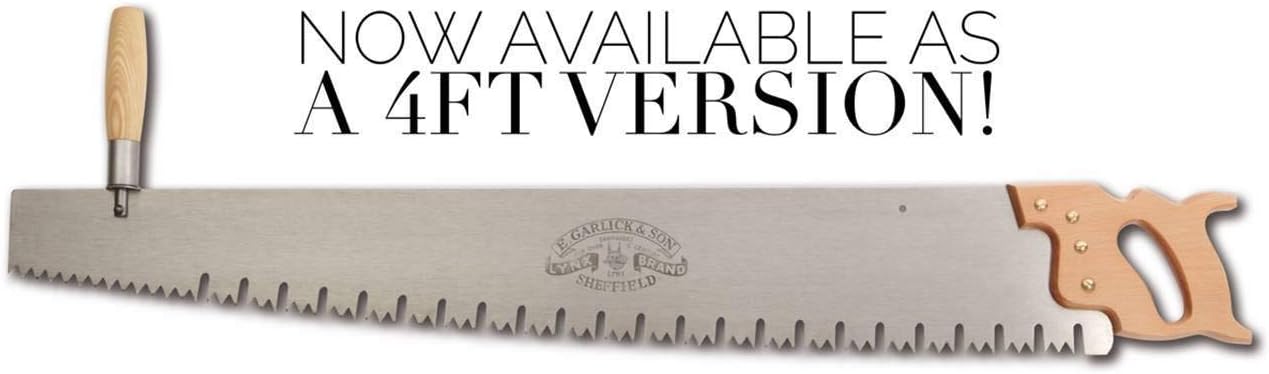 Lynx 4' One Man Crosscut SawView on Amazon
- 7
 Lynx 3 footView on Amazon
Crosscut saw vs chainsaw is a choice between your arms and an engine. A crosscut hand saw stays quiet, needs no fuel and suits trimming, pruning and cutting a few boards or small logs. A chainsaw does the same job with engine or battery power, and suits bucking cordwood and felling. Both picks in this guide are 14-inch crosscut hand saws, so the gear section below shows the hand-saw side in detail, and the chainsaw side is framed around what the choice involves.
More options to compare
 HAUTMEC 14 Inch Hand Saw for Wood CuttingCheck price on Amazon
 Lynx 3' One Man Crosscut Saw Brand: LynxCheck price on Amazon
 Lynx 4' One Man Crosscut SawCheck price on Amazon
 Lynx 3 footCheck price on Amazon
FirewoodGearHQ may earn a small commission if you buy through links on this page. The price you pay stays the same. Read our affiliate disclosure.
Crosscut saw vs chainsaw: the quick answer
Pick the crosscut hand saw when the work is small, close to the house and occasional: trimming branches, cutting boards, plywood, PVC pipe and drywall, which both listings name as uses. Pick the chainsaw when the work is volume: bucking rounds for the stove, felling trees and cutting cords of firewood, where hand power would take all day. The two hand saws below are the crosscut side of that choice, both 14 inches with 11 TPI teeth and 65Mn steel blades.
When a hand saw wins
A hand saw wins on simplicity and control. The QYQRQF states a 14-inch blade at 0.9 mm thick with 11 TPI fine-cut teeth, a heat-treated 65Mn steel blade with a low-friction coating, and a soft ergonomic TPR handle, at a stated 343 g. The HAUTMEC states a 14-inch blade at 1.0 mm thick with triple-ground 11 TPI teeth, high-carbon 65Mn steel with a protective coating against rust, and an ABS handle with soft TPR rubber, at a stated 13 ounces. The QYQRQF states push-and-pull cutting, and its listing says its three cutting surfaces cut up to 50 percent faster than traditional handsaws, with deep gullets for chip removal. Neither listing states a powered option; both are hand power only.
When a chainsaw wins
A chainsaw wins when the rounds get big and the pile gets long. Neither listing here is a chainsaw, so the listings do not name engine figures, but the comparison is about workload: a hand saw cuts one stroke at a time, while a powered saw keeps cutting as long as you feed it. If your woodpile means bucking rounds all weekend, read the best battery chainsaw for homeowners guide; if it means trimming branches and cutting boards, the two hand saws below are the right weight class. Keep a sharp chain in mind either way: the best chainsaw chain for green wood guide covers the cutting end.
How to read a hand saw listing
Start with the blade. Both saws here state 14-inch blades in 65Mn steel with 11 TPI teeth, but the details split: the HAUTMEC states a 1.0 mm blade and says the thickness resists bending for straighter cuts, while the QYQRQF states a 0.9 mm blade. The HAUTMEC’s teeth are triple-ground, which the listing says leaves cleaner cuts with less tearing; the QYQRQF lists hardpoint teeth with deep gullets for chip removal and three cutting surfaces it says cut up to 50 percent faster than traditional handsaws, cutting on push and pull strokes.
Then check the steel treatment and coating. The HAUTMEC lists high-carbon 65Mn with a protective coating against rust; the QYQRQF lists heat-treated 65Mn with a low-friction coating. Handles differ too: the QYQRQF has a soft ergonomic TPR handle stated as non-slip, while the HAUTMEC pairs an ABS handle with soft TPR rubber and says the design helps reduce hand fatigue on long cuts.
Weight and storage round out the check. The QYQRQF lists 343 g; the HAUTMEC lists 13 ounces. For storage, the HAUTMEC includes a blade cover, and the QYQRQF ships with plastic protection on the teeth plus a hard paper sleeve. On warranty, only the HAUTMEC states a term: a 1 Years warranty type in its spec table, against no stated warranty figure for the QYQRQF. The HAUTMEC spec table also states a 90-degree cutting angle, and both listings state a rectangular blade shape, so match the stated uses to your work: the QYQRQF names wallboard and the HAUTMEC names tree branches.
The gear we scored, in order
Each pick below is ranked by what its listing states: stated blade, stated teeth, stated handle, stated weight and stated warranty.
1. HAUTMEC 14 Inch Hand Saw
The thickest stated blade here: 1.0 mm high-carbon 65Mn steel with triple-ground 11 TPI teeth that the listing says cut quickly and smoothly with less tearing. The ABS handle with soft TPR rubber is stated to reduce hand fatigue, and the listing includes a blade cover for safer storage. The spec table states a 1 Years warranty type, the only stated warranty of the two. The listed weight is 13 ounces. The 350 mm (14-inch) size is stated as practical for woodworking, home improvement, furniture and garden tasks, and the listing names lumber, boards, skirting boards, laminate flooring and panels among its uses.
2. QYQRQF 14 in. Pro Hand Saw
The lighter stated build at 343 g, with a 0.9 mm heat-treated 65Mn steel blade, 11 TPI fine-cut teeth and a low-friction coating. The listing says three cutting surfaces cut up to 50 percent faster than traditional handsaws, with deep gullets for rapid chip removal and hardpoint teeth. The soft ergonomic TPR handle is non-slip, and the blade ships with plastic protection on the teeth and a hard paper sleeve. The listing states no warranty figure. The listing names framers, general contractors and woodworkers as the intended users, with wood, plastic pipe, plywood and wallboard as the stated materials.
Wear cut-resistant chaps, a helmet with face screen and hearing protection, gloves and sturdy boots. Know where the kickback zone is (the upper tip of the bar), keep the chain brake working and the chain sharp, and never cut alone in the woods. Felling trees is hazardous work: hire a professional for large, leaning or storm-damaged trees, especially near buildings or power lines. See OSHA logging safety for chain saw operators. Read our Safety Disclaimer.
Around the Woodpile
A 14-inch hand saw lives in the truck bed or the woodshed for the cuts a chainsaw is overkill for: a branch in the way, a board to trim, a PVC pipe to cut. Keep the blade cover on the HAUTMEC between uses, keep the paper sleeve on the QYQRQF, and let the chainsaw handle the cords. Browse the chainsaws hub and the chainsaw gear hub when the pile outgrows hand power.
Frequently Asked Questions
What does 11 TPI mean?
Teeth per inch: both listings state 11 TPI fine teeth. The HAUTMEC listing says its triple-ground teeth leave cleaner cuts with less tearing.
Which saw states the thicker blade?
The HAUTMEC states a 1.0 mm blade; the QYQRQF states a 0.9 mm blade. The HAUTMEC listing says its thickness helps resist bending for straighter cuts.
Which saw states a warranty?
The HAUTMEC spec table states a 1 Years warranty type. The QYQRQF listing states no warranty figure.
Can these saws cut drywall and PVC?
The QYQRQF listing names wood, plastic pipe, plywood and wallboard; the HAUTMEC listing names wood, PVC pipe, plastic, tree branches and plywood.
Related guides
See the chainsaws hub, the best battery chainsaw for homeowners and the best chainsaw chain for green wood.